






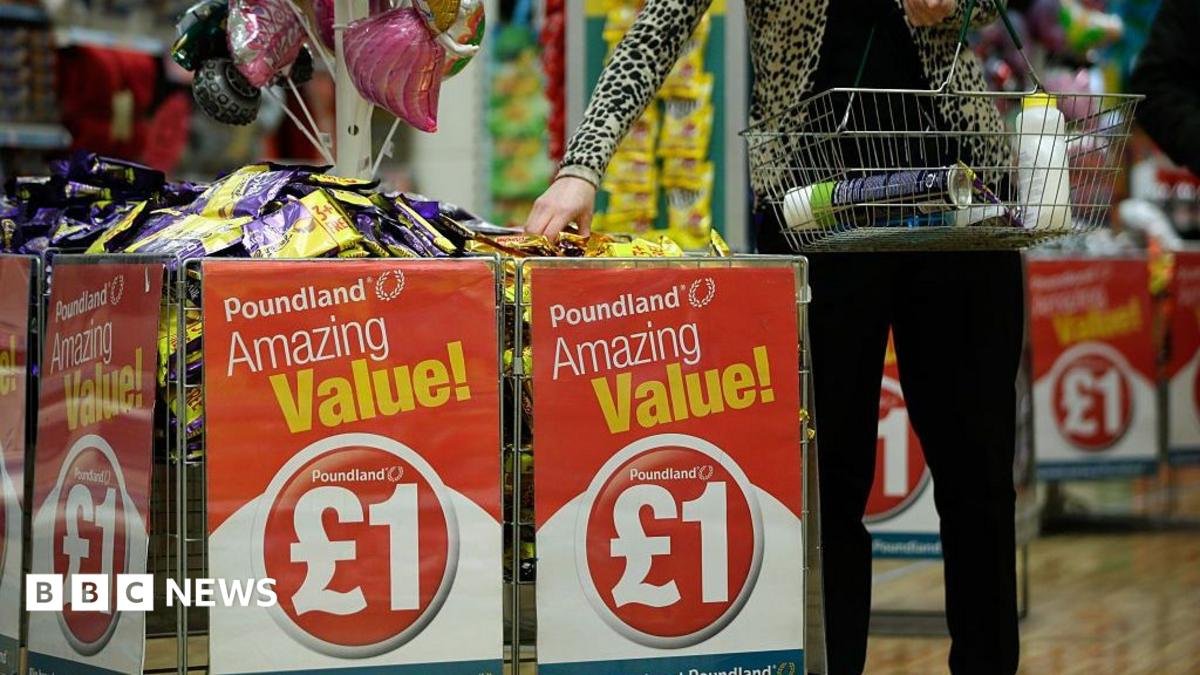
The future of the high street retailer Poundland hangs in the balance today following a bitter war of words over the company’s sudden collapse into administration. While management claims the chain was on the verge of a successful turnaround, its owner, the US investment firm Gordon Brothers, has defended the decision to pull vital funding, labeling the business fundamentally unviable.
The situation has sparked outrage among union representatives and lawmakers. The Usdaw union, which represents thousands of shopworkers now facing an uncertain future, has accused Gordon Brothers of forcing the company into administration. Labour MP Antonia Bance voiced her stark disapproval, stating she was “pretty appalled” by the investment firm’s conduct in recent weeks. Bance alleged that the firm stands to extract significantly higher profits by dismantling and selling off the business piece by piece than by investing in its long-term survival.
Poundland’s management tells a different story. Managing Director Barry Williams recently highlighted a “strong recovery,” pointing to data that showed the chain had recorded a profit in the first nine months of this year. According to this view, the business was finally turning a corner before Gordon Brothers abruptly cut off the funding required for day-to-day operational expenses, specifically the purchasing of stock.
However, Gordon Brothers has hit back, asserting that the retailer’s profitability was merely an accounting illusion. A spokeswoman for the firm argued that while management had successfully implemented £100m in cost reductions, the business had only shifted from a £70m loss to a state of “around break-even.”
“Break-even is different from generating the cash needed to buy stock, invest, and withstand increasing economic pressures,” the spokeswoman said, adding that “a few good weeks do not make a turnaround.” The firm emphasized that Poundland had consistently missed budget targets throughout the year. Looking ahead, Gordon Brothers cited rising inflation and mounting operational costs as the primary drivers behind their belief that the business would have become unsustainable by next year.
Industry experts appear inclined to side with the investment firm’s grim assessment. Julie Palmer, managing partner at the insolvency agency Begbies Traynor, noted that given the current climate, the retailer’s collapse “seemed somehow inevitable.” She highlighted the punishing landscape for modern retailers, noting that soaring costs—particularly the rising expense of employing staff—have created a volatile environment where even long-standing brands struggle to keep their heads above water.
As stakeholders trade blame, the human cost of the dispute remains the primary concern. With the supply of stock halted and administration proceedings underway, thousands of employees are left to navigate the fallout of a corporate disagreement that pits claims of “artificial” failure against accusations of “predatory” insolvency tactics.
Disclaimer: This content is auto-generated for informational purposes only.
Source: Read Original News