









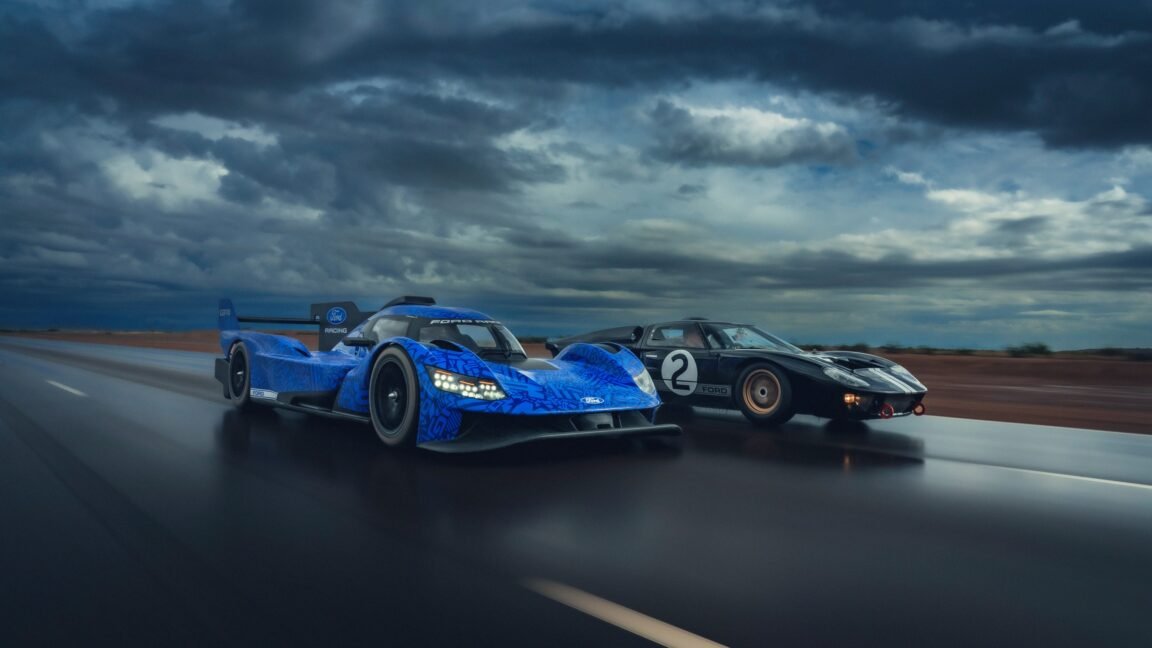
The Architecture of the Ford GT41 Hybrid Powertrain
The automotive landscape is witnessing a significant shift as Ford unveils the GT41, a vehicle engineered to bridge the gap between high-performance road vehicles and elite endurance racing. At the heart of this machine lies a sophisticated hybrid system designed for both endurance and raw output. Unlike previous racing efforts that relied heavily on forced induction or traditional naturally aspirated layouts, the GT41 utilizes a 5.4-liter V8 engine based on the architecture of the Mustang’s Coyote platform. This foundation provides a familiar yet highly evolved starting point, allowing engineers to leverage a reliable power delivery system that has already demonstrated its effectiveness in the competitive Ford Mustang GT3.
The integration of the hybrid system is managed through proprietary software developed specifically by Ford to oversee the interaction between the internal combustion engine and electric assistance. This control unit is responsible for optimizing the deployment of torque, ensuring that the transition between electric power and the V8 is seamless. By standardizing the transmission and hybrid components, the design team has focused on stability, a critical factor for races that last for 24 hours or longer. The use of the Coyote-derived V8 demonstrates a strategic choice to balance technical complexity with the proven durability of a production-based engine design.
Aerodynamic Design and Regulatory Freedom
Modern racing regulations have undergone a transformation, particularly regarding the balance between aerodynamic performance and visual identity. The technical rules governing this class of vehicle set strict caps on both the absolute amount of downforce and the minimum drag coefficients. This regulatory environment is intentional, as it forces original equipment manufacturers (OEMs) to shift their focus away from pure aerodynamic efficiency at any cost and toward integrating aesthetic elements that reflect their road-going products.
For the Ford GT41, this has resulted in a chassis that bears specific styling cues taken directly from Ford’s consumer vehicle lineup. The design philosophy encourages a visual connection that was previously rare in prototype racing. Observers may notice similarities to other contemporary contenders in the Hypercar class, such as the Ferrari 499p or the Genesis LMDh project. These design choices are not merely cosmetic; they are carefully sculpted to work within the mandatory downforce windows, ensuring that the car remains competitive on the track while maintaining a distinct brand identity that resonates with fans and enthusiasts alike.
Strategic Competition and Global Racing Outlook
Despite its pedigree as an American automotive icon, Ford has opted for a focused approach to its racing debut for the GT41. The team has confirmed that there are currently no plans to participate in the IMSA WeatherTech SportsCar Championship. Instead, the vehicle is being groomed for the international stage. The GT41 is scheduled to make its inaugural appearance at the starting line in Qatar this coming March, marking the beginning of the World Endurance Championship (WEC) season. This decision highlights a global priority, aiming to establish the GT41’s reputation in the multi-continental WEC circuit rather than the North American domestic series.
The field that the GT41 will enter is arguably the most competitive it has been in decades. The WEC has attracted a diverse roster of manufacturers, creating a technical arms race that spans different engine philosophies and hybrid implementations. While notable names such as Peugeot and Alpine will be absent from the upcoming season, the level of talent and investment from manufacturers like Aston Martin, BMW, Cadillac, Genesis, Ferrari, and Toyota ensures that the grid remains densely packed with high-tier machinery.
Challenges in the Hypercar Class
The competitive dynamics of the WEC are currently dominated by a rotating cycle of excellence. Toyota has recently secured both the Le Mans victory and the overall season title, effectively ending a three-year period of dominance by Ferrari. The introduction of McLaren to the field adds another layer of complexity, as established racing powers and new entrants alike struggle to find the optimal balance within the restrictive performance regulations.
For Ford, the challenge is twofold. First, the team must ensure that the software governing the hybrid powertrain is robust enough to handle the varying demands of different tracks, from the high-speed straights of Le Mans to the technical corners of shorter circuits. Second, the GT41 must prove that its production-based V8 architecture can endure the high thermal stress of top-tier competition while maintaining efficiency throughout long stints. The reliance on the Coyote V8, while advantageous in terms of development, must be perfectly tuned to operate in harmony with the mandatory hybrid components. As the team prepares for the Qatar opener, the industry will be watching closely to see if this marriage of heritage engine technology and modern hybrid integration can challenge the existing hierarchy of the Hypercar class. Through meticulous calibration and design, the GT41 represents the next chapter in the evolution of endurance sports car racing.
Disclaimer: This content is auto-generated for informational purposes only.
Source: Read Original News