







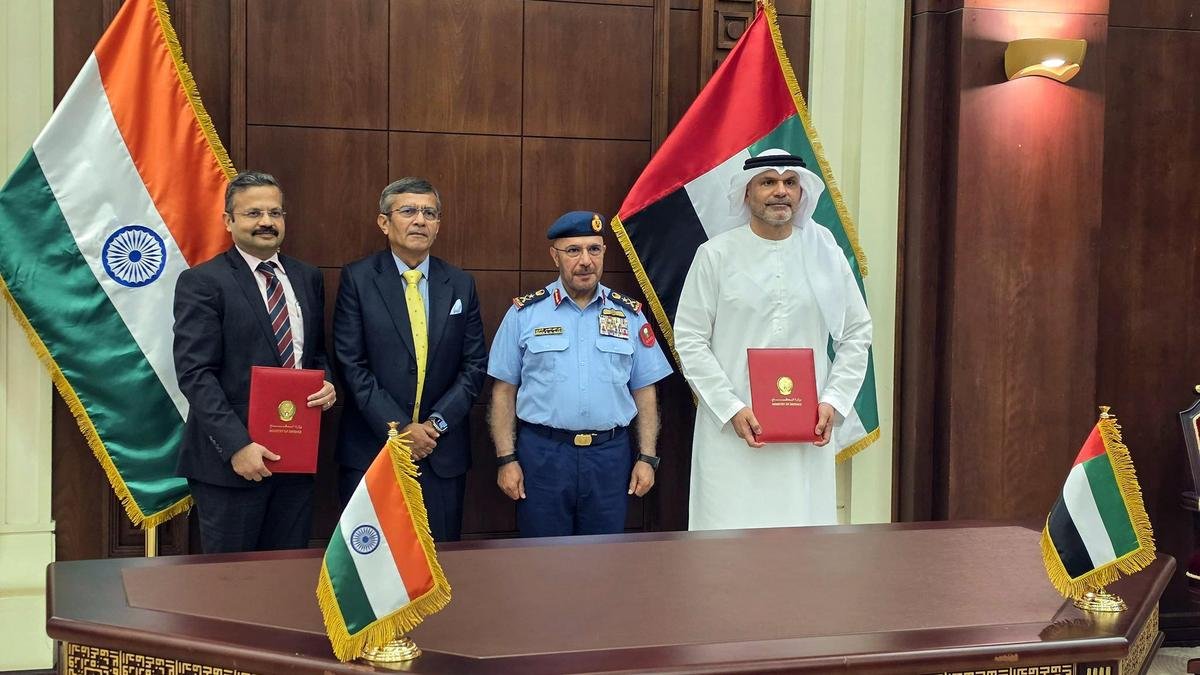
India and UAE Signal Deepened Defence Ties at 14th JDCC Meeting in Abu Dhabi
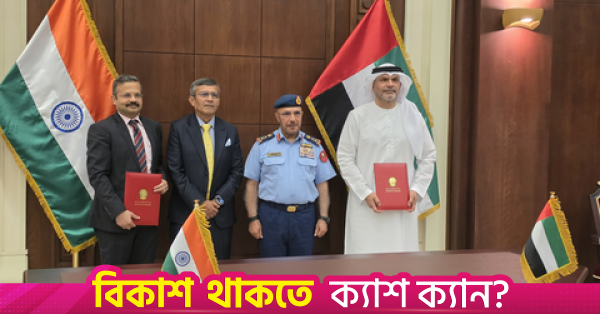
ABU DHABI: India and the United Arab Emirates have signaled a significant upgrade in their military relationship, pledging to fast-track the co-development and co-production of next-generation defence technologies. The commitment was solidified during the 14th meeting of the India-UAE Joint Defence Cooperation Committee (JDCC), held in the Emirati capital on November 26, 2026.
The high-level talks were co-chaired by India’s Defence Secretary, Rajesh Kumar Singh, and the UAE’s Under Secretary for Defence, Lieutenant General Ibrahim Nasser M. Al Alawi. This latest round of discussions served to operationalize the strategic roadmap laid out earlier this year during Prime Minister Narendra Modi’s visit to the UAE, focusing on transitioning from a traditional buyer-seller dynamic to a collaborative partnership in advanced military manufacturing.
Advancing the Strategic Defence Framework
The meeting underscored the depth of the bilateral Strategic Defence Partnership Framework, with both nations identifying key sectors for long-term cooperation. The discussions spanned a vast array of high-tech domains, including artificial intelligence, cybersecurity, maritime domain awareness, and specialized military training.
By streamlining these channels, New Delhi and Abu Dhabi aim to bolster their self-reliance in defense. A notable feature of this year’s committee meeting was the inclusion of an Indian industry delegation, which traveled alongside government officials to facilitate direct Business-to-Business (B2B) engagements. This shift reflects a broader policy effort by the Indian Ministry of Defence to integrate private sector innovation into global supply chains. During their stay, the Indian delegates toured the Tawazun Industrial Park and held technical consultations with the Tawazun Economic Council to identify specific avenues for cross-border industrial synergy.
Strategic Realignment in West Asia
Beyond technological collaboration, the dialogue addressed the shifting security landscape in the Persian Gulf and the wider West Asia region. Defence Secretary Rajesh Kumar Singh held a dedicated meeting with the UAE Minister of State for Defence Affairs, Mohamed bin Mubarak Fadhel Al Mazrouei. Sources indicate the two leaders held substantive discussions regarding regional stability and the imperative of maintaining secure maritime routes, given the evolving geopolitical complexities in the neighborhood.
The visit also held symbolic weight. Secretary Singh honored the fallen soldiers of the UAE by paying his respects at the Wahat Al Karama memorial in Abu Dhabi, a gesture that highlighted the growing trust between the two nations’ armed forces.
Sustaining Momentum
Recognizing the rapid pace of technological change, the two countries have agreed to establish a more rigorous oversight mechanism. Rather than waiting for annual summits, the JDCC has committed to reviewing the progress of ongoing joint initiatives at frequent, scheduled intervals.
The Indian delegation, which comprised representatives from the Ministry of External Affairs, the National Security Council Secretariat, and top military brass, underscored the importance of this partnership in India’s broader Act West policy. As the UAE continues its efforts to diversify its defense industrial base, India’s burgeoning defense manufacturing sector stands poised to become a preferred partner, setting the stage for a new era of defense integration between the two powers.
Disclaimer: This content is auto-generated for informational purposes only.
Source: Read Original News