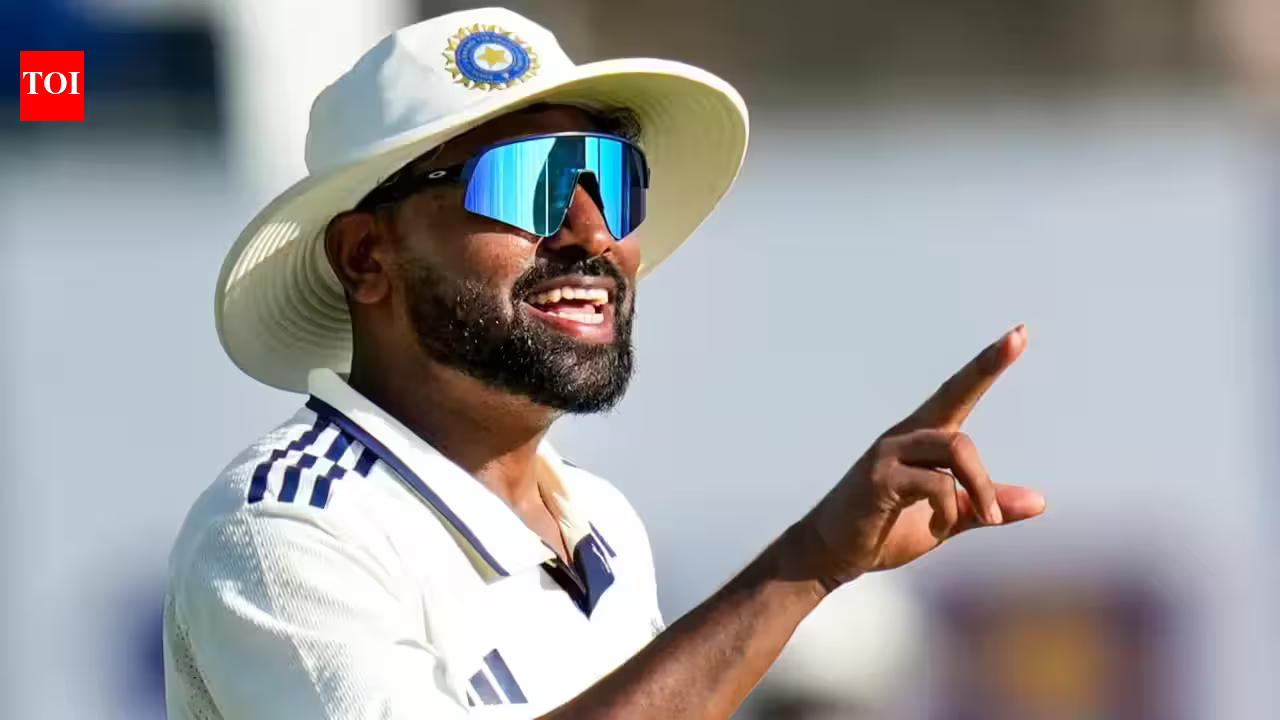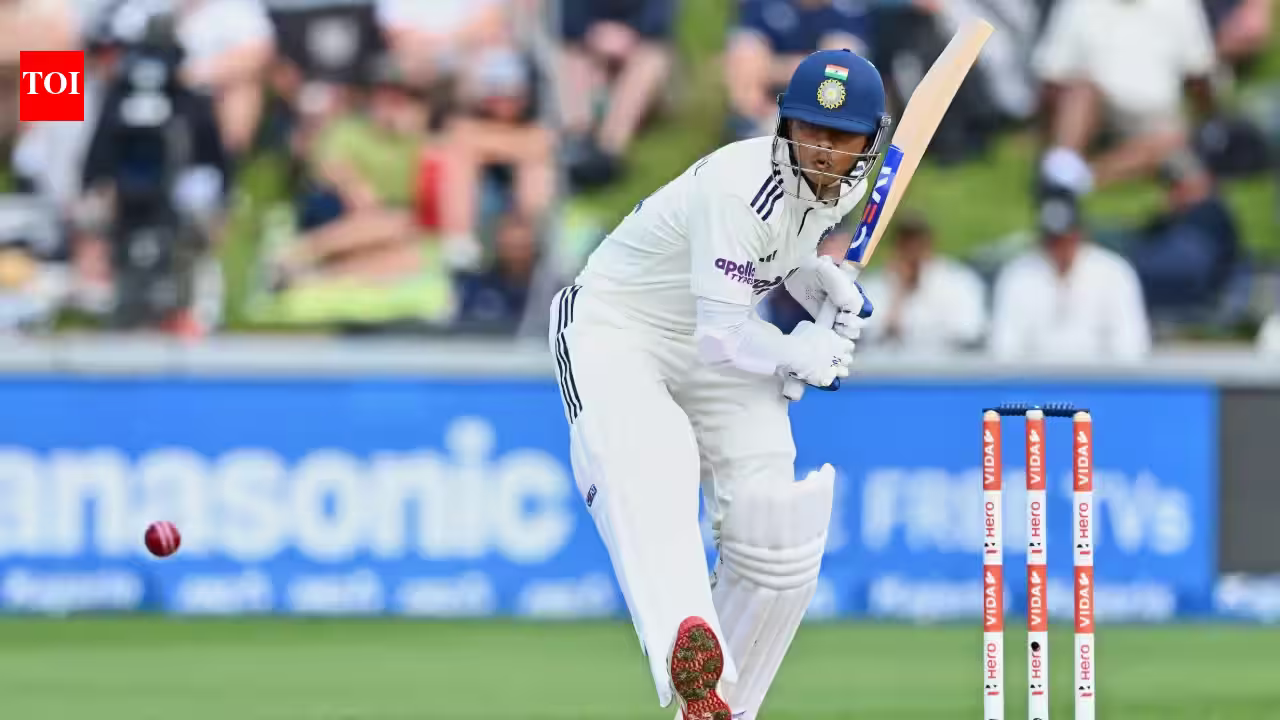








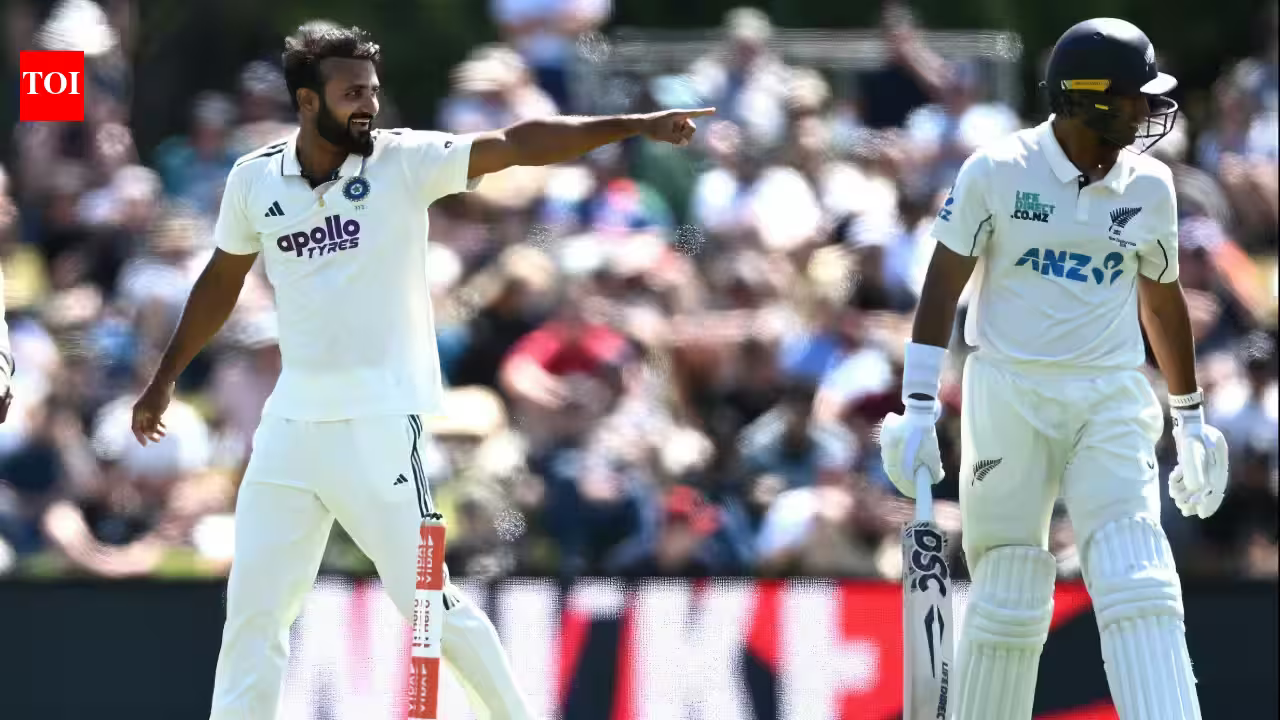
Akash Deep spearheaded a spirited Indian bowling performance on a compelling opening day at Hagley Oval, but a resilient New Zealand middle order ensured the hosts finished the first day of the second Test in a position of stability at 246/5. On a surface that rewarded patience and precision, the two sides effectively shared the spoils, with India dominating the middle session before New Zealand’s grit late in the day reclaimed the momentum.
After electing to field first, India’s pacers were initially forced to toil on a pitch that offered genuine bounce and carry. However, it was the return of the Bengal pacer Akash Deep—who has been sidelined by a lengthy battle with a lower back stress injury—that provided the spark the visitors desperately needed.
Akash Deep’s Masterclass Shifts Momentum
While the world’s elite bowlers often rely on speed alone, Akash Deep showcased the value of movement and tactical intelligence. During a pulsating post-lunch session, the pacer became the architect of New Zealand’s mid-day collapse. With the semi-new Kookaburra ball in hand, he produced a masterclass in seam presentation.
His first scalp was the well-set Tom Latham, who had anchored the New Zealand innings with a composed 59. Akash found the perfect length, forcing the Kiwi skipper to play at a delivery that jagged away just enough to kiss the outside edge, sailing comfortably into the gloves of Rishabh Pant. Shortly thereafter, he accounted for the dangerous Rachin Ravindra. Having faced only eight deliveries, Ravindra was lured into a loose drive by another testing delivery from the Bengal speedster, with Pant completing his second catch of the session.
The dual strikes left the Black Caps reeling, turning a relatively comfortable 110/4 into a pressure cooker for the hosts. Akash finished the day with figures of 2/52 from 21 overs, a return that arguably overshadowed the usually relentless Jasprit Bumrah.
A Day of Debutant Promise and Tactical Debate
The selection of Gurnoor Brar had been a point of contention leading up to the Test, but the debutant vindicated his inclusion with a mature display of fast bowling. Providing more pace and vertical movement than the man he replaced, Prasidh Krishna, Brar looked increasingly incisive as the day progressed. He broke the 77-run opening partnership just before the lunch break, removing Devon Conway for 31. His figures of 1/52 from 19 overs suggest that the Indian think-tank may have found a genuine weapon for the remainder of the series.
Similarly, Anshul Kamboj, another selection that had prompted pre-match debate, chipped in with the crucial wicket of Henry Nicholls for 16. With Washington Sundar also finding success by dismissing Daryl Mitchell—courtesy of a sharp catch by Dhruv Jurel at leg-slip—India appeared poised to bowl the hosts out cheaply.
New Zealand’s Resistance
Despite India’s middle-session surge, the day concluded with a testament to New Zealand’s depth. Tom Blundell, who remained unbeaten on 53, anchored the innings with immense patience. Joined by Glenn Phillips, who contributed a quick-fire 36, the pair weathered the final storm of the Indian attack.
Their unbroken 62-run partnership for the sixth wicket snatched back control for the hosts, ensuring that the scoreboard pressure did not boil over. Phillips, in particular, looked to capitalize on any width offered, finding value through the off-side and keeping the scoreboard ticking over as the shadows lengthened over Christchurch.
Bumrah’s Control vs. The Hagley Oval Surface
It was an unusual day for Jasprit Bumrah, who despite his unrelenting pressure, walked off the field wicketless. The Indian spearhead was threatening from the very first ball—even forcing an LBW appeal against Latham in the opening over—but the New Zealand skipper utilized DRS to successfully overturn the decision and avoid a third consecutive duck.
While the wickets column remained empty for Bumrah, his impact was felt in his economy; he conceded just 37 runs in 19 overs, effectively locking down one end and allowing his teammates to attack from the other. The Hagley Oval track proved to be a high-quality Test surface, offering enough assistance for the seamers to remain interested while rewarding those batsmen—like Latham and Blundell—who were willing to leave the ball and build their innings with discipline.
As the teams head into Day 2, the game sits on a knife’s edge. India will be keen to secure the final five wickets early tomorrow to keep New Zealand under 350, while the hosts will look to Blundell and Phillips to carry them toward a first-innings total that would demand a significant response from the Indian batting lineup. Given the movement and bounce on offer, the match remains a fascinating tactical chess match.
Disclaimer: This content is auto-generated for informational purposes only.
Source: Read Original News