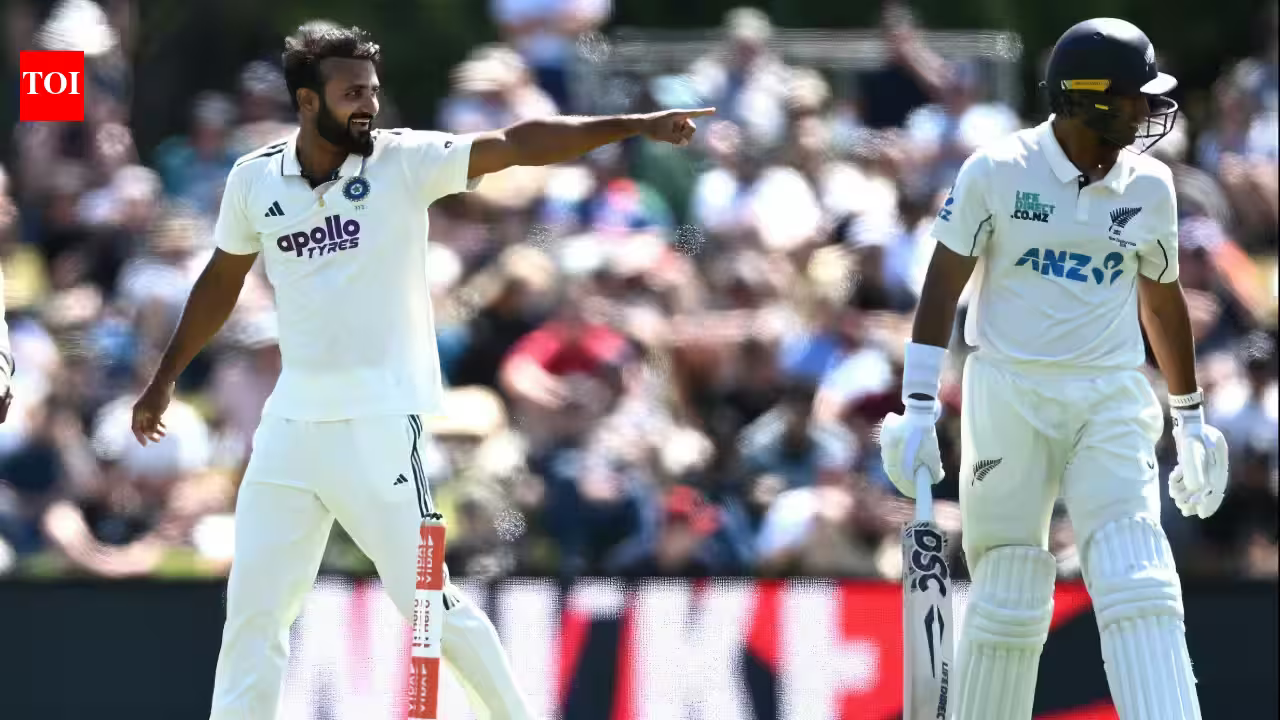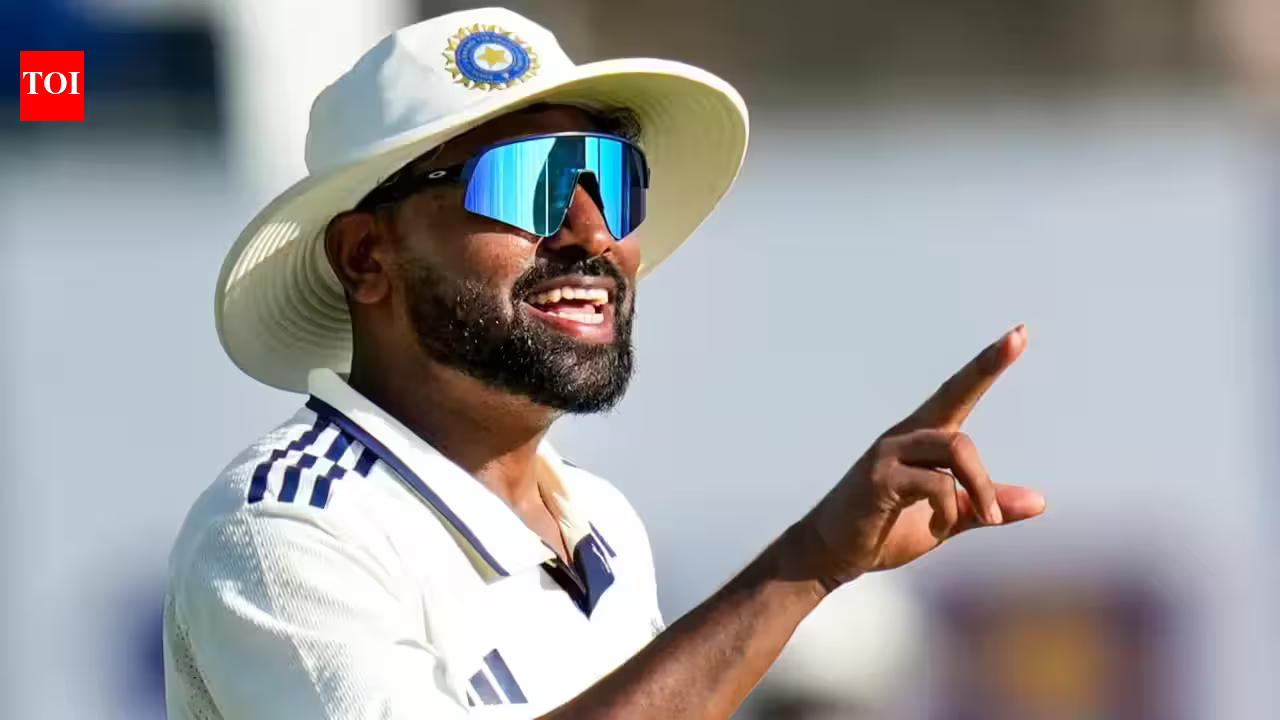








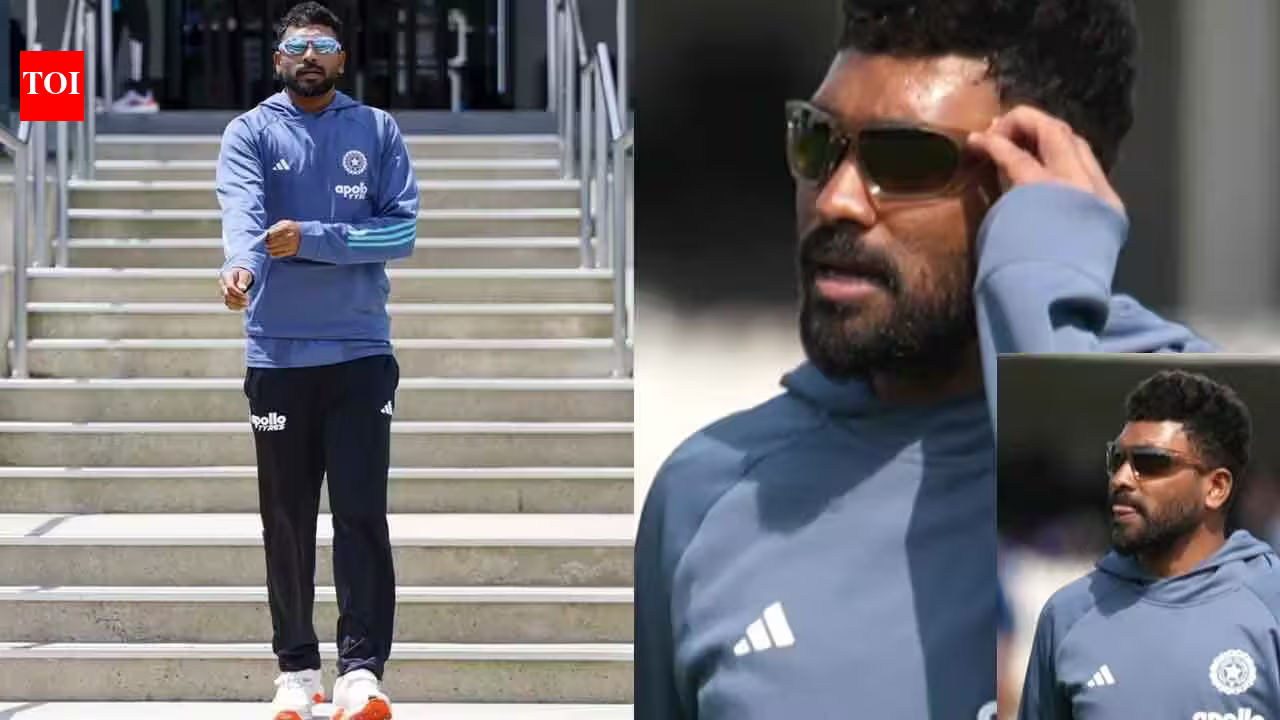
CHRISTCHURCH – The high-stakes atmosphere of the second Test at Hagley Oval was momentarily overshadowed by a poignant moment captured on live television, one that has ignited a fierce debate regarding team selection and player management. As the Indian squad prepared for the opening morning of the crucial encounter against New Zealand, cameras panned to fast bowler Mohammed Siraj, whose visibly emotional demeanor sent ripples through the commentary box and sparked an immediate conversation about the human element of professional sports.
The images, which showed a solemn Siraj covering his eyes with his sunglasses, were interpreted by many as a reflection of the crushing disappointment of being sidelined for such a marquee fixture. The moment did not go unnoticed by former India batter Ajinkya Rahane and seasoned commentator Murali Kartik, who were providing expert analysis for the broadcast.
Rahane, Kartik react to Siraj’s live TV visuals
As the feed focused on the pacer, the gravity of the situation was palpable. Rahane, observing the visual with keen interest, posed a question that resonated with millions watching back home: “Is he crying?”
Murali Kartik, well-versed in the temperament of modern fast bowlers, validated the observation while offering a deeper insight into Siraj’s character. For Kartik, the sight of a player clearly reeling from an exclusion is a testament to the passion that defines some of India’s most effective campaigners.
“I don’t know, brother. He certainly looks quite emotional to me, because he is an emotional person,” Kartik noted during the broadcast. “Obviously, it hurts. We have always played alongside all kinds of players; some are okay with it, but then there are some people who just want to play. It doesn’t matter if they have pain in their leg or their head; they put their life on the line. Siraj seems like that kind of bowler.”
Kartik further contextualized the frustration, pointing out that this was not the first time the Hyderabad-born speedster had found himself on the periphery. “Because he was benched in the ODIs as well, and even during the West Indies tour, he was only given a chance in the final match when they didn’t want to play anyone else. This hurts a player,” he added.
The Numbers Conundrum: Why the Omission?
Beyond the emotional impact of the decision, Kartik raised pressing technical questions regarding the logic behind Siraj’s benching. In a results-driven environment, the numbers often serve as the ultimate barometer for a player’s worth—and by that metric, Siraj’s case for inclusion is formidable.
Siraj currently stands as India’s leading wicket-taker in the ongoing World Test Championship (WTC) cycle, boasting an impressive haul of 43 wickets in just 11 matches. Given his consistency and his role as a strike bowler, his exclusion from the playing XI has baffled both experts and fans.
“With the numbers you’ve seen so far, I am surprised,” Kartik argued. “If you feel his form isn’t good, or he’s not bowling well in the nets, then don’t take him on the tour at all. Don’t take him; what’s the point then? Either don’t keep him in the team, or trust the record.”
New Strategy at Hagley Oval
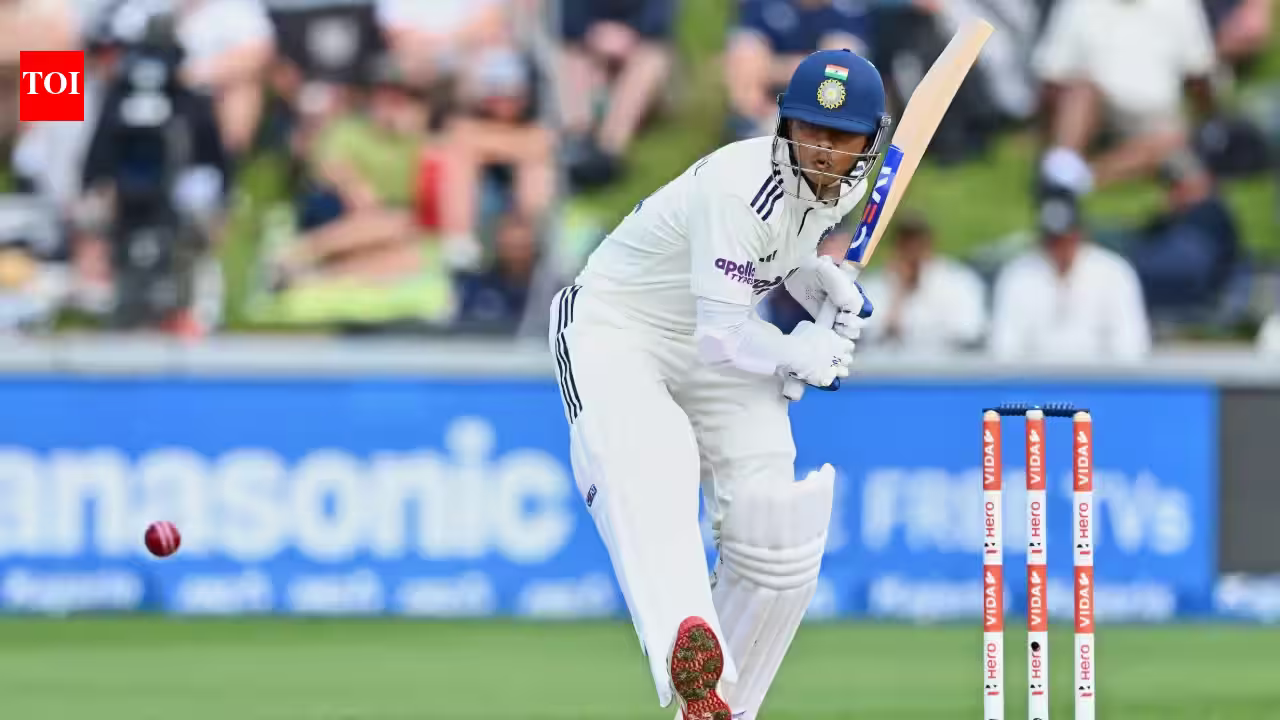
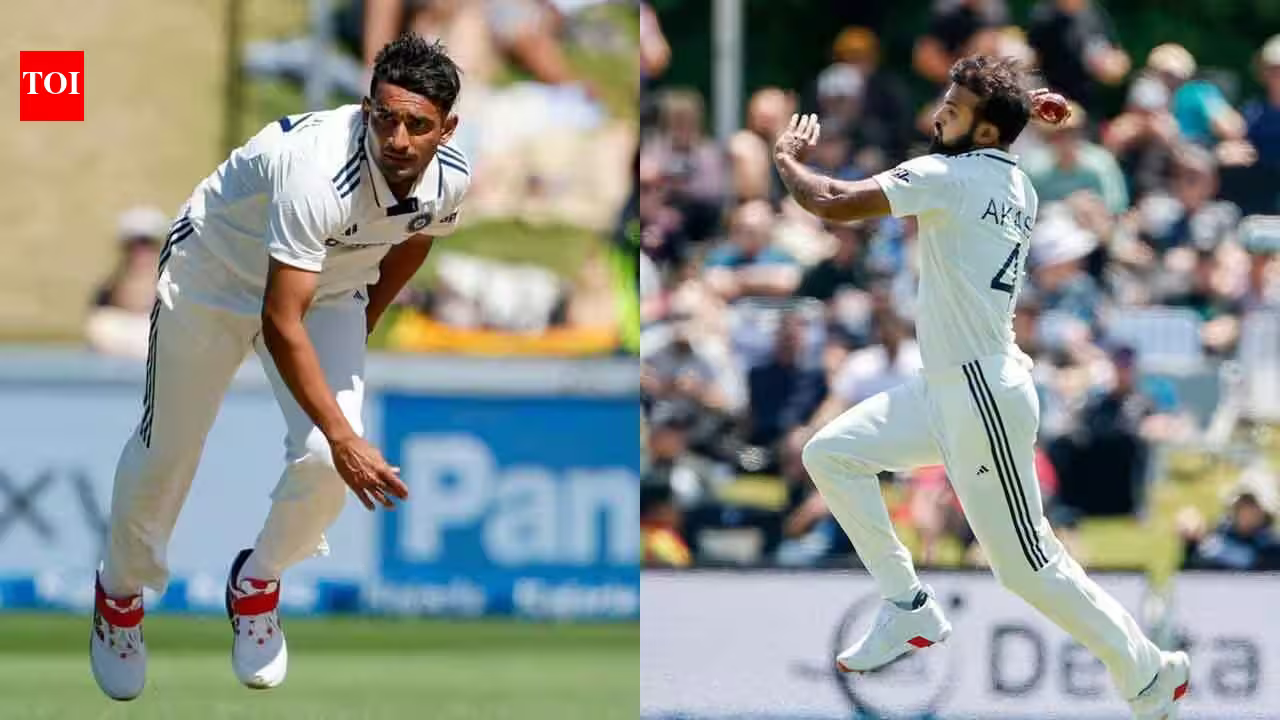
The tactical shift for the second Test saw India captain Shubman Gill win the toss and elect to bowl first on a pitch at Hagley Oval that promised significant movement for the seamers. In an effort to inject fresh energy into the bowling attack, the team management opted to leave out Prasidh Krishna, handing a debut to 26-year-old Punjab pacer Gurnoor Brar.
While Brar receiving his 321st Test cap marks a milestone for the young bowler, the focus remains squarely on the depth of India’s rotation policy. The decision to prioritize new blood over an established performer like Siraj, especially in a series as critical as the one against the Black Caps, highlights a bold, albeit controversial, approach from the leadership.
As the match progresses, the shadow cast by Siraj’s omission looms large. Whether this decision proves to be a masterstroke or a tactical misstep remains to be seen, but the reaction from the dugout has made one thing clear: in the high-pressure world of international cricket, the emotional toll of selection decisions is just as significant as the technical strategies played out on the green top. For now, Siraj remains on the sidelines, his future in the side a subject of intense speculation as India looks to level the series.
Disclaimer: This content is auto-generated for informational purposes only.
Source: Read Original News