








India’s Rising Influence Shapes Global Walnut Trade Amid Tightening Kernel Supplies
The global walnut market is witnessing a structural transformation as India solidifies its position as a primary destination for international in-shell walnuts. While China aggressively expands its dominance in overall production for the 2026/27 season, the market is diverging into a two-tiered system: a surplus of in-shell product and a tightening supply of high-grade kernels.
Shifts in Global Trade Flows
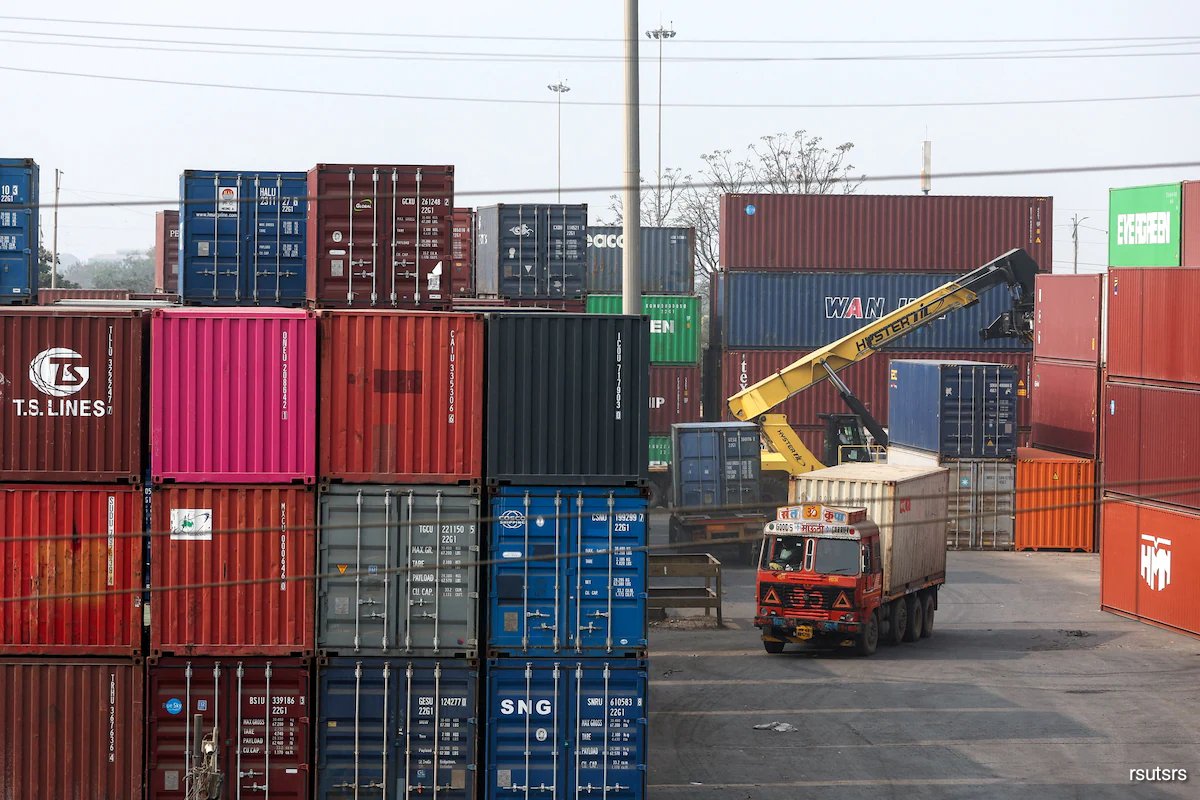
Data from the April–October 2026 period reveals a significant pivot in export patterns. Chile, traditionally a major supplier to Western markets, has seen its total in-shell walnut exports decline by 13.3% to 74,731 tonnes. Crucially, however, shipments to India surged by 16.1% to 31,344 tonnes. India now accounts for nearly 42% of Chile’s total in-shell exports, underscoring the country’s growing influence on global trade corridors.
This shift comes as traditional demand from Europe—specifically Spain, Germany, and Türkiye—weakens significantly. While European interest in Chilean in-shell product has waned, Latin American markets like Brazil and Ecuador have emerged as key growth drivers for shelled walnut exports, helping to absorb the output from the Americas.
The Kernel Supply Paradox
Despite a projected 3.4% increase in global in-shell production, reaching 2.926 million tonnes, the outlook for processed kernels remains conservative. China remains the engine of global supply, with production expected to hit 1.7 million tonnes—a 13.3% year-on-year increase. Conversely, key players like the United States and Chile are grappling with production deficits of 16% and 9.7%, respectively.
This disparity is creating a supply-side tension. While in-shell availability is high, particularly in Asian markets, the availability of high-quality kernels is expected to tighten. Market observers note that shelling yields and product mix are likely to favor firm pricing for premium halves and quarters, as the industry digests the new-season supply.
Price Stability and Current Quotes
As of November 21, 2026, walnut kernel prices have entered a phase of nominal stability. Chinese kernels out of Dalian remain flat, with light quarters priced at EUR 3.45/kg and light pieces (8–12 mm) at EUR 3.00/kg. Indian organic light halves maintain a premium position at EUR 5.45/kg, while US organic light halves (80% purity) are quoted at EUR 4.65/kg FOB London.
This horizontal price trend suggests that the market is currently more focused on re-routing existing trade flows to meet regional demand than on aggressive repricing.
Outlook and Regional Strategy
For stakeholders, the immediate horizon requires a nuanced approach to procurement. Buyers of high-quality kernel halves should consider securing positions for the first half of 2027 while prices remain steady, as the global shortage in kernel volume may eventually exert upward pressure.
Meanwhile, exporters in Chile and the US are being advised to pivot toward value-added kernel programs in emerging markets like Brazil and Ecuador. Simultaneously, the continued reliance of the Indian market on in-shell imports offers a stable, albeit competitive, outlet for producers.
As the industry moves through the remainder of the year, the “dual-track” market reality—characterized by abundant in-shell availability versus strained kernel supply—will likely remain the defining feature of the walnut trade. With favorable weather conditions across major growing regions, supply-side shocks remain limited, leaving international demand dynamics as the primary architect of future price movements.
Disclaimer: This content is auto-generated for informational purposes only.
Source: Read Original News