








The fragile peace between global streaming giants and the Indian film industry’s powerful trade unions has officially shattered. In a high-stakes standoff that threatens to paralyze production sets across the country, the Federation of Western India Cine Employees (FWICE) has drawn a line in the sand over Netflix’s latest acquisition: the Pakistani drama Jo Bachay Hai Sang Samait Lo.
The message from the federation is blunt, uncompromising, and serves as a stark reminder of the volatile intersection where geopolitics meets the world of entertainment. If the show hits the screen, the cameras stop rolling.
FWICE vs. The Global Giant: A Brewing Storm
The controversy centers on the upcoming release of Jo Bachay Hai Sang Samait Lo, a series that is, by every metric, a homegrown Pakistani production. It features an ensemble of Pakistani actors, is bankrolled by a Pakistani production house, and is rooted entirely in the culture and creative output of India’s neighbor. For the FWICE, this isn’t just a content acquisition; it’s a provocation.
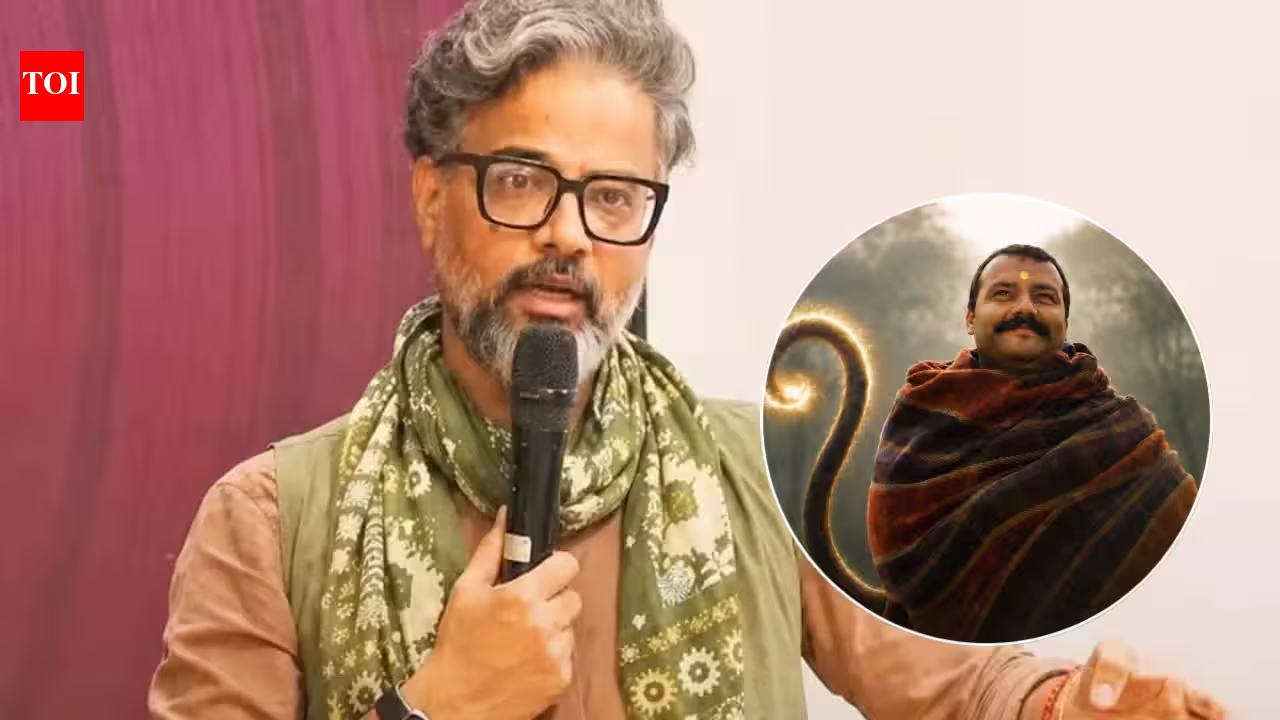
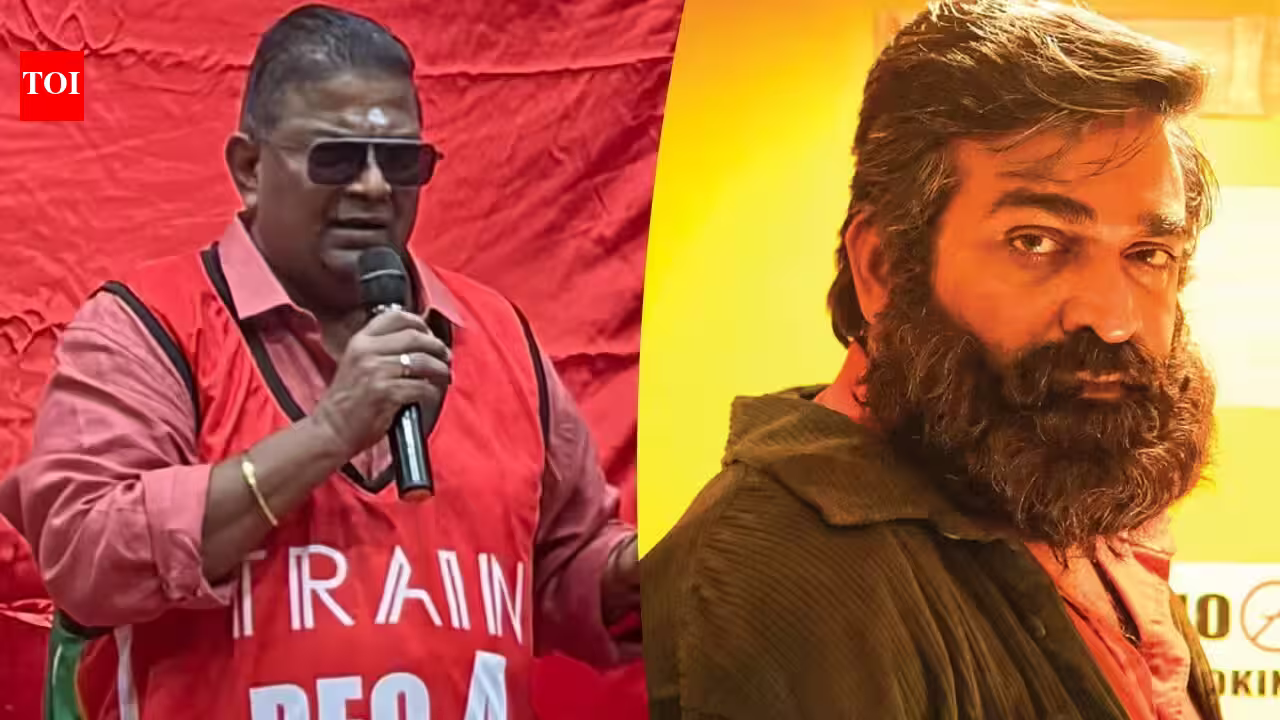
At a high-decibel press conference held on November 27, veteran filmmaker Ashoke Pandit and FWICE president BN Tiwari didn’t mince words. Standing before the media, they articulated a stance that has been hardening within the industry for years. To the federation, providing a massive, lucrative platform like Netflix to Pakistani content is not merely a business decision—it is a disregard for the socio-political realities that define India-Pakistan relations.
The Principle of Reciprocity and Sensitivity
At the heart of the FWICE’s objection is the issue of reciprocity. For decades, the flow of cultural exchange has been profoundly one-sided. While Indian cinema and television once enjoyed a massive following across the border, they have faced frequent bans, censorship, and outright rejection from the Pakistani establishment.
“When Pakistan does not allow our films to be released, when they do not run our television shows, when they do not entertain us in their country, then why should we give them space here and why should we encourage them here?” Pandit asked during the presser. His argument strikes a chord with a segment of the industry that views the promotion of Pakistani content as a “sensitivity” issue.
The federation argues that the wounds of history—referencing the Mumbai terror attacks and the tragedy at Pulwama—are still raw. They contend that the Indian streaming ecosystem, which thrives on the talent and labor of local workers, has a moral obligation to respect the sentiments of the families of soldiers and those affected by terrorism. By platforming Pakistani productions, they argue, Netflix is choosing global expansion over the sensibilities of the very market that sustains it.
The Ultimatum: December 5 and the Shutdown
The threat is not a hollow one. FWICE, an umbrella body that represents thousands of film workers, including technicians, junior artists, and crew members, has a history of wielding its collective power to halt productions when its demands aren’t met.
BN Tiwari has issued a clear, time-sensitive ultimatum: If Netflix proceeds with the scheduled December 4 release of Jo Bachay Hai Sang Samait Lo, the organization will initiate a total work stoppage on all Netflix-affiliated projects in India starting December 5. “If they release it on the 4th, we won’t allow any of their shoots in India from the 5th onwards. All our people will withdraw from it, and then I’ll see what happens,” Tiwari stated, underscoring that while the relationship between the streaming giant and the federation has been cordial in the past, it does not buy the streamer immunity from the union’s ideological mandates.
This move potentially places hundreds of Indian film workers, who rely on the steady pipeline of Netflix original productions, in the middle of an administrative crossfire. The federation has made it clear that their boycott will be total—no exceptions for ongoing shoots or future collaborations.
Government Involvement and Regulatory Pressure
The dispute has already leaked out of the corridors of the industry and into the halls of government. Reports indicate that the Ministry of Information and Broadcasting has waded into the fray, reminding Netflix of its previous commitments.
In June of last year, during a period of similar friction, Netflix had assured the government that it would refrain from hosting Pakistani content for Indian subscribers. The Ministry’s recent intervention is effectively a nudge for the streamer to honor that pledge. By pushing for a release despite these warnings, Netflix has found itself in the precarious position of navigating both the wrath of local unions and the scrutiny of national regulators.
The Future of Cross-Border Content on OTT
This standoff highlights a critical dilemma for global streaming platforms. Companies like Netflix, Amazon Prime, and Disney+ Hotstar operate on a model of “borderless” content consumption, where algorithms prioritize watch-time and global diversity over nationalistic barriers. However, the Indian market is unique. It is a market where the entertainment industry is deeply intertwined with national sentiment, and where trade bodies like the FWICE act as gatekeepers of professional conduct and ideological purity.
As of now, the clock is ticking toward the December 4 release. If Netflix bows to the pressure, it risks alienating its global strategy and its subscribers who are keen to view the series. If it stands its ground, it faces the prospect of a nationwide strike that could bring its domestic production engine to a screeching halt.
For the moment, all eyes are on the executive offices of Netflix India. Will they prioritize the release of a single series, or will they deem the risk of a total production lockdown too high a price to pay? Regardless of the outcome, this incident signals a new chapter in the ongoing struggle between the realities of a globalized digital era and the fierce, protective instincts of the local film fraternity. The silence before the storm is rarely this deafening.
Disclaimer: This content is auto-generated for informational purposes only.
Source: Read Original News