







The platform is set, the whistle has blown, and the tracks are laid. As the Indian film industry braces for the December 4th release of Train, the buzz surrounding the project isn’t just about the star power of Vijay Sethupathi; it’s about the return of a visionary filmmaker who has spent years perfecting his craft in the shadows of acting gigs. Director Mysskin, the idiosyncratic mind behind cult hits like Anjathe and Pisasu, is back in the director’s chair, and if his recent comments are anything to go by, he’s aiming for nothing less than a masterclass in tension.
A Return to the Helm After the ‘Psycho’ Hiatus
It has been a long four years since audiences saw a film directed by Mysskin. Following the 2020 release of Psycho, which pushed the boundaries of the psychological thriller genre in Tamil cinema, the director seemingly pivoted. He became a familiar face in front of the camera, delivering memorable performances in projects like Dragon and showcasing a rugged, lived-in screen presence.
However, fans of the director have been clamoring for his return to the auteur’s seat. Train represents that long-awaited homecoming. It is not merely a project; it is a statement. For a filmmaker known for his meticulous shot compositions and dark, atmospheric storytelling, Train serves as the perfect vessel to re-establish his narrative dominance. With a sprawling ensemble cast featuring heavyweights like Nassar, Shruti Haasan, Narain, KS Ravikumar, and Yugi Sethu, the production feels like an event, one that Mysskin has approached with the humility of a student and the confidence of a veteran.
Redefining the Action Thriller
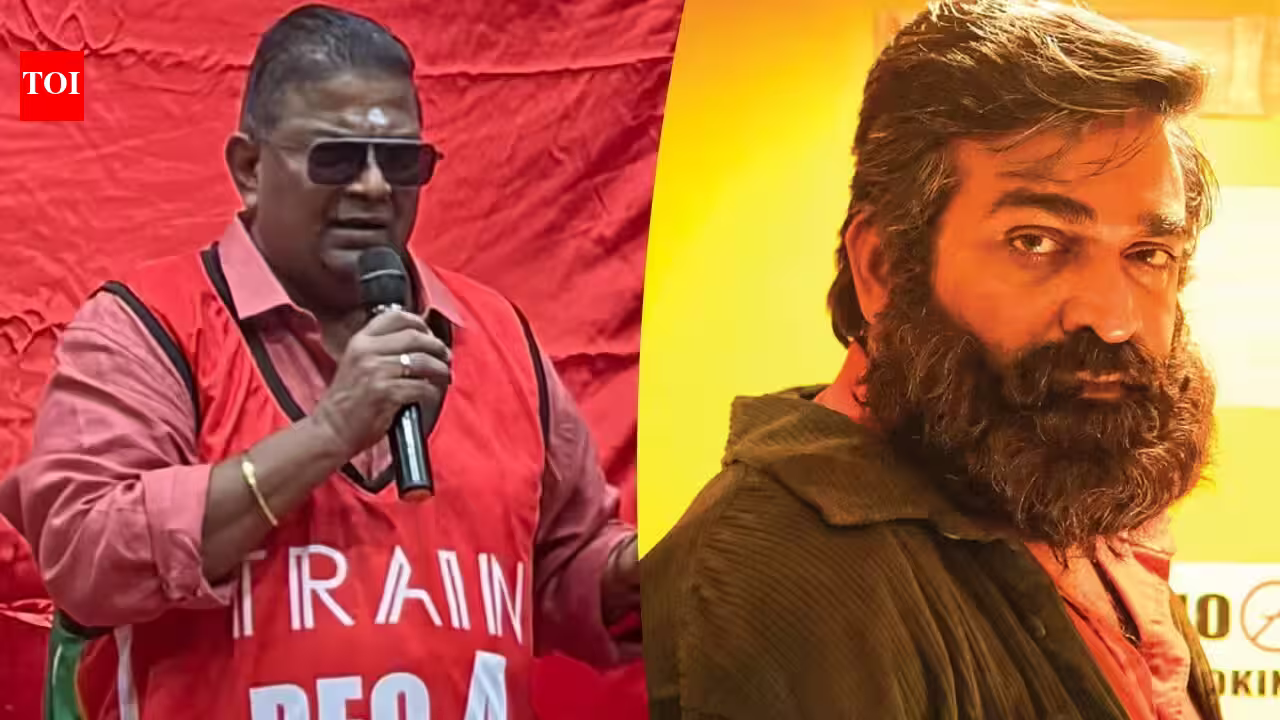
At a recent promotional event, Mysskin was quick to manage expectations while simultaneously stoking the flames of curiosity. He is adamant that he isn’t trying to reinvent the wheel or claim that Train is the greatest piece of cinema ever produced. Instead, he describes it as an “engaging thriller”—a film that respects the audience’s time by maintaining a relentless, breakneck pace.
“This is an engaging thriller that moves at a good pace and will not make you turn left or right even for a second,” Mysskin remarked. In an era where many thrillers suffer from sagging second acts or unnecessary exposition, his promise of a film that locks the viewer into their seat is a bold claim. Even more intriguing is his stance on content: despite the high-stakes thrills, he insists the film remains family-friendly, stripped of the gratuitous vulgarity and unnecessary violence that often plague modern action cinema. It is a balancing act—delivering visceral intensity without sacrificing the broad, emotive appeal that defines mainstream success.
Elevating the ‘Train Fight’ Archetype
Every seasoned moviegoer in India remembers the iconic train fight sequences of the 80s and 90s. From Rajinikanth’s high-octane confrontation in Murattu Kaalai to the emotional resonance found in Senthoorapoove, these scenes defined a generation of heroism. During the event, Mysskin didn’t shy away from these comparisons. In fact, he leaned into them, boldly claiming that the action sequences in Train go beyond those nostalgic benchmarks.
This is where the synergy between the director and his lead actor becomes paramount. Mysskin credits Vijay Sethupathi for this escalation. Sethupathi, known for his ability to blend organic acting with intense physical commitment, has clearly provided the canvas upon which Mysskin has painted his action. The goal was to create “moments,” not just fight scenes—choreography that feels essential to the narrative rather than a temporary distraction from the plot. If the early trailer feedback is any indication, the gamble has paid off; the choreography feels fresh, dangerous, and perfectly suited for the confined spaces of a railway carriage.
Vijay Sethupathi: The Engine of the Film
Vijay Sethupathi has long been the “Makkal Selvan” (People’s Treasure), a title he earns through his choice of scripts and his uncanny ability to inhabit characters that feel real. For Train, the actor hasn’t just signed on as a lead; he has become an evangelist for the film’s vision.
Sethupathi has described the film as a thematic reflection of its title—a moving entity that never slows down. He promises that the audience will be fully engrossed, caught in a whirlpool of human experience. According to the actor, the film isn’t just about the physical danger inherent in a train setting; it’s about the emotional baggage the characters carry. Revenge, anger, untimely deaths, and fleeting moments of love are the fuel that powers this narrative engine. Sethupathi’s ability to anchor such complex, often volatile, emotions within the structure of a pulse-pounding thriller is likely why Mysskin felt this was the only script to bring him back to the director’s chair.
Why ‘Train’ Is the Must-Watch Thriller of December
As the release date approaches, the atmosphere surrounding Train is one of cautious, genuine excitement. The industry has seen many thrillers, but the combination of Mysskin’s eccentric, auteur-driven style and Vijay Sethupathi’s grounded, versatile performance is a rarity.
The film arrives at a time when audiences are increasingly selective. They are tired of the same formulaic approaches to genre filmmaking. By promising a lean, fast-moving, and emotionally resonant experience, the team behind Train is betting on the idea that viewers still crave a well-told story that respects their intelligence. Mysskin’s focus on pacing, combined with the sheer gravity that actors like Nassar and Shruti Haasan bring to the screen, suggests that Train will be much more than a collection of stunts.
On December 4, we will finally see if the film lives up to its director’s ambitious promise. But for now, one thing is certain: the train is picking up speed, and it’s a ride that both the cast and the director are clearly thrilled to be on. Whether it becomes the definitive action-thriller of the year remains to be seen, but with Mysskin back in the driver’s seat, it’s guaranteed to be a journey worth taking.
Disclaimer: This content is auto-generated for informational purposes only.
Source: Read Original News