









The Hidden Reality of Your Kitchen Air
We spend so much time curating the look of our homes, picking out the perfect subway tiles or choosing cabinetry that brings everything together. But lately, there has been a growing focus on what we cannot see: the air quality inside our houses. As the winter chill settles in and we retreat indoors, keeping our spaces cozy often means sealing every draft and keeping windows shut tight. While this helps keep the heating bills down, it might be creating a stagnant environment for your lungs.
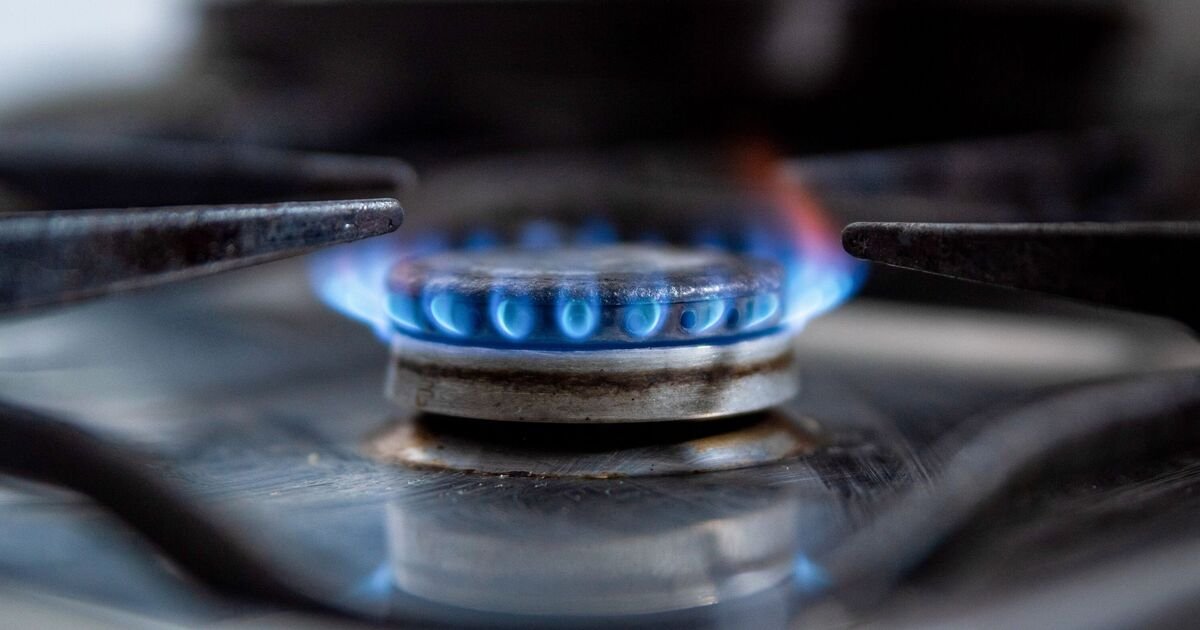
If you are a fan of cooking with gas, it is worth taking a moment to consider how your stove affects your home environment. While gas hobs provide that immediate, visible flame many chefs love, they also release nitrogen dioxide and other pollutants that linger long after the dinner dishes are cleared. It is a bit of a reality check, but being aware of what happens behind the scenes of your morning scrambled eggs is the first step toward a healthier living space.
Simple Habits for Better Kitchen Circulation
The good news is that you do not need to perform an expensive kitchen overhaul to make things safer. It is all about how you manage your kitchen environment while you cook. The most effective habit to adopt is consistent ventilation. Even if it is freezing outside, cracking a window while your pasta water boils can make a massive difference.
If you have a range hood above your stove, make sure it is actually vented to the outside rather than just recirculating air back into the room. If your hood is mainly for filtering grease, that is helpful for keeping your cabinets clean, but it does little to clear away invisible gases. Try to keep that fan running throughout the entire cooking process and for about ten minutes after you turn the flame off. This creates a continuous path for pollutants to escape, ensuring that the air you breathe in your living room remains fresh rather than heavy with combustion byproducts.
Smart Swaps for Everyday Meals
If you want to reduce your reliance on the gas hob, look to the small, countertop appliances that have taken over our kitchens lately. Using an electric kettle, a microwave, or an air fryer is a brilliant way to cut down on gas usage without sacrificing your cooking speed. These gadgets are highly efficient and produce zero gas emissions, making them perfect for simple tasks.
Think of your gas hob as a specialty tool reserved for specific techniques rather than your default for every single task. Boiling a small amount of water for tea? The electric kettle is faster and cleaner. Reheating leftovers? The microwave handles it perfectly. By shifting some of your daily tasks to these electric alternatives, you minimize the time the flame is active, which naturally lowers the concentration of pollutants hanging around your home. It is a small change that saves energy and promotes better indoor air quality.
Safety Basics That Everyone Should Follow
Beyond changing your cooking habits, there are a few standard safety measures that every home should prioritize. First and foremost, ensure your gas appliances get a professional service at least once a year. This ensures that the burners are calibrated correctly, which can help prevent unnecessary leaks or incomplete combustion.
Additionally, if you do not have a carbon monoxide detector in your kitchen, prioritize getting one. While we often think of these detectors for boilers, placing one in or near the kitchen is a sensible layer of protection. Some modern detectors are designed to sense even lower levels of pollutants, providing peace of mind as you prepare your meals. When you combine these technical checks with mindful ventilation and the use of smaller electric appliances, you are taking proactive steps to ensure your home remains the safe, comfortable sanctuary it is meant to be. Keeping your kitchen clean is not just about wiping down the countertops; it is about keeping the air fresh for you and your family.
Disclaimer: This content is auto-generated for informational purposes only.
Source: Read Original News