








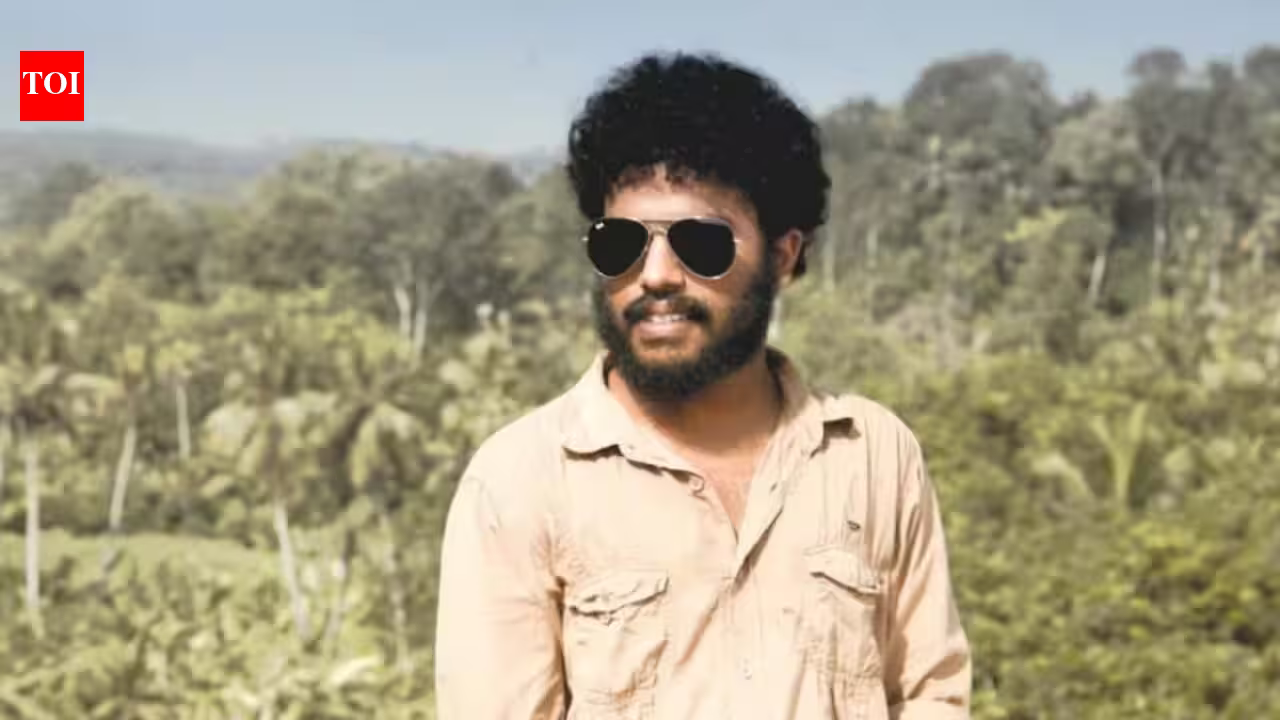
The final curtain has fallen on a legal chapter that once threatened to derail one of Malayalam cinema’s most promising new voices. On Saturday, the Additional Sessions Court in Kochi delivered its verdict in a high-profile case that had cast a long, dark shadow over director Liju Krishna for the better part of three years. Presiding Judge Kavitha Gangadharan officially acquitted the Padavettu filmmaker of all charges related to a 2022 sexual assault case, effectively ending a grueling ordeal that Liju describes as a fight for his life and reputation.
For the industry, the acquittal serves as a poignant reminder of the volatility of public accusation. But for Liju Krishna, the court’s decision—reached after a meticulous review of 23 witnesses and 17 pieces of evidence—represents something far more personal: the restoration of a life that had been placed in deep freeze.
A Legal Journey Toward Exoneration
The trial was anything but brief. Over the course of the legal proceedings, the Additional Sessions Court, which specializes in cases of sexual violence, conducted a deep dive into the allegations brought against the director. The process involved not only the testimony of the prosecution’s witnesses but also a crucial intervention from the defense, which brought two additional witnesses to the stand to provide a counter-narrative to the charges.
When Judge Gangadharan finally cleared the director of the accusations, it marked the culmination of a process that had seen the filmmaker under the scrutiny of the Thrikkakara police since his initial arrest on March 6, 2022. That date is etched in infamy in the director’s mind, as it coincided with the final day of production for his debut feature, Padavettu, a film that starred Nivin Pauly and had garnered significant anticipation before being caught in the crossfire of the legal scandal.
The Origins of a Professional and Personal Crisis
The allegations, which first surfaced in a public and viral Facebook post, centered on claims made by a woman who had worked with Liju as a co-writer on the script for Padavettu. She alleged that the filmmaker had sexually assaulted her repeatedly over a two-year period. The impact was instantaneous. In the current climate of the Indian film industry, an accusation of this magnitude is often treated as a career-ending verdict before a judge even steps into the courtroom.
For Liju Krishna, the fallout was swift and suffocating. The arrest sent shockwaves through the Malayalam film industry, causing producers and collaborators to distance themselves immediately. As the legal machinery ground into motion, the filmmaker found himself effectively ostracized from the very creative circles he had spent years trying to enter.
Truth Prevails: A First Response
Stepping out of the courtroom on Saturday, Liju Krishna appeared visibly moved. In a brief interaction with the press, he struck a tone of relief rather than triumph, emphasizing that the focus of his legal battle was never about “winning” in a game, but about the simple necessity of factual accuracy.
“We have been able to present our side of the case and establish the truth before the honourable court,” he told reporters. His words reflected a man who had been operating under the weight of a public stigma and was finally witnessing the erosion of that burden. However, for Liju, the judicial acquittal is only the first step in a much longer journey of personal and social rehabilitation. The courtroom cleared his name, but the director suggests that the social and emotional damages incurred over the last few years may take significantly longer to repair.
The Hidden Cost of Scandal
Perhaps the most heart-wrenching aspect of Liju Krishna’s testimony following the verdict was his description of the collateral damage—the impact on his aging parents and his family unit. While the world saw a news headline, Liju saw the collapse of his family’s daily existence.
“The last five years were extremely hard for him and his loved ones,” Liju explained, noting that his parents had essentially retreated from society entirely. The narrative he shared painted a stark picture of social isolation: his father, who ran a small local shop, was so overcome by the social stigma and the humiliation of the public accusations that he shuttered his business and never returned.
“Neither my father nor my mother has attended any public or family functions in our locality since then,” he added. “Literally, the front door of my house remained closed all the time.” This glimpse into the private life of the filmmaker highlights the devastating efficiency with which a scandal can isolate a family, regardless of the eventual legal outcome.
Seeking a Path Back to Cinema
Beyond the personal toll, Liju Krishna raised serious questions regarding the motivation behind the charges. In his statement, he went a step further, alleging that he was the target of a calculated maneuver by a female peer in the film industry who, he claimed, did not want his film, Padavettu, to see the light of day. While these are serious allegations, they remain at this stage his perspective, and the industry is still digesting the gravity of his comments.
As he looks toward the future, the question remains: Can a filmmaker recover from a three-year hiatus forced by a scandal that was eventually dismantled in court? Liju acknowledges that he was kept completely away from all creative opportunities, effectively “untouchable” in the eyes of the industry during the height of the investigation.
Now that the legal hurdles are cleared, the director faces the challenge of re-entering a competitive and fickle industry. His acquittal is a validation of his innocence in the eyes of the law, but in the entertainment world, perception is often as potent as the truth. As he attempts to pick up the pieces of his career, Liju Krishna’s story serves as a sober reflection on the fragility of reputations and the long, lonely road of those who find themselves fighting to prove their innocence in the court of public opinion.
Disclaimer: This content is auto-generated for informational purposes only.
Source: Read Original News