







Mumbai’s Data Center Boom Faces Growing Public Backlash Amid Scaling Projects
The Mumbai Metropolitan Region (MMR) is cementing its status as India’s primary digital powerhouse, yet this rapid expansion is increasingly colliding with the concerns of local residents. Despite intensifying public opposition, the region is bracing for a surge in large-scale data centers, with 34 new projects currently in the pipeline.
A Growing Footprint
Recent data from real estate consultancy Knight Frank India highlights a significant shift in the industry: data centers are not only multiplying but also growing drastically in scale. Of the 34 facilities currently under construction—all of which have already secured land and power sanctions—nearly 45 percent are designed with capacities of 100 megawatts (MW) or more.
The MMR already hosts the highest concentration of operational data centers in the country. Depending on the reporting metrics, the number of active facilities in the region ranges from 60 to 76. Across the nation, 80 new projects are currently in development, with Mumbai accounting for approximately 42.5 percent of this national pipeline.
Why Mumbai Remains the Preferred Hub
The choice of Mumbai is strategic, driven by its unique geographical and economic advantages. “Mumbai and Chennai serve as landing stations for vital undersea fiber cables,” explains Joseph Thilak, Executive Director and Head of Data Center Business (India) at Knight Frank India. “The western corridor cables terminate in Mumbai, making it a natural magnet for these facilities. Furthermore, as the financial capital, it offers the necessary land, power availability, and infrastructure to support massive digital scaling.”
The push toward larger facilities is evident in recent project filings. In the first three quarters of 2026 alone, six new data centers entered the planning stage in the MMR, five of which are slated for capacities of 100 MW or higher.
The Cost of Connectivity
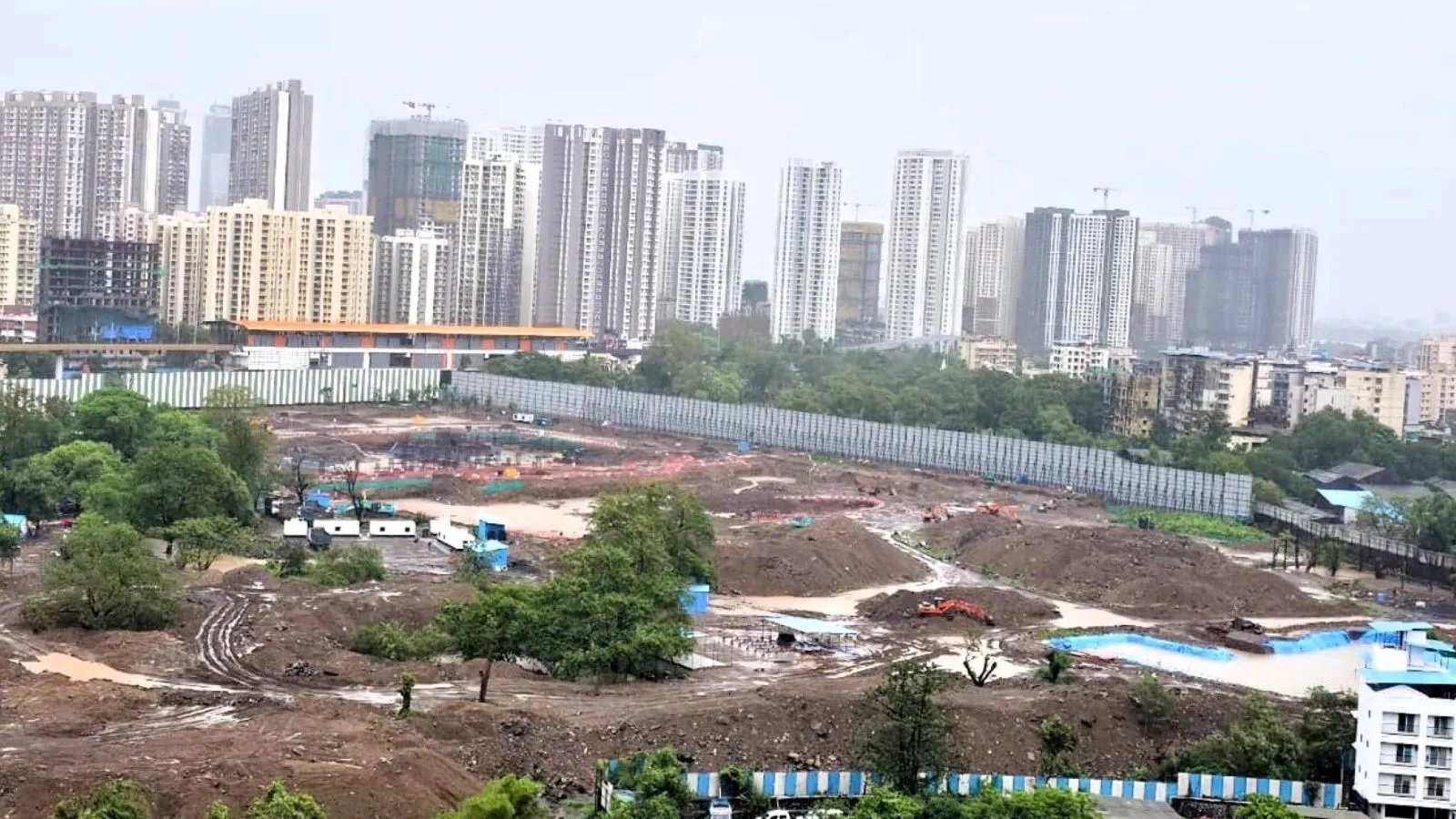
While these facilities are essential for the surging demands of Artificial Intelligence (AI) and cloud computing, their massive energy and water requirements have sparked friction. Residents in various pockets of the region, such as those near the proposed 422 MW Amazon Web Services site in Balkum, Thane, have voiced strong resistance against these developments.
The primary concerns revolve around resource competition. A data center’s “capacity” is effectively a measure of the electrical power it draws from the grid to keep servers and cooling systems operational. Residents fear that these energy-hungry facilities could strain the local grid, potentially impacting supply for households. Additionally, the cooling processes required to keep server hardware from overheating consume significant amounts of water, leading to anxieties about the pressure on local water utility networks.
Challenges in Execution
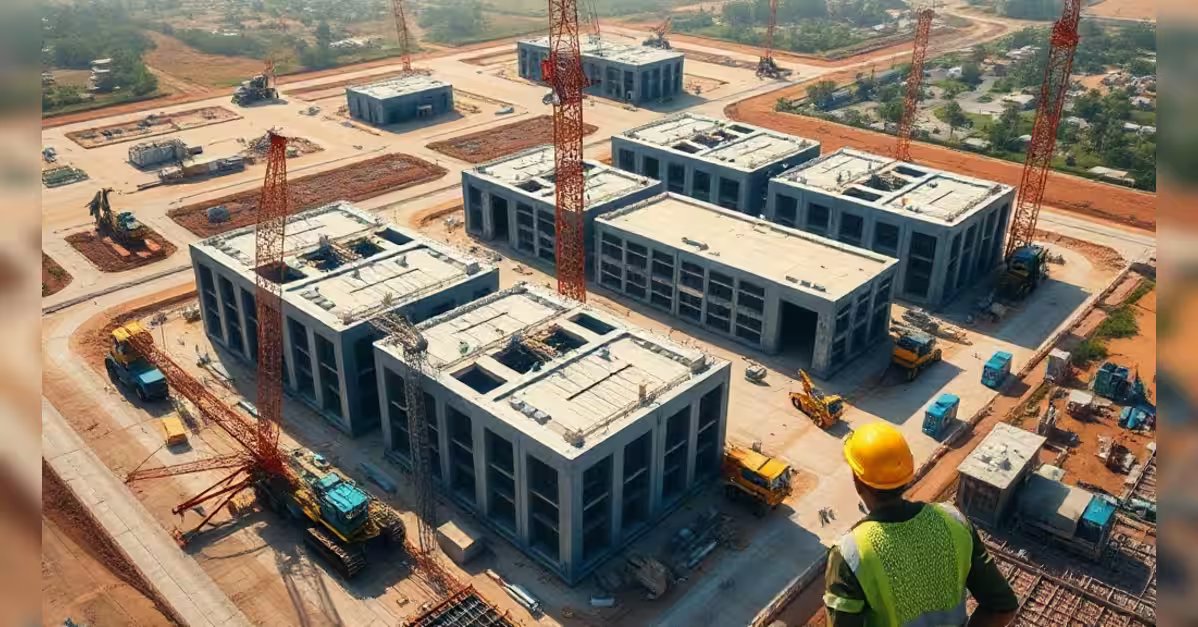
Setting up these facilities is a long-term undertaking. Projects exceeding 50 MW typically require two to three years to move from blueprint to operation. Developers face the complex task of not just erecting buildings, but installing dedicated support infrastructure, such as gas-insulated substations (GIS) and step-down power stations.
As Mumbai continues to lead India’s digital transformation, the industry faces a delicate balancing act. While the economic imperative for high-capacity data storage is clear, developers must increasingly contend with the socio-environmental realities of operating in a densely populated metropolitan area.
Disclaimer: This content is auto-generated for informational purposes only.
Source: Read Original News