








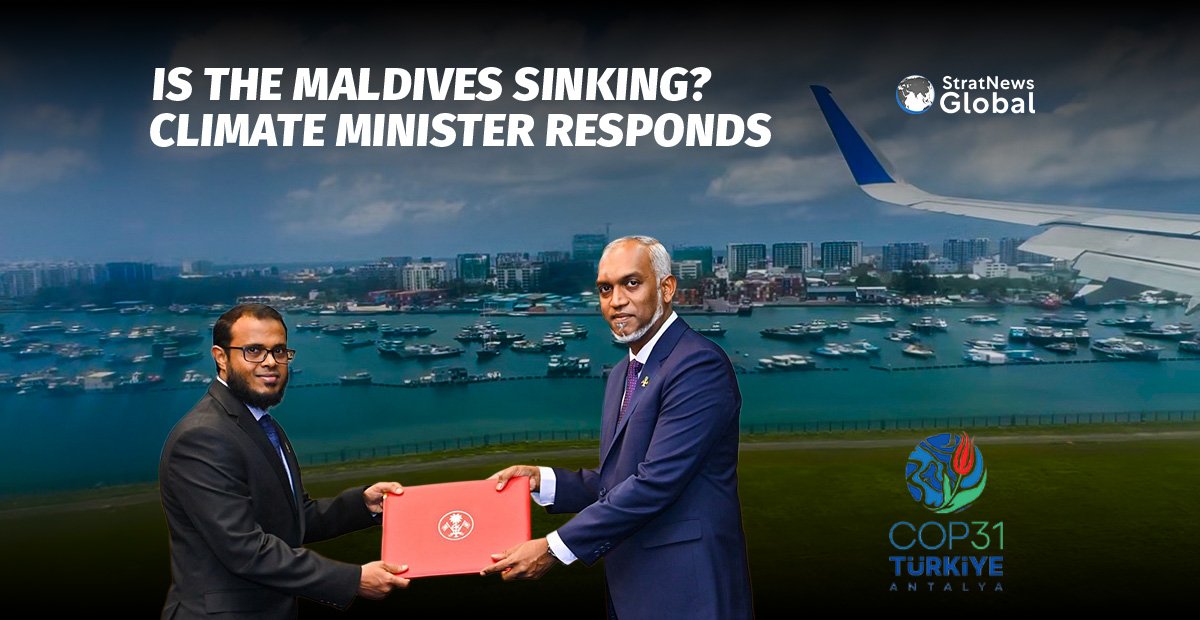
As the global climate discourse continues to shift from high-level rhetoric to the complexities of on-the-ground implementation, the Maldives finds itself at a critical juncture. Following the conclusion of the UN Climate Change Conference (COP31) in Antalya, which saw the collapse of the “Antalya Pact” without a final consensus, Maldives Climate Change, Environment, and Energy Minister Ali Shareef is emphasizing a pragmatic pivot: balancing international advocacy with immediate, localized resilience strategies.
In a recent interview, Shareef addressed the challenges facing the island nation as it grapples with the accelerating impacts of climate change, including rising sea levels, freshwater depletion, and the mounting costs of infrastructure adaptation. Despite the failure of COP31 to yield a comprehensive political agreement, the Minister remains committed to the multilateral process while acknowledging that for a nation on the frontlines, “implementation must not become a substitute for ambition.”
For the Maldives, that ambition is currently measured by the 1.5°C goal of the Paris Agreement, which Shareef notes is already widely perceived by Small Island Developing States (SIDS) as having been breached. The core of the Maldivian agenda, spearheaded by President Mohamed Muizzu, is the demand for predictable, grant-based climate finance. Shareef argues that the country’s classification as an upper-middle-income nation often unfairly limits its access to concessional support, ignoring the reality that its per-capita adaptation costs are among the highest in the world.
To address this, the government is pushing for the broader adoption of the Multidimensional Vulnerability Index (MVI) by international financial institutions, ensuring that eligibility for grants is determined by climate exposure rather than just economic output. “Countries on the frontline of climate impacts should not be expected to borrow their way out of a crisis they did little to cause,” Shareef stated.
Domestic efforts to bolster resilience are moving forward on several fronts. The “Five Million Trees” initiative, launched in 2024, has already surpassed the halfway mark, serving as a pillar for ecosystem restoration and soil stabilization. Simultaneously, the nation is aggressively pursuing a target of 33% renewable energy generation by 2028. This transition faces unique hurdles, particularly the geographic dispersion of the Maldivian islands, which makes grid stability and battery storage integration technically complex.
Addressing the controversial topic of land reclamation projects like Rasmalé, the Minister rejected the narrative that such infrastructure necessitates the destruction of natural reef defenses. He argued that the government seeks a balanced approach where climate-resilient housing and infrastructure coexist with ecosystem conservation, guided by scientific assessments.
The Minister also addressed the country’s diplomatic balancing act. As the Maldives engages with partners ranging from India to China on energy infrastructure and early-warning systems, Shareef stressed that the country’s approach remains “partner-neutral and results-oriented.” Projects such as floating solar installations—already being deployed at high-end resorts—are seen as essential for reducing the nation’s heavy reliance on imported diesel.
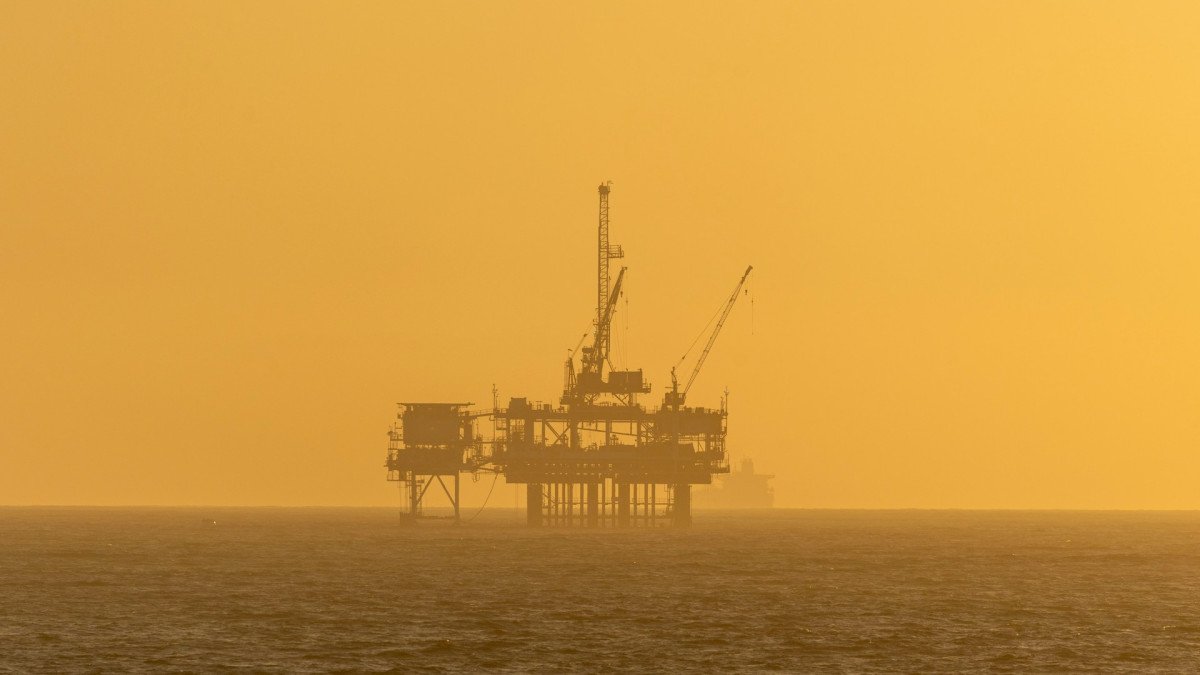
Furthermore, Shareef clarified the government’s stance on recent moves to explore the country’s Exclusive Economic Zone (EEZ) for oil and gas. He maintained that scientific exploration does not signal a retreat from climate commitments. “Any future decisions would be informed by economic, environmental, legal and climate considerations,” he noted, emphasizing that the focus remains on long-term sustainability rather than shifting to fossil-fuel production.
As the Maldives navigates this complex landscape of debt, development, and environmental survival, the focus has shifted away from the symbolic gestures of the past—such as the 2009 underwater cabinet meeting—toward the technical realities of coastal protection and energy security. For Minister Shareef, the measure of success is clear: the ability to keep Maldivians on their ancestral islands through tangible, science-led, and financially sustainable adaptation.
Disclaimer: This content is auto-generated for informational purposes only.
Source: Read Original News