





A major overhaul of the UK’s water management system is underway as the government announces that millions of pounds in fines levied against water companies will be directly reinvested into the restoration of rivers and waterways. The initiative marks a decisive shift in how environmental penalties are handled, ensuring that the financial consequences of corporate pollution translate into tangible ecological recovery for local communities.
The Department for Environment, Food and Rural Affairs (Defra) confirmed that a new wave of funding is being distributed to projects across the country, targeting critical water quality issues and habitat degradation. This policy move follows a period of heightened public and regulatory scrutiny regarding the state of Britain’s water infrastructure. Notably, earlier this year, South West Water was ordered to pay nearly £8 million in fines after pleading guilty to environmental offences. While the utility company maintained that the charges related to historic pollution and emphasized its ongoing commitment to achieving cleaner rivers and seas, the substantial fine serves as a cornerstone for this new funding stream.
The scope of the investment is broad, spanning a diverse range of conservation efforts. According to Defra, 28 projects in Devon and Cornwall alone, along with 18 projects within the Environment Agency’s Wessex area, are set to benefit.
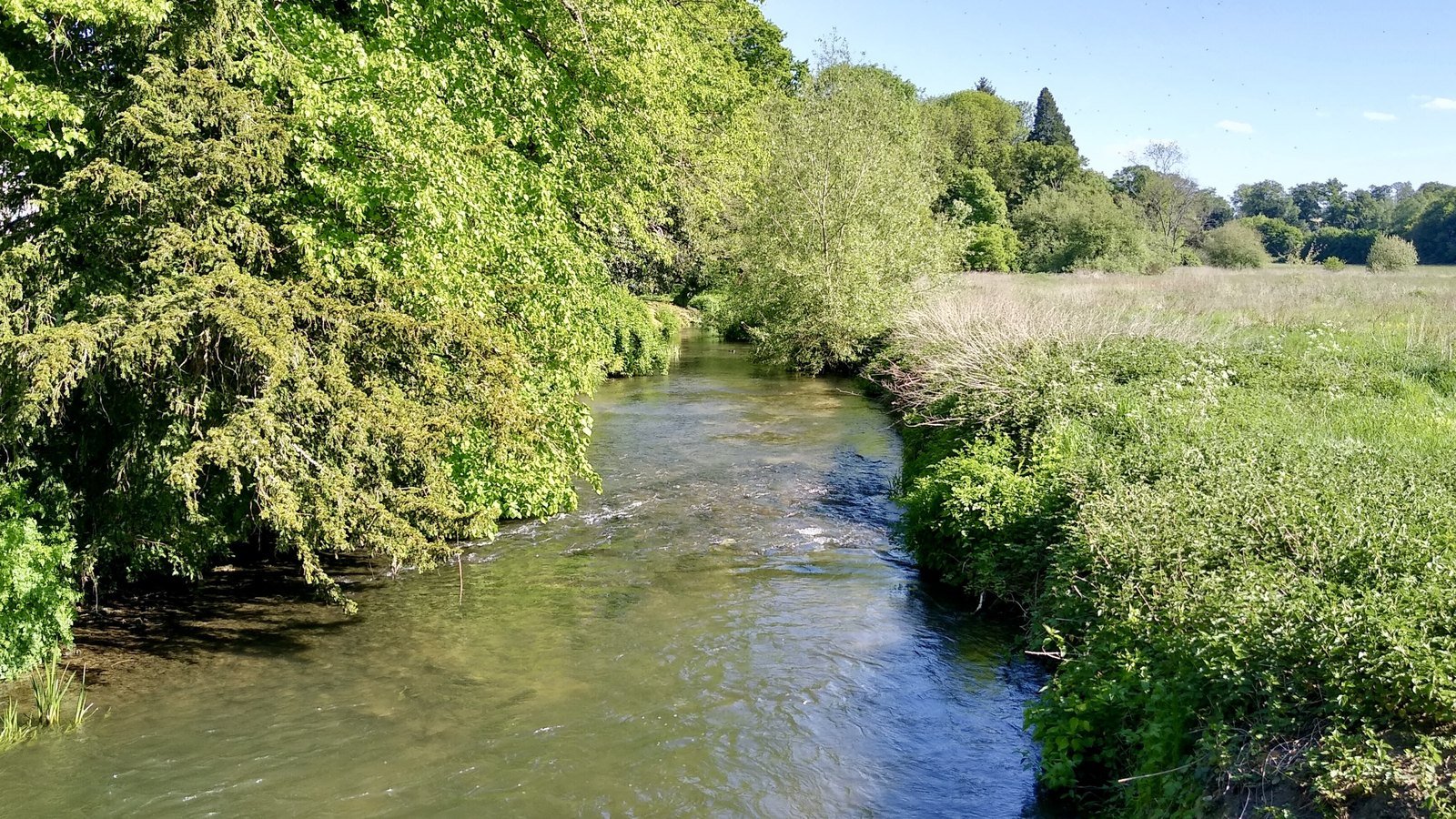
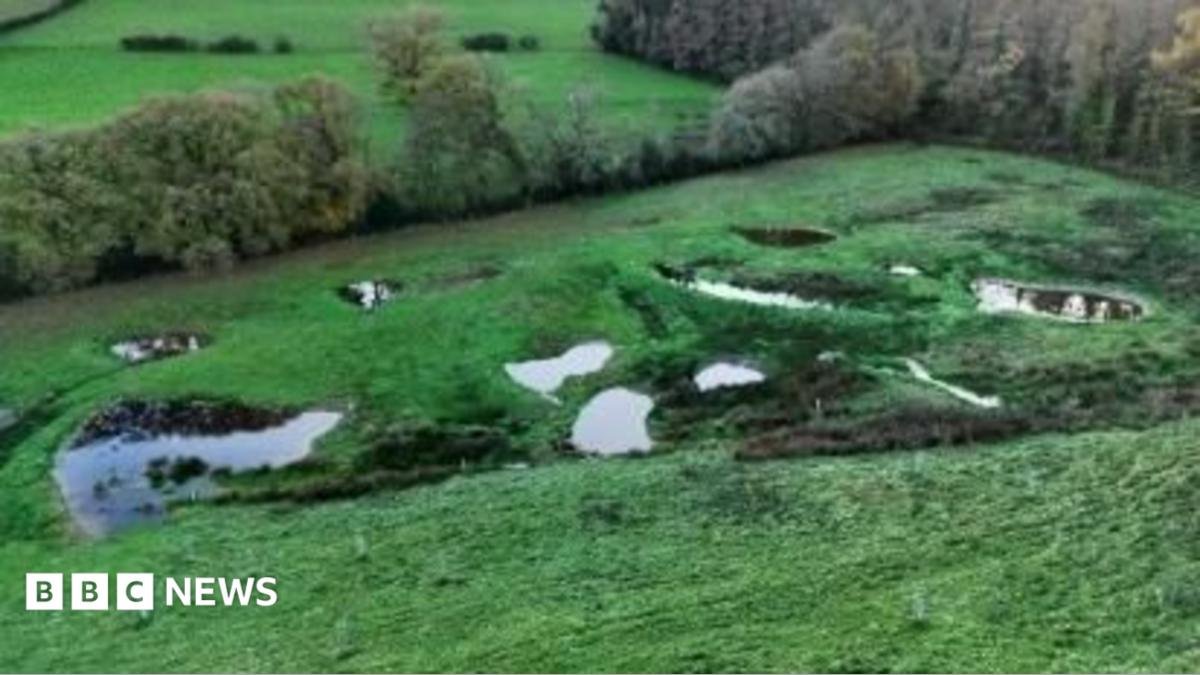
Among the recipients is the Severn Vale Catchment Partnership, which has been awarded £60,000 for its “Wilder Frome” project. This endeavor focuses on one of the UK’s most significant rivers for migratory fish. George MacDonald-Clark, the project’s manager, highlighted the systemic benefits of such investment. “From helping fish move freely through the river again, to improving water quality and restoring important wetland and floodplain habitats, the funding has supported work that is creating a healthier and more resilient river,” he said.
The ecological restoration efforts are wide-reaching, combining long-term nature-based solutions with immediate environmental repair. The North Devon UNESCO Biosphere Foundation, which has already successfully planted 200,000 trees to combat runoff and improve water quality, will receive an additional £90,000 to facilitate the planting of 42,000 more. Similarly, the Devon Wildlife Trust is slated to receive £70,000 to develop 70 specialized farm improvement plans. These plans are designed to help agricultural businesses tackle the root causes of water pollution and implement sustainable, nature-based land management techniques.
The impact of this funding extends beyond the South West. Projects across the nation are receiving support, including a dedicated water vole recovery scheme on the River Wey in Surrey and the creation of a new saltmarsh on the banks of the River Tyne in Newcastle. These projects are essential components in the government’s wider strategy to repair an ailing water system that has come under fire for failing both people and nature.
Government officials have described the move as a fundamental realignment of environmental accountability. “The water system has failed people and nature, and we are determined to put that right,” a government spokesperson stated. By establishing a direct link between punitive fines and environmental restoration, the government aims to ensure that the ecological cost of water mismanagement is paid back directly into the ecosystems that were damaged.
As these 46 initial projects get underway, the strategy signals a new chapter for UK conservation. By prioritizing the restoration of floodplains, the removal of barriers to fish migration, and the reforestation of riverbanks, authorities hope to build a more resilient landscape capable of weathering future environmental pressures. For local communities, the funding represents a long-awaited effort to restore the health and vitality of their local waterways.
Disclaimer: This content is auto-generated for informational purposes only.
Source: Read Original News