






In a significant shift in environmental policy, the UK government has announced that millions of pounds in fines levied against water companies for pollution and regulatory breaches will be redirected into direct environmental restoration projects. Previously, these penalty payments were channeled into the general treasury, a practice that drew sharp criticism from environmental groups who argued that the funds failed to provide tangible benefits to the damaged ecosystems.
The new initiative, overseen by the Department for Environment, Food and Rural Affairs (Defra) and the Environment Agency, aims to establish a transparent, hypothecated fund dedicated specifically to repairing the damage caused by sewage spills and industrial runoff. By ring-fencing these financial penalties, the government intends to ensure that the monetary consequences of corporate environmental negligence translate into measurable improvements for local waterways, wetlands, and coastal habitats.
For years, water companies have faced mounting public and political pressure due to the frequency of untreated sewage discharges. Between 2020 and 2023, record-breaking fines reached tens of millions of pounds, yet the perceived lack of accountability—often described by critics as a “cost of doing business”—remained a sticking point. Under the new framework, the funds will be deployed through a combination of national schemes and localized grants, allowing community groups, conservation charities, and local councils to bid for resources to restore biodiversity and improve water quality in affected river catchments.
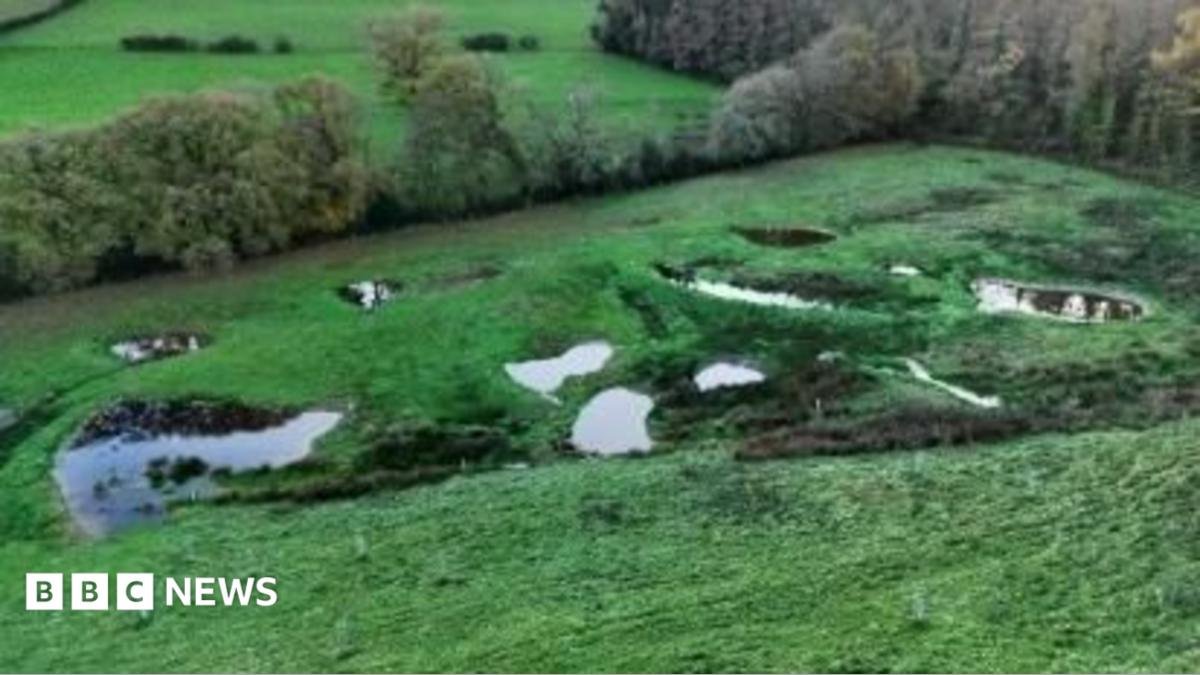
The Environment Agency has indicated that the restoration projects will prioritize nature-based solutions. These may include the re-meandering of rivers to improve natural filtration, the restoration of peatlands to manage water runoff, and the creation of reed beds designed to naturally process pollutants. By focusing on ecological recovery, the government hopes to address the long-term degradation caused by nutrient overloading and toxic discharge, which has frequently rendered popular swimming spots and sensitive wildlife habitats hazardous.
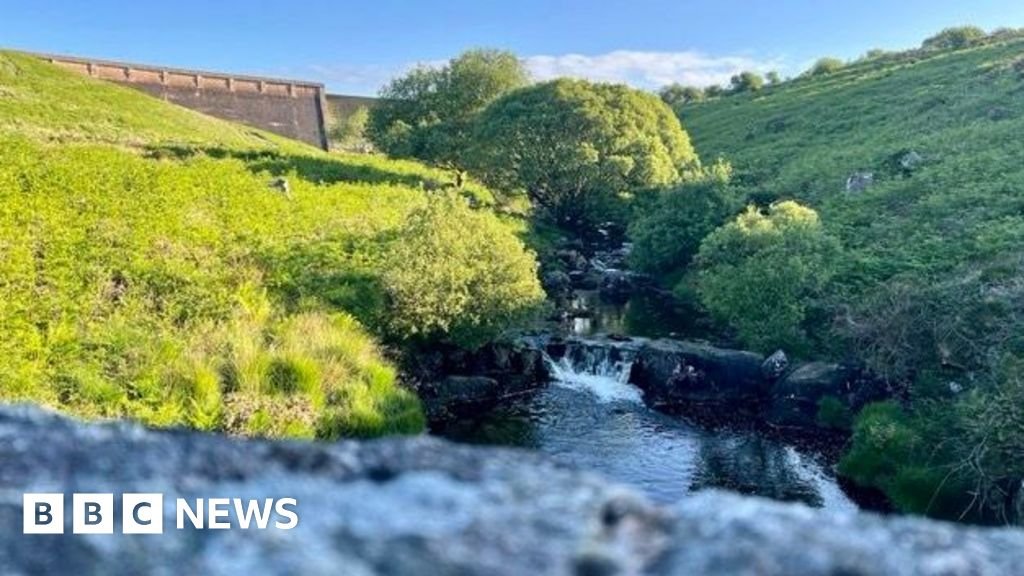
Environmental advocates have cautiously welcomed the move, viewing it as a necessary step toward holding utility providers accountable. “For too long, the fines paid by water companies felt like a hollow gesture,” said a spokesperson for a leading river conservation charity. “Redirecting this money toward the rivers that actually suffered is a logical and much-needed correction. However, the scale of the ecological crisis requires more than just remedial funding; it requires a systemic change in how these companies operate and how infrastructure is updated.”
The policy change also serves as a strategic pivot for the Environment Agency, which has faced budgetary constraints that have hampered its ability to conduct extensive restoration work independently. By utilizing funds paid by polluters, the Agency can now scale its “Water Environment Improvement Fund,” effectively turning punitive measures into proactive environmental capital.
Water companies, meanwhile, have signaled a willingness to cooperate, acknowledging that public trust in the sector has reached an historic low. Industry representatives have stated that they are committed to working with regulators to ensure these funds are directed toward high-impact projects that complement their ongoing efforts to upgrade aging sewage infrastructure.
While this influx of capital represents a substantial boost for conservation efforts, experts caution that it is not a panacea. The underlying issue of aging Victorian-era infrastructure and the increasing pressure from climate-induced flooding remains a monumental challenge. Current estimates suggest that upgrading the entire sewage network to prevent overflows would cost tens of billions of pounds—a figure far exceeding the total value of collected fines.
Nevertheless, the redirection of these penalties marks a pivotal shift in environmental governance. By tethering corporate financial penalties directly to the remediation of damaged ecosystems, the government is introducing a model of “polluter pays” that is both transparent and physically grounded in the landscape. As the first wave of projects is expected to launch later this year, the public will be watching closely to see if these investments can successfully reverse the decline of the nation’s rivers and restore the health of its broader aquatic environments.
Disclaimer: This content is auto-generated for informational purposes only.
Source: Read Original News