






The upcoming board meeting of Tata Sons represents a critical juncture for one of India’s most storied business conglomerates. As the holding company for the multi-billion-dollar Tata Group, Tata Sons is currently navigating a complex confluence of regulatory mandates, internal power dynamics, and long-term strategic disagreements. The outcome of the scheduled discussions will not only determine the governance trajectory of the group but also signal how India’s largest corporate house balances the demands of modern financial regulation with its legacy philanthropic foundations.
Regulatory Pressures and the Listing Conundrum
At the core of the current boardroom friction is the Reserve Bank of India’s (RBI) classification of Tata Sons as an Upper-Layer Non-Banking Financial Company (NBFC-UL). This regulatory status carries significant obligations, primarily the requirement to list the company on public stock exchanges. For the Tata Group, which has traditionally operated under the protective umbrella of private ownership, an Initial Public Offering (IPO) represents a fundamental shift in its operational philosophy.
The RBI’s directives have left the board with a narrow window to formulate an implementation plan. With the December 11 deadline looming, the pressure to demonstrate compliance is immense. However, the leadership at Tata Trusts, the majority shareholder, has pushed back against the forced listing. The argument presented by Noel Tata and his camp suggests that transitioning into a public entity would subject the group to the pressures of short-term quarterly market expectations, potentially diluting the ability to pursue the long-term, patient capital strategies that have defined Tata’s growth for over a century. Proposing a restructuring of the entity to avoid the NBFC-UL tag is a strategic maneuver designed to circumvent these regulatory requirements, though the feasibility of such a pivot remains a point of deep contention.
Leadership Dynamics and Boardroom Governance
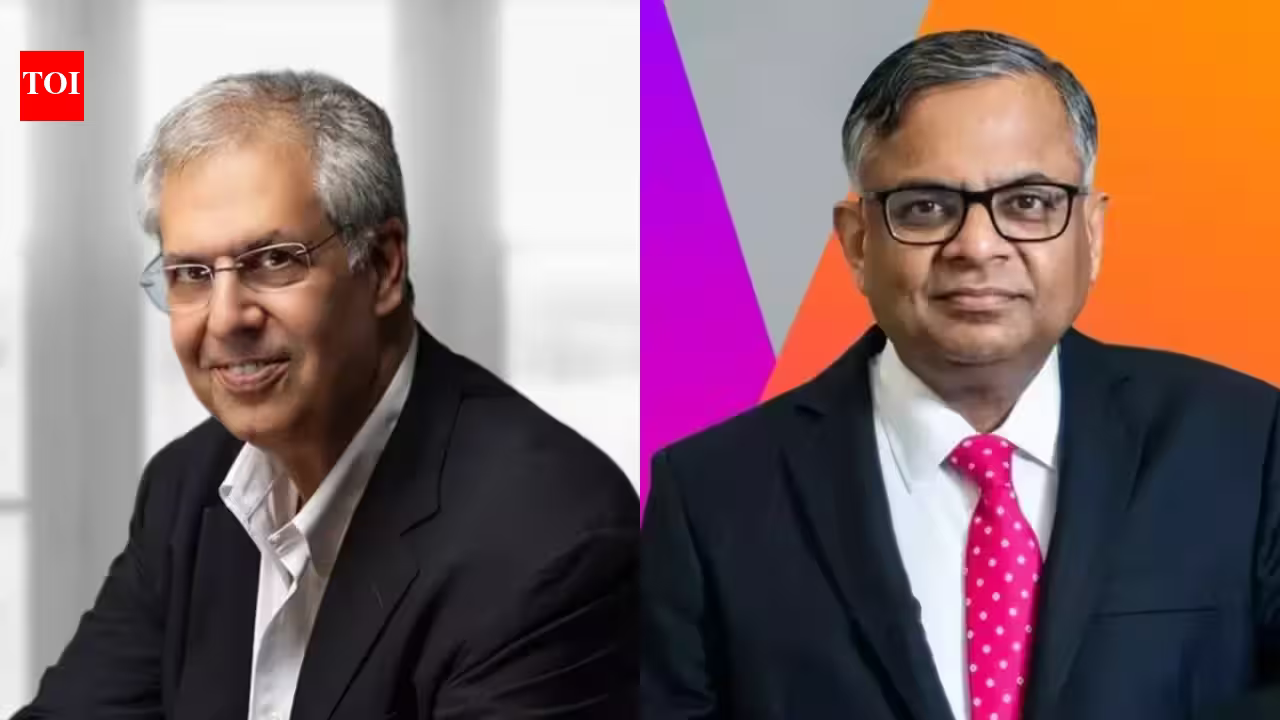
The reappointment of N Chandrasekaran as Chairman of Tata Sons has evolved from a routine administrative decision into a primary flashpoint of the current leadership crisis. The division within the board reflects broader concerns regarding the direction of the group under current management. While the board has previously favored Chandrasekaran’s continuation—citing his efforts in digitizing the group and streamlining its sprawling operations—the opposition from the head of the majority shareholder, Tata Trusts, signals a disconnect between ownership and executive stewardship.
The dispute is further complicated by procedural disagreements. Allegations regarding how resolutions were passed during recent meetings—specifically whether quorum was maintained and if votes were taken in the absence of key stakeholders—have introduced legal volatility into the boardroom. The intervention of the Bombay High Court, while not providing immediate relief to the plaintiffs, has left the door open for future litigation. This ensures that any decision made on Monday, particularly regarding top-level leadership or the IPO, will be scrutinized under the lens of corporate governance best practices. The internal struggle highlights the difficulty of managing a conglomerate where the interests of philanthropic trusts and commercial executive boards do not perfectly align.
Financial Restructuring and the Shapoorji Pallonji Exit
Parallel to the governance debate is the pragmatic need to address the liquidity concerns of the Shapoorji Pallonji (SP) Group. The proposal to offer a partial exit to the SP Group, potentially unlocking approximately Rs 25,000 crore, is a significant agenda item. Given the valuation of Tata Sons, which is estimated in the range of Rs 15-18 lakh crore, a structured buyback or a divestment of certain listed holdings represents a substantial shift in the group’s capital allocation.
Providing liquidity to the SP Group serves two purposes: it addresses the financial constraints of a long-standing shareholder and potentially cleans up the shareholding structure of the holding company. If executed correctly, this could consolidate the group’s internal stability. However, the methodology—whether through internal resources or by liquidating stakes in profitable group companies—raises questions about the group’s future capital expenditure requirements, especially at a time when major entities like Air India and the electronics manufacturing arm, Agratas, require heavy investments to reach scale.
Strategic Investments and Long-term Vision
Beyond the immediate legal and regulatory hurdles, the board must address the performance and capital needs of key subsidiaries. The group’s aggressive expansion into high-tech manufacturing, such as semiconductor assembly and electric vehicle ecosystems, requires a stable and well-funded parent entity. Concerns raised by the chairman of Tata Trusts regarding the performance of certain businesses, such as the turnaround progress at Air India and the electronics sector, suggest that there is no consensus on the current pace of capital deployment.
In the Indian business context, the Tata Group is often viewed as a proxy for the nation’s economic health. The group’s transition from a collection of diverse, siloed companies to a more integrated, digital-first entity under the current management has been transformative. However, the current tension suggests that this transformation has come at the cost of traditional, consensus-based decision-making. Investors and stakeholders will be watching to see whether the board can reconcile the need for capital-intensive growth with the conservative, trust-based oversight that has historically acted as a stabilizer for the group.
The Road Ahead for Bombay House
The gathering at Bombay House is more than just a regular board meeting; it is a test of the group’s institutional resilience. With the Bombay High Court signaling that its final judgment could retroactively affect current resolutions, the board is operating under a cloud of legal uncertainty. The ability of the board to pass resolutions that satisfy both the regulatory demands of the central bank and the governance requirements of the majority shareholder is paramount.
If the board moves forward with the IPO process despite the opposition from Tata Trusts, it could signal an era of increased executive independence, possibly distancing the group from its traditional oversight mechanisms. Conversely, if the group succeeds in restructuring to avoid the listing, it must demonstrate to the regulators that it can maintain robust governance standards as a private entity. As India continues to integrate deeper into global financial markets, the resolution of these internal Tata disputes will set an important precedent for how large, promoter-led conglomerates manage the transition to modern, transparent, and externally regulated corporate structures. The coming days will be decisive in determining whether the conglomerate can preserve its unique identity while navigating the pressures of the modern financial landscape.
Disclaimer: This content is auto-generated for informational purposes only.
Source: Read Original News