







The mobile landscape in 2026 has been defined by a troubling convergence in design philosophy. While competition has always driven feature parity, the current trend suggests that many Android manufacturers have abandoned their unique design identities in favor of direct imitation of Apple’s iOS. This shift is particularly striking as it moves beyond simple functional requirements and into the realm of aesthetic cloning.
The Persistent Trend of Apple Imitation
For years, the Android ecosystem thrived on diversity. While brands like Xiaomi, Oppo, and Honor have frequently been cited for hardware designs that mirror Apple’s aesthetic, they are not alone in this tendency. This phenomenon is rarely accidental; it represents a calculated decision to align with the market perception of premium mobile hardware.
However, major players like Google and Samsung have historically maintained distinct visual languages. Google’s Material 3 design philosophy, with its emphasis on color extraction and adaptive UI, remains one of the few truly differentiated user experiences. Samsung’s One UI, while occasionally adopting design cues from its competitors—such as the integration of Liquid Glass aesthetics or rumors of a Dynamic Island-style notification system—generally retains enough proprietary character to feel like a unique ecosystem. Yet, as the industry matures, even these titans are feeling the pressure to streamline their software to match the familiarity offered by iOS.
Motorola’s Departure from its Roots
Motorola historically functioned as an outlier within the Android market. By focusing on a clean software experience and distinct physical design language that emphasized color and material variety, the company built a portfolio that felt independent of the Apple-centric binary. Its dominance in the budget and mid-range sectors allowed it to bypass the “beating Apple” narrative that fuels the flagship wars.
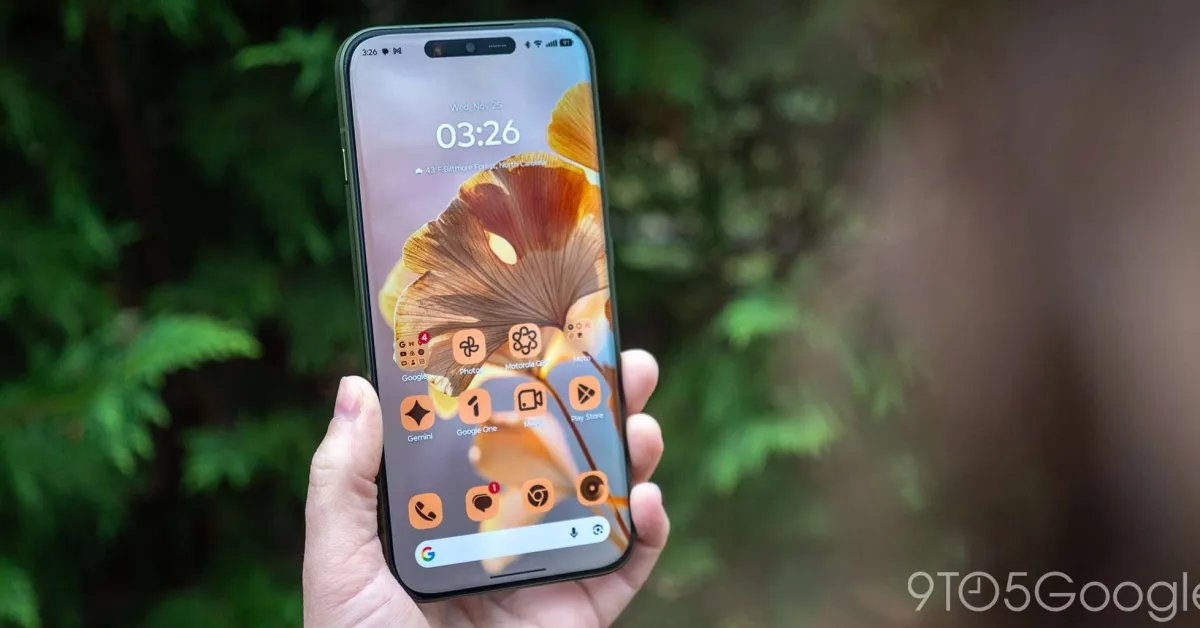
However, the recent release of the Motorola Signature 27 suggests a fundamental shift in strategy. Early impressions indicate that Motorola has begun to incorporate UI elements that lean heavily into the Apple visual vernacular. The quick settings, notification shade, and navigation indicators bear a striking resemblance to iOS, signaling that even companies known for their autonomy are susceptible to the pressure of conformity. This departure is concerning for users who seek out the Android platform precisely for its divergence from the rigid, centralized design of the iPhone.
The Paradox of Copying a Flawed Design
A critical irony exists in the current trend toward iOS mimicry. In recent years, Apple’s software design has faced significant criticism, with users frequently citing increased instability and the divisive nature of the “Liquid Glass” aesthetic. Apple’s decision to offer users the ability to tone down these visual effects serves as an admission that the design language is not universally favored.
When Android manufacturers choose to copy these specific design elements, they are not merely adopting a successful UI; they are inheriting the same critiques directed at the iPhone. The Android ecosystem currently provides a platform for innovation and utility that is increasingly rare in the smartphone market. By choosing to mirror a competitor that is currently navigating its own design crisis, these brands risk alienating their core user base—a group that values Android specifically for its flexibility and distinctiveness.
The Value of Brand Identity
There is a measurable business risk in sacrificing brand identity to chase a competitor’s shadow. A consistent, recognizable design language builds long-term loyalty. When a manufacturer adopts the UI patterns of another platform, it creates a confusing experience for long-time users and removes the primary motivation for customers to choose one Android brand over another.
If all phones gravitate toward the same visual standards, the hardware becomes a commodity where only raw specifications matter. This environment favors the largest incumbents and discourages the kind of creative software development that once propelled Android to the forefront of mobile innovation. Instead of investing resources into cloning iOS, these companies could be refining their own UI languages, improving accessibility, or developing better integration between their hardware and the underlying Android OS.
Future Outlook for Android Design
As 2026 progresses, it remains to be seen whether this homogenization will persist or if a counter-movement will emerge. The market currently favors a “safe” design approach, where familiar gestures and layouts are prioritized to reduce the learning curve for new users. However, this safety comes at the cost of innovation.
For Android to remain relevant and competitive, manufacturers must pivot back toward functional uniqueness. The current saturation of iPhone-like clones provides a clear opening for brands that are willing to embrace a bold, independent visual identity. Whether through better implementation of generative AI agents in the OS or a return to highly personalized UI layouts, the Android ecosystem has the potential to offer a genuine alternative rather than a duplicate. The question is whether these companies will prioritize short-term market optics over the long-term health of their brand identity.
Disclaimer: This content is auto-generated for informational purposes only.
Source: Read Original News