







When the weather turns rainy, our thoughts usually drift toward staying warm and dry indoors. However, heavy downpours often bring a less pleasant reality to the surface: the dreaded blocked drain. If you have noticed water pooling around your property or your kitchen sink is taking longer than usual to empty, you are likely dealing with a buildup of debris that needs quick attention before the next storm hits.
The good news is that you do not need to call a professional or invest in harsh, expensive chemical cleaners to get things flowing again. A simple kitchen staple—your trusty bottle of washing-up liquid—might be all you need to resolve the issue.
The Magic of Soap and Heat
For drains specifically connected to your kitchen sink, fat, oil, and grease are usually the primary suspects. While liquid grease seems harmless when it slides down the drain, it quickly cools and hardens as it travels through the pipework. Over time, this thick, sticky layer acts like a magnet, snagging food scraps, soap scum, and hair until a solid plug forms.
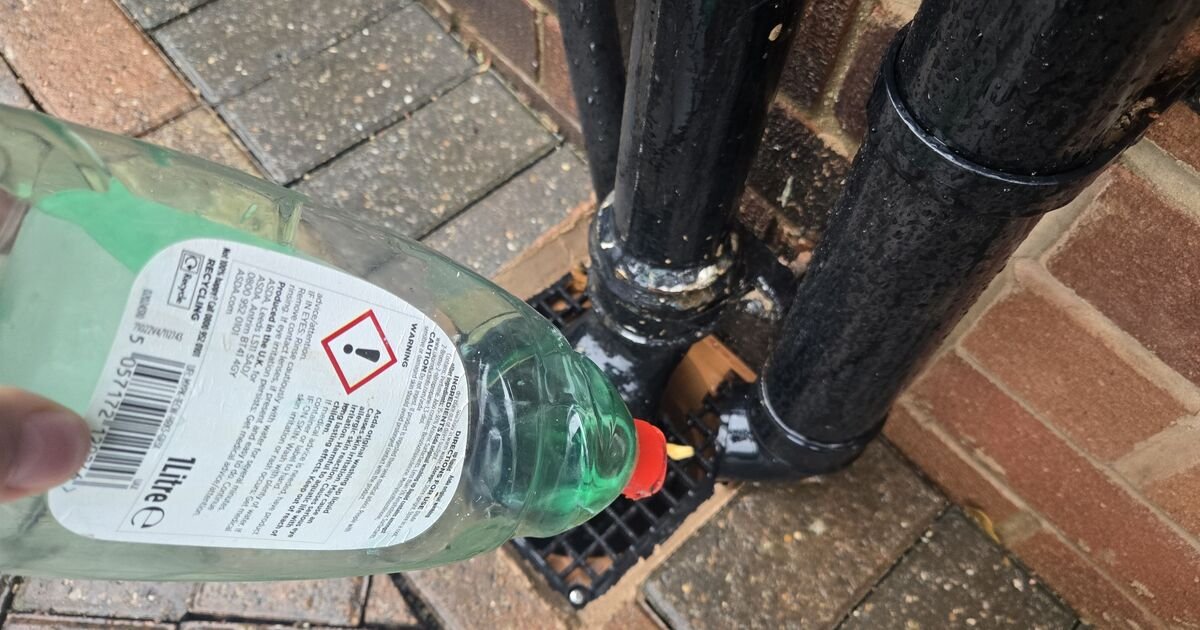
To tackle this, you can use a combination of heat and soap. Boil a kettle of water and mix it with a generous squirt of washing-up liquid. Pour the solution slowly down the kitchen drain. The heat works to soften and melt the hardened fats, while the detergent breaks down the oils, allowing the entire mass to flush through the system. If the blockage is stubborn, do not be afraid to repeat the process a few times. Patience is key here; pouring the mixture slowly allows the ingredients to do their work rather than just rushing past the obstruction.
Know Your Drains Before You Start
It is vital to distinguish between different types of drainage systems around your home. The washing-up liquid method is intended only for pipes connected to your kitchen sink. Drains specifically designed to handle rainwater are a different matter.
If you attempt to clear a rainwater-only drain with standard dish soap, you risk harming the local environment. Most conventional detergents contain chemicals that are detrimental to watercourses and local wildlife. If you are dealing with a surface drain that is clogged with leaves, mud, or litter, skip the soap entirely. Instead, use a more natural approach such as a mixture of baking soda and vinegar, or simply clear the physical debris by hand using a pair of gloves.
Choosing Environmentally Kind Supplies
If you want to keep your home maintenance routine as green as possible, pay attention to the labels on your cleaning supplies. Many households are switching to plant-based dish soaps that do not rely on harsh synthetic surfactants. These formulas are not only gentler on your pipes but also significantly safer for the ecosystem if they happen to end up in the wastewater system. Making this small switch is an easy win for both your plumbing and the planet.
Prevention is Easier Than the Cure
Once you have successfully cleared the blockage, you will want to ensure it does not happen again. The most effective way to protect your pipes is to keep the “bad stuff” out in the first place.
Start by wiping your plates, pans, and bowls with a paper towel before you put them in the sink. This simple habit removes the majority of fats and oils before they ever touch your pipes. Additionally, investing in a high-quality sink strainer is a game-changer. These inexpensive little tools act as a barrier, catching food particles, rice, and debris that would otherwise settle in your plumbing.
Finally, do not forget about your outdoor areas. Keep your gullies and drain covers free from autumn leaves, twigs, and litter. A clear exterior path ensures that when the next heavy rain warning is issued, your home is prepared to handle the volume without turning into a pond. With these minor adjustments, you can keep your drainage system working perfectly throughout the wettest seasons of the year.
Disclaimer: This content is auto-generated for informational purposes only.
Source: Read Original News