







German Industry Deepens Roots in Tamil Nadu as Manufacturing Pivot Accelerates
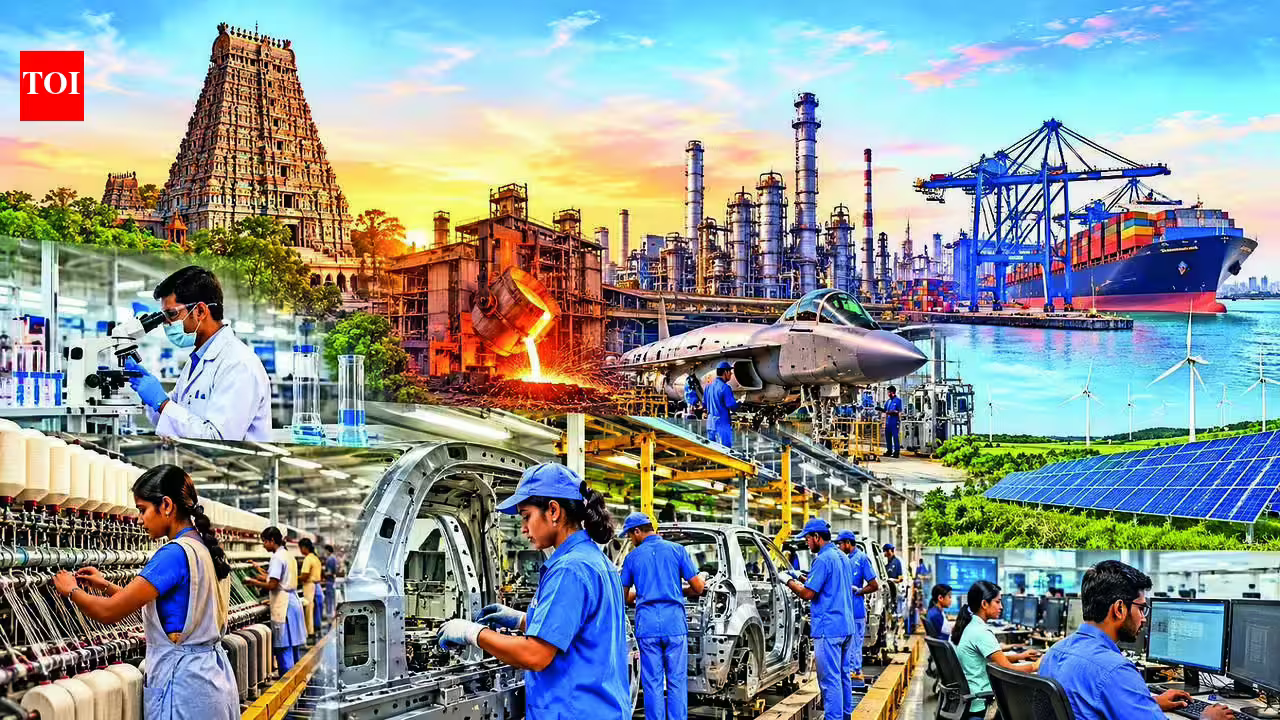
The industrial corridor of Tamil Nadu is witnessing a surge in German investment, signaling a transformative shift in the state’s economic landscape. As global manufacturing strategies evolve, Chennai has emerged as a premier destination for German corporations looking to diversify their supply chains beyond traditional bases in China. This renewed momentum follows the recent milestone celebration of the Indo-German Chamber of Commerce (IGCC) in Chennai, which marked 60 years of fostering bilateral trade.
A Magnet for Global Capital
The scale of capital inflow into the region is substantial and diverse. Automotive giant Daimler Truck has committed an additional ₹4,000 crore to bolster its regional manufacturing capabilities. Simultaneously, Munich-based Knorr-Bremse is establishing a new ₹2,000 crore facility in Sriperumbudur to produce sophisticated components for rail systems and commercial vehicles. In the sustainable energy sector, Nordex has earmarked ₹1,000 crore for equipment manufacturing.
According to Sahil Khatri, head of the German India Round Table (GIRT) in Chennai, the narrative has shifted dramatically. Where once German firms questioned the viability of an Indian entry, they now focus on identifying the most strategic locations within the country. The state’s mature industrial ecosystem, availability of skilled engineering talent, and well-established supplier networks serve as the primary pillars attracting these firms.
Leveraging the ‘Mittelstand’ Opportunity
A significant focus for future growth lies in engaging Germany’s Mittelstand—the country’s vital network of specialized, family-owned industrial businesses. With over 5,000 German companies operating in China compared to roughly 2,000 in India, experts believe there is massive headroom for expansion.
Ranjit Pratap, chairman of the IGCC’s Southern Region Council, emphasizes that high manufacturing costs in Europe are compelling these “hidden champions” to look abroad. This creates a prime opportunity for Indian Micro, Small, and Medium Enterprises (MSMEs) to enter into strategic partnerships. By collaborating, local firms can integrate into the global value chains of these German specialists, gaining access to advanced technology and European markets.
Building Tech-Led Ecosystems
The presence of ZF Group exemplifies the maturation of this relationship. With over ₹5,500 crore invested in the state as of March 2026 and a workforce of nearly 8,000, the company has successfully integrated Tamil Nadu into its global operations. Beyond assembly lines, the state is becoming a hub for high-end research and development. The ZF Technology Centre in Chennai alone employs roughly 800 engineers, highlighting a shift toward R&D-driven operations.
State Industries Minister S. Keerthana, who recently spearheaded efforts to showcase Tamil Nadu’s strengths to German stakeholders, notes that the government is actively targeting high-quality capital. “We are seeking investments that bring innovation, technology transfer, and high-skilled employment,” the minister stated.
The FTA Catalyst
The anticipated India-EU Free Trade Agreement (FTA), projected for implementation in the second half of 2027, is expected to further incentivize local production. Industry experts suggest the agreement will reward companies that prioritize “Make in India,” providing a fillip to local manufacturers looking to export to European markets.
As Jan Noether, director general of the IGCC, aptly puts it, the era of relying solely on exports to India is waning. For German companies to remain competitive, a robust local footprint is no longer optional—it is essential. For Tamil Nadu, the success of this strategy hinges on continued collaboration, ensuring that the state remains the preferred gateway for German industrial prowess in the years ahead.
Disclaimer: This content is auto-generated for informational purposes only.
Source: Read Original News