









The Evolving Landscape of Digital Payments in India
The Indian digital payments ecosystem has undergone a monumental transformation over the past decade, largely fueled by the rapid adoption of the Unified Payments Interface (UPI). By facilitating seamless, real-time, and cost-effective transactions, UPI has successfully democratized digital finance. However, as the ecosystem matures, the framework governing its commercial viability—specifically the Merchant Discount Rate (MDR)—has become a subject of intense debate. The recent discourse sparked by the IIT Bombay report highlights a fundamental tension between maintaining a zero-cost consumer experience and ensuring the long-term fiscal sustainability of the payment infrastructure.
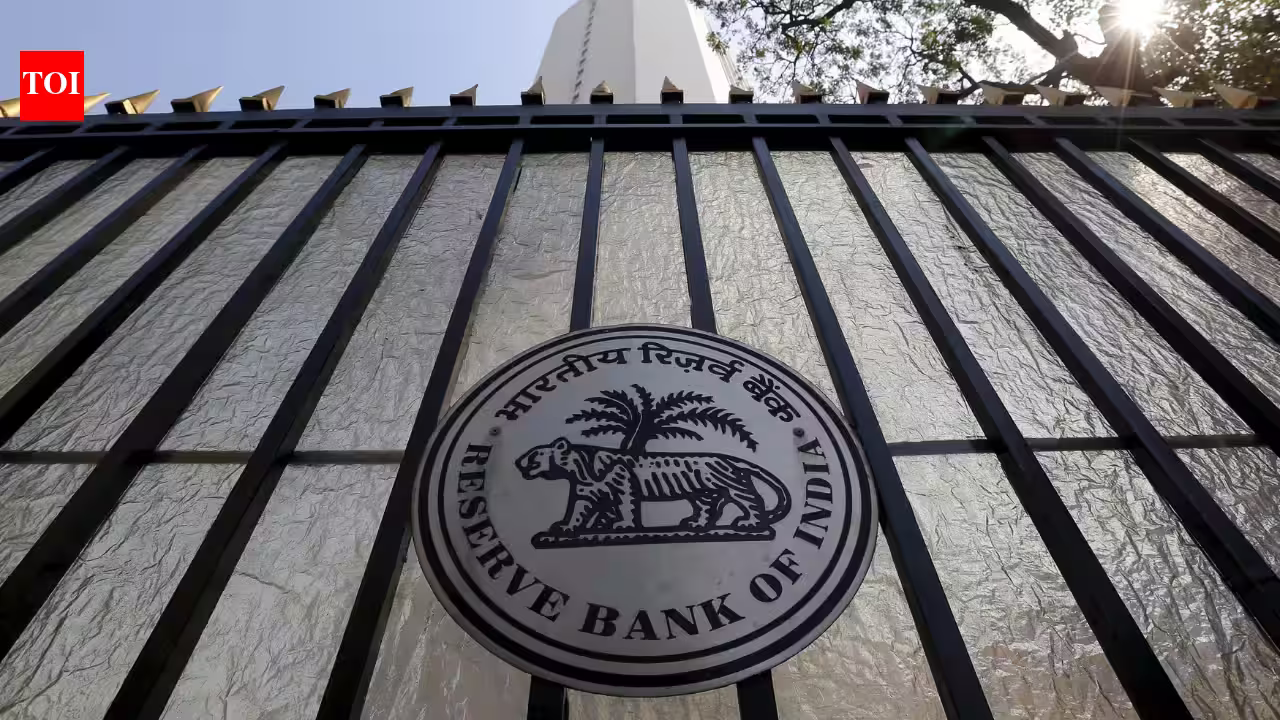
With the government’s decision in September 2026 to lift the zero-MDR mandate for person-to-merchant (P2M) transactions exceeding Rs 2,000, the industry reached a critical turning point. The subsequent actions taken by the National Payments Corporation of India (NPCI) to establish a new fee structure have now come under scrutiny. Critics, led by academic researchers, argue that the delegation of authority to set these rates requires closer regulatory alignment with the Reserve Bank of India (RBI) to prevent market distortions and protect the interests of merchants and consumers alike.
Defining the Statutory Authority of NPCI
A primary contention raised in the latest policy discussions involves the legal framework governing fee determination. The IIT Bombay report emphasizes that the Payment and Settlement Systems (PSS) Act, 2007, provides the RBI with clear mandates regarding the regulation of payment systems. The argument posits that while the NPCI serves as an essential umbrella organization for retail payments, it lacks the explicit statutory power to determine commercial fees such as MDR.
MDR represents the fee charged to a merchant by a bank for accepting payments from customers via credit cards, debit cards, or UPI. Unlike interchange fees—which are internal settlement costs between banks—MDR is a commercial agreement between the service provider and the business owner. By delegating the authority to notify these rates to the NPCI, the current structure potentially bypasses the direct oversight of the central bank. Experts argue that bringing this process under the direct purview of the RBI would ensure that fee structures are not just profitable for the ecosystem, but also transparent, equitable, and aligned with national economic interests. Without direct RBI regulation, there is a risk that the setting of MDR could become susceptible to industry lobbying, leading to pricing structures that do not necessarily favor the broader merchant base, particularly small and medium enterprises (SMEs) that form the backbone of the Indian retail economy.
Unintended Consequences of Indirect Cost Pass-Throughs
One of the most significant concerns regarding the deregulation or decentralization of MDR is the potential for indirect costs to be passed on to the consumer. For years, the zero-MDR policy served as a powerful incentive for merchant adoption. As these charges are reintroduced for larger transactions, merchants face the difficult decision of absorbing the cost or passing it along through price hikes or surcharges.
The current framework allows various stakeholders, including banks and payment aggregators, to influence the final cost structure. There is a legitimate fear that if these fees are not strictly monitored by the RBI, the cost to merchants could fluctuate in a manner that eventually impacts the final price paid by consumers at the point of sale. If a merchant is forced to pay a high MDR on every transaction above Rs 2,000, the cumulative impact on their margins may leave them with little alternative but to increase product pricing. This creates a inflationary ripple effect that could dampen the growth of digital commerce. The push for direct RBI regulation is essentially a call for a standardized, transparent pricing mechanism that prevents “hidden” costs from creeping into the retail economy under the guise of payment processing fees.
Balancing Merchant Interests with Systemic Sustainability
To maintain the growth trajectory of the UPI ecosystem, a balance must be struck between the profitability of banks and the viability of small merchants. Banks incur substantial operational costs in maintaining the hardware, software, and cybersecurity infrastructure required to process billions of transactions. Consequently, a zero-MDR environment for high-value transactions may discourage banks from investing in further innovations or expanding their reach.
However, the “merchant as a customer” perspective must remain central to this policy debate. The IIT Bombay report underscores that merchants are the recipients of payment services, not mere system participants. Therefore, the commercial charges levied upon them should be subjected to the same regulatory scrutiny as other banking services. In the Indian context, where the transition from cash to digital is still ongoing in semi-urban and rural markets, excessive MDR could trigger a reversion to cash-based transactions. If the cost of digital acceptance becomes prohibitive for local grocers or independent traders, the government’s push for a “less-cash” economy would encounter significant headwinds. A regulated approach by the RBI would ensure that fees are set at a floor that sustains the payment architecture while remaining affordable enough to encourage continued digitization.
The Road Toward Transparent Fee Regulation
Moving forward, the policy response to the 2026 mandates must prioritize regulatory clarity. If the RBI assumes the role of directly notifying MDR for UPI transactions, it would provide a much-needed level of certainty for both merchants and payment service providers. This would likely involve a consultative process where the cost-structures of banks are audited to determine a fair and reasonable rate.
Moreover, such a shift would enhance the overall credibility of the payment system. When fees are set by a central authority, it mitigates the potential for predatory pricing and fosters a competitive environment where service providers compete on the quality of their technology and customer service, rather than on arbitrary fee structures. For India, which has set a global benchmark for digital payment adoption, the maturity of the regulatory framework is the next logical step. By moving away from delegate-based fee setting and toward a direct, RBI-led notification system, the country can protect the integrity of the UPI ecosystem, maintain merchant confidence, and ensure that the digital economy remains inclusive and efficient. The analytical rigor applied to this issue today will define the fiscal health of the digital payments landscape for the next decade, ensuring that innovation continues to serve both the merchant and the end-user.
Disclaimer: This content is auto-generated for informational purposes only.
Source: Read Original News