







The EU executive should not be able to suspend Europe’s world-first carbon tariff for specific goods like fertilisers, the MEP charged with steering a reform proposal through the European Parliament has made clear in amendments that also call into question the future of CO2 cost rebates for industry.
The EU Carbon Border Adjustment Mechanism (CBAM) adds the price paid by EU producers for their CO2 emissions to imported goods, but the European Commission wants the power to freeze its application to key goods if “serious and unforeseen circumstances” involving prices arise.
The Commission argued that this recently-proposed feature could even apply retroactively, fuelling a debate about its possible use to tame fertiliser prices – an idea only recently dismissed by the EU climate chief.
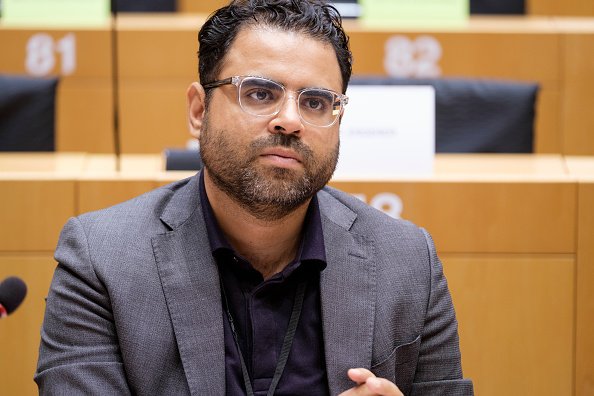
Now the parliamentary rapporteur, MEP Mohammed Chahim, has suggested striking out the proposed suspension mechanism, in a draft report published on Monday that will form the basis for the environment committee’s deliberations on the issue.
CO2 cost rebates
The Dutch socialist’s proposals, however, also touch on another thorny point.
Chahim is asking the Commission to propose, by 2027, a plan not only to let CBAM cover the indirect emissions embedded in imported products, but also to phase out a mechanism that allows EU governments hand subsidies to their national industry.
The CBAM expansion would increase the CO2 tariff faced by non-EU products made with dirty electricity, for example when there is a lot of coal-fired generation in the mix. The phase-out of Europe’s “indirect cost compensation” would instead halt national subsidies that give back to companies part of the CO2 costs that power producers pass onto them through electricity bills.
Chahim told Euractiv that the status quo “creates inequality and unfairness within the EU”, as only 15 countries applied it for the benefit of their national industries in 2024.
His take is that a phase-out would be the right decision, but that the European Commission could then come up with an alternative approach, such as an EU-wide compensation mechanism. “I’m not saying that we are going to take it away,” he said.
Rather, he reasoned, the EU should prepare for when its power production becomes so clean that CO2 cost compensation ceases to be relevant, and companies would be better protected by a CO2 tariff on the indirect emissions of their foreign competitors.
(rh)