





Government policies are creating the conditions through which unethical actors can profit
Alex Powell is associate professor of law at the University of Warwick
During the course of this week, the BBC has run a series of articles, shows and podcasts detailing an “undercover investigation” into the UK asylum system. The reporting has given the impression of widespread practices of falsification. However, as a researcher focused on the UK asylum system, my research documents a far more complicated and concerning reality.
The framing of the piece, which is based on a very small number of encounters, presents asylum claims on the basis of someone being LGBTIQA+ as simple. It does this by uncritically repeating the line of an “adviser” to Worcester LGBT captured in the BBC’s video that ‘There is no check-up to find out if the person is gay’. However, my research has documented the reality of claiming asylum in the UK on the basis of being LGBTIQA+.
While the BBC gives the impression that LGBTIQA+ claims are a loophole in the UK asylum system that is widely exploited, such as by linking LGBTIQA+ claims to increased numbers of people who arrived in the UK lawfully claiming asylum, the reality is that of all asylum claims made in 2023 only 2% included reference to sexual orientation.
As such, far from revealing a widespread practice, the BBC’s framing can be seen to perpetuate further moral panic regarding the UK immigration system in a manner that does not accurately represent the realities of that system. Giving an impression of a significant ‘loophole’ where, in reality, even their own piece was unable to document a single confirmed example of someone who had actually succeeded in claiming asylum in the UK on the basis of a false LGBTIQA+ claim. For example, one individual they spoke to had returned to Pakistan after failing to secure status following eight years in the UK.
Within their ‘investigation’ the BBC argues that there exists a ‘fake asylum industry‘. They offer some compelling examples of unethical and unlawful conduct by individuals and organisations. However, misconduct by a small number of advisers is a regulatory issue, not evidence of an “industry”, and it is notable that by engaging in this way and failing to speak to actual refugees the BBC has not focussed on institutional failings and instead fixed public attention on to already vulnerable people and legitimate legal practitioners caught in the crossfire from this report.
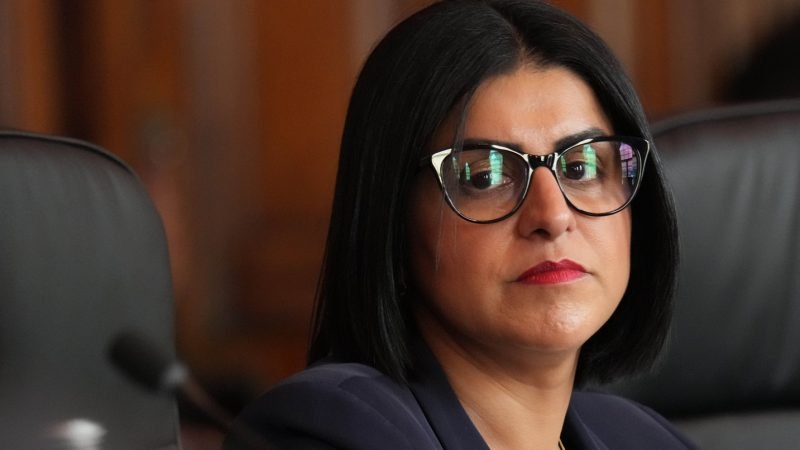
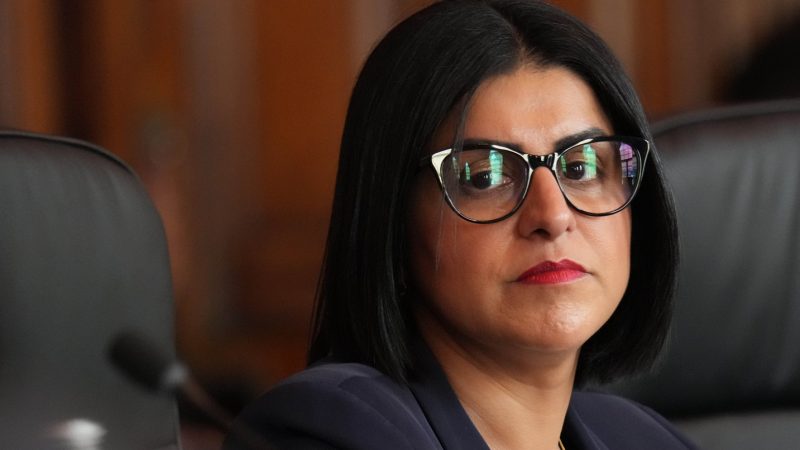
Over recent years, organisations such as the Immigration Law Practitioner’s Association have flagged concerns regarding a “climate of hostility” towards immigration practitioners and judges. With the Home Secretary Shabana Mahmood responding to the BBC’s reporting by claiming that ‘Sham lawyers’ will ‘face the full force of the law‘, there is a real risk that this framing of the poor practice of a small few will contribute to further hostility.
Rather than focusing on isolated examples of poor practice, these investigations should give pause for reflection regarding the structural conditions which push people into seeking the support of unethical advisers. Specifically, in recent years legal aid shortages, extensive delays, visa restrictions and the approach of the UK to refugee status determination have exacerbated the conditions within which a small number of people have been able to profit from the precarity of people seeking asylum.
For example, academic researchers have documented the extremely limited availability of legal aid for asylum in the UK. This includes the existence of “legal aid deserts” where securing legal assistance can be extremely difficult. The impact of this can be that people seeking asylum often end up facing complex legal processes without appropriate legal support. This, in turn, can mean that advisers like those from the BBC’s investigation end up being the only sources of support to which people seeking asylum are able to turn. As such, rather than framing this as evidence of a lucrative industry, an honest assessment would focus on how elements of government policy, such as the hollowing out of legal aid, have created the conditions within which unethical actors are able to profit. This should not, of course, detract from the outstanding work that many other third sector organisations do to support the human beings harmed by the government’s hostile approach to asylum.
Similarly, the BBC’s reporting details claims of “coaching” on LGBTIQA+ narratives. However, as my research has documented, the current approach to refugee status determination in LGBTIQA+ claims focuses strongly on the ability of people seeking asylum to describe their “emotional journey” towards developing an identity in a coherent manner which is supported by their social engagements with a broader LGBTIQA+ community. As such, the issue here is not fake or illegitimate claims, but rather the state’s narrow understanding of LGBTIQA+ identities and the current demands of the asylum system for highly particular narratives that produces the conditions where such ‘coaching’ can take place.
While there are reasons to be concerned about the practices reported by the BBC, this moment is not the time for another moral panic led “crackdown”. Rather, this should give pause for thought about how the practices documented are facilitated by hostile government policies which create the conditions within which unethical actors can profit.
Image credit: James Whatling / Parsons Media – Creative Commons
Left Foot Forward doesn’t have the backing of big business or billionaires. We rely on the kind and generous support of ordinary people like you.
You can support hard-hitting journalism that holds the right to account, provides a forum for debate among progressives, and covers the stories the rest of the media ignore. Donate today.