







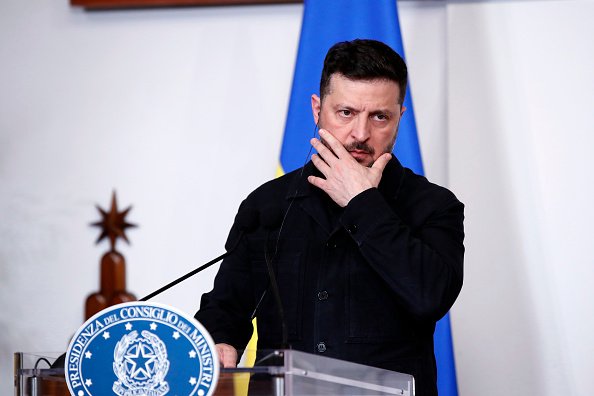
The Druzhba pipeline is ready to bring Russian oil to Hungary and Slovakia through Ukraine again, possibly ending a major political spat that saw Budapest and Bratislava at odds with Kyiv, Ukraine’s president, Volodymyr Zelenskyy, said on Tuesday.
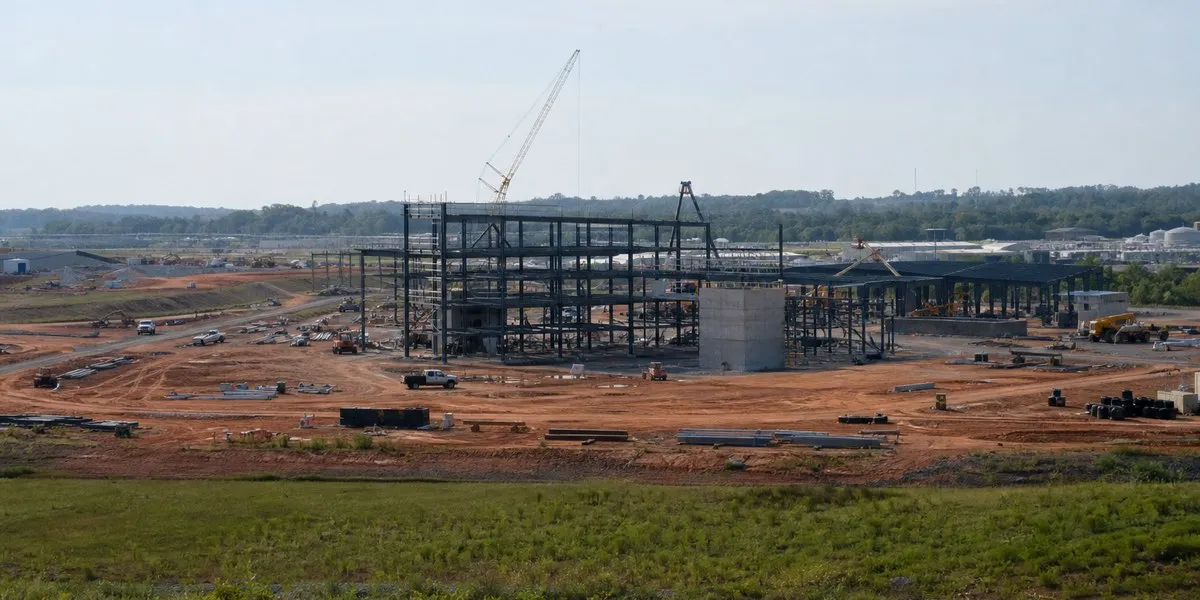
The Soviet-era pipeline that the Ukrainians said was put out of service by Russan bombs in late January has been repaired and “can resume operation”, Zelenskyy said. “Although no one can currently guarantee that Russia will not repeat attacks on the pipeline infrastructure, our specialists have ensured the basic conditions for restoring the operation of the pipeline system and equipment,” he wrote.
Zelenskyy said that the Ukrainians “connect this with the unblocking of the European support package for Ukraine” – a €90 billion loan that was frozen by the Hungarian Prime Minister Viktor Orbán in the run up to a general election this month that ultimately saw him suffer a landslide defeat.
The President of the European Council, António Costa, promptly thanked Zelenskyy for “delivering, as agreed”.
Drone attacks
However, the announcement came amid reports that the Ukrainian security services had launched a drone attack on the Druzhba pipeline – which transports Russian oil to Slovakia and Hungary via Ukraine – in the Russian region of Samara.
A Ukrainian security official told Reuters that the strikes, which hit a pumping station in the village of Prosvet, had caused a fire and damaged five tanks containing 20,000 cubic metres each of crude oil. The attack was also reported by local Ukrainian media.
Speaking to reporters after a meeting of EU foreign ministers, Kaja Kallas, the bloc’s foreign policy chief, said Orbán’s loss to rival Péter Magyar in the recent Hungarian elections had provided “new momentum” to the EU’s Ukraine policy. She also said she expected a “positive decision” on the loan “within the next 24 hours”.
Asked whether the damage to the pipeline could jeopardise the release of the loan, Kallas said: “I may look like an oil expert, but I’m definitely not giving you an answer whether the oil will flow now, because I’m not an expert.”
Slovak Foreign Minister Juraj Blanár – whose country has also threatened to block the loan and the 20th sanctions package over the pipeline dispute – said after Tuesday’s meeting that he could not confirm that oil deliveries through Druzhba had restarted.
“For now, I can say we do not have such information,” Blanár said. A spokesperson for the Hungarian government said they also couldn’t confirm that oil deliveries had restarted.
A spokesperson for the European Commission did not immediately respond to a request for comment.
Sanctions request
Ukraine’s wartime leader also reaffirmed that the Kyiv’s allies should continue to pressure Russia with “systematic sanctions” and that Europeans should search for alternatives to Russian energy imports.
Hungary and Slovakia are the last two EU countries importing Russian oil. The EU has already adopted legislation to end all Russian gas imports by the autumn of next year – which both countries are challenging in the EU courts.
But there are signs that Budapest and Bratislava, whose energy policy and pro-Russia stance have until now been largely aligned, could be drifting apart, with Hungary’s prime minister elect Péter Magyar publicly at odds with Slovak premier Robert Fico on Tuesday over an ethnic spat.
In a phone call with Fico, Magyar linked any policy cooperation with Bratislava to the cancellation of a law that allows for prisons sentences of up to six months for anyone who criticises a post-Second World War settlement that ascribed collective guilt to Germans and their collaborators, and remains a bone of contention for Slovakia’s sizeable ethnic Hungarian minority.
(rh, jp)
UPDATE: This story has been updated to include comment from the European Commission and further context.