






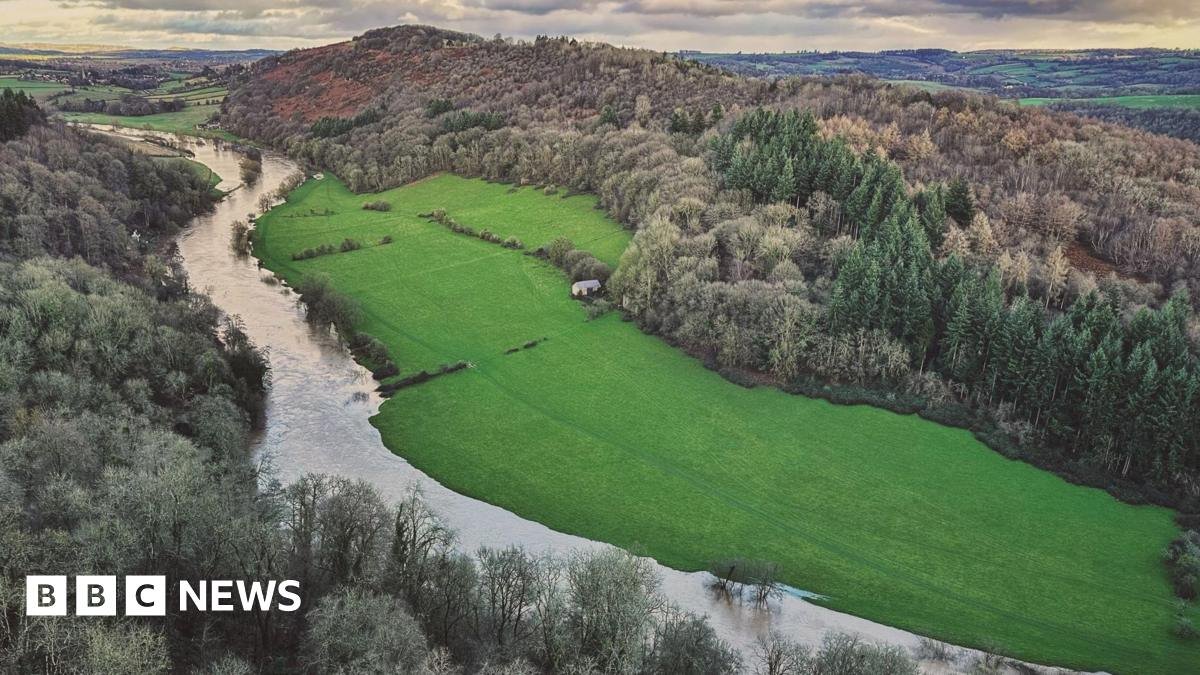
In 2023, Natural England, the UK government’s official advisory body rated the condition of the River Wye as “unfavourable – declining”. The follow-up River Wye Action Plan in 2024 blamed excessive nutrients from farming and wastewater discharges as well as climate change for increasing the water temperature and reducing the water flow in hot dry summers.
Legal firm Leigh Day are bringing the case on a no-win no-fee basis. They say that that though it was arable farmers who spread the manure, Avara Foods and its subsidiary Freemans of Newent should be held responsible for the consequences.
“The poultry companies that are being sued in this claim knew what the outcome of their operations were going to be when they expanded the poultry production in this area,” Celine O’Donovan, one of the Leigh Day lawyers told BBC News.
“As a result, the responsibility for the decline of these rivers needs to lie with the people that knew what was going to happen and have made the money from it and controlled the supply chain that resulted in it.”
The companies being sued are accused of negligence, causing private and public nuisance and even trespass where the riverbed has been affected on a claimant’s property.
In a statement Avara Foods said the allegations were “misconceived” and that it was “confident in our position and believe the claim is unsupported by any proper scientific basis.” It said that river health is affected by “multiple factors” and that phosphorus levels had fallen since the early 1990s.
Welsh Water, which has been accused of increasing the nutrient load through sewage spills said the case was “misguided” and that it had invested £76m on reducing nutrient levels on the Wye, Lugg and Usk between 2020 and 2025 and would invest £87m more from 2025 to 2030.