









British scientists are testing whether firing salt water into clouds could help cool the Earth, as part of a £6 million project to tackle global warming.
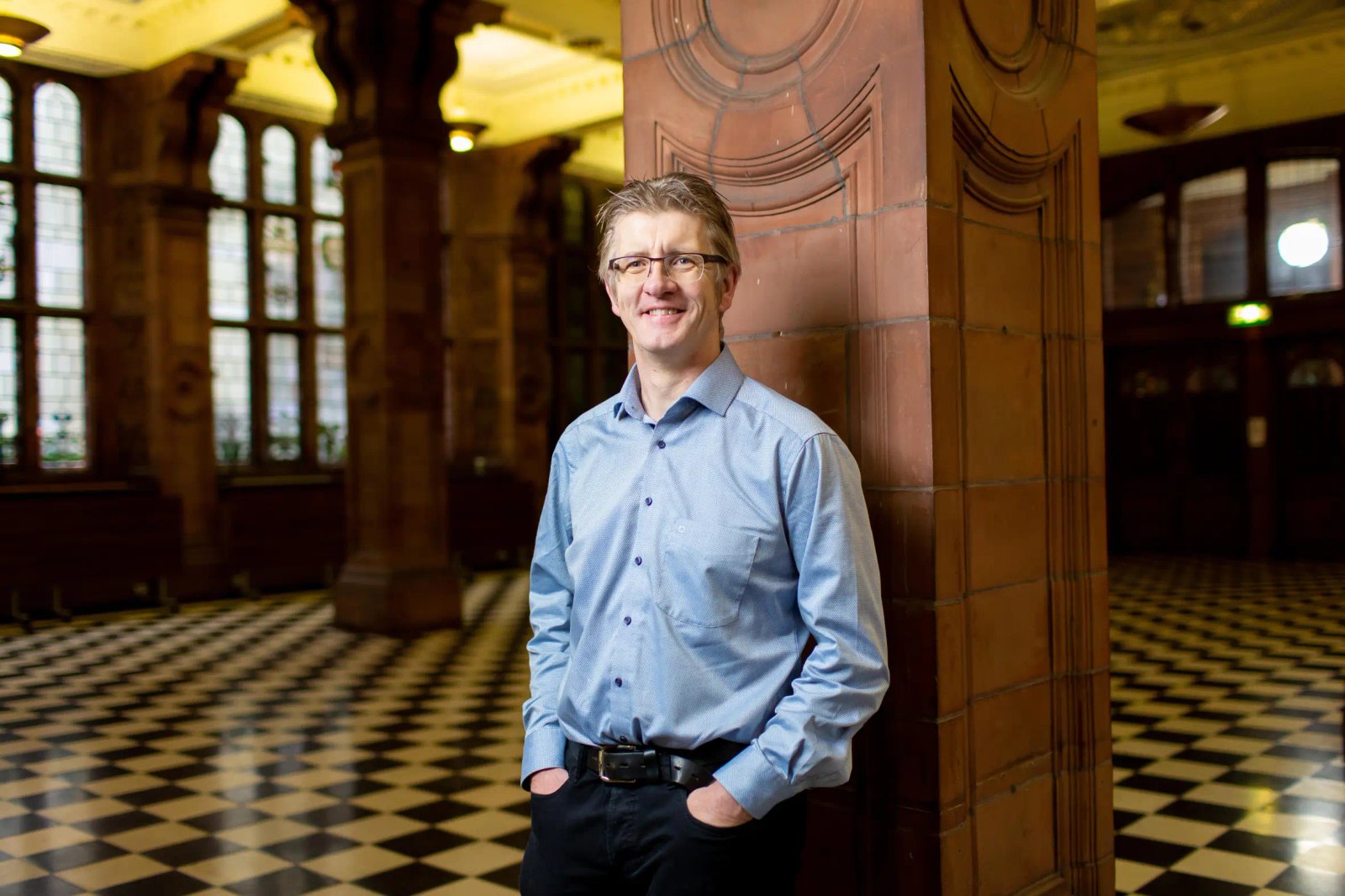
Hugh Coe’s team is conducting laboratory tests inside a three-storey stainless steel “cloud chamber” at the University of Manchester, investigating a concept known as marine cloud brightening.
The idea seems simple. Inject a mist of salt water into clouds to make them brighter and reflect more of the sun’s energy back out to space. If successful, the UK’s first field test of the technology could take place somewhere on Britain’s coastline in two years.
Coe’s Reflect project is one of 22 schemes in a £57 million programme looking at “geoengineering” Earth’s climate, funded by the Advanced Research and Invention Agency (Aria). The high-risk, high-reward science research body was the brainchild of Dominic Cummings, Boris Johnson’s former adviser, who saw it as a way to cement the UK as a “science superpower”.
Geoengineering can be controversial and is sometimes opposed by environmentalists who fear it is an excuse to not cut the carbon emissions they say are driving climate change. Reform MPs have also made misleading claims that Ed Miliband is backing plans to “block out the sunshine”, which the energy secretary dismissed as “conspiracy theories gone mad”. The first mooted UK field test of solar geoengineering was cancelled in 2012, due to “complex” issues around governance and intellectual property.
Today, scientists see the Aria programme as vital for gathering evidence on the effectiveness and possible downsides of geoengineering measures, in case they need to be deployed later to put the brakes on climate change.
“We’re starting to see major, major environmental effects, costing us huge amounts in terms of human life and money. That becomes intolerable,” Coe said of the impact of today’s level of warming, with Earth already 1.4C warmer than before the industrial revolution.

He said there is not a “shadow of a doubt” that cutting carbon emissions should be humanity’s priority. But he said we need to research the uncertainties around geoengineering in case we ever need to use it. “We damn well better understand what those risks are before we do it,” he said.
The Manchester team think there is good reason their approach will work. In the past, pollution from dirty shipping fuel has been found to brighten clouds. However, since international rules six years ago requiring cleaner shipping fuels, one side effect has been darker clouds over oceans, unintentionally accelerating global warming.
“That means we’ve got a pretty good handle that the physics work, right?” said Coe. Reflect is now exploring if deliberately spraying salt particles could safely mimic the lost cooling effect.
The salt could one day be fired into clouds with large water misting cannons, of the kind used at festivals. For now, the focus is on lab tests to find the ideal “Goldilocks” size for the salt particles. Too large, and they risk soaking up all the moisture before smaller droplets can form. Too small, they won’t activate properly, meaning the cloud won’t brighten enough.
Provided all goes well, testing will be scaled up next year to a controlled environment such as a polytunnel, where salt could be easily washed off the walls. If Aria and an independent panel then give the green light, Coe’s team will try outdoor field trials in 2028 and 2029.
The location on the UK coast is yet to be decided, but Coe is acutely aware of the need for community engagement to assuage any local concerns, such as fishing being negatively impacted. If the tests do happen, they would last only a few minutes and extend a couple of kilometres at most. Drones and Lidar technology will be used to ensure the salt plume isn’t spreading further than intended. “Essentially, the experiment doesn’t run wild,” said Coe.
The potential prize is huge. If the technology was ever deployed at scale by a government, there are large tracts of low-lying clouds in the Atlantic and Pacific that could be brightened to cool the planet.
In the meantime, Coe said the primary goal must be cutting the carbon emissions driving global warming. “The issue arises because we simply haven’t done a good job of it,” he said.