








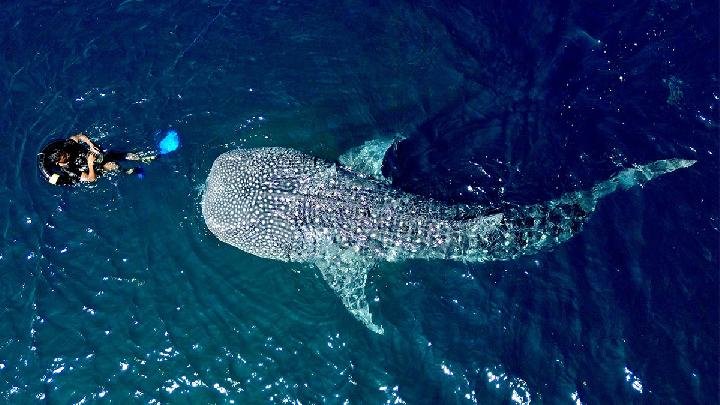
TEMPO.CO, Jakarta – As the cooler months arrive, whale watching in Australia becomes one of the season’s most remarkable natural experiences. From May to November, more than 60,000 humpback whales migrate along the country’s east and west coastlines, creating spectacular ocean displays.
If you are among those seeking otherworldly ocean encounters, explore the complete guide to whale watching in Australia below.
When Is Whale Watching Season in Australia?
Understanding migration patterns is key to maximizing your chances of whale watching in Australia. Along the southern coastline, including Victoria, the prime viewing season typically runs from May to October, as whales migrate north from Antarctica before returning later in the year, according to Time Out.
Humpback whale movements occur in phases, traveling north between June and August and heading south from September to November, resulting in regional peaks that vary across the country.
WWF Australia explained that northern areas generally see the highest activity in mid-season, while southern regions experience stronger sightings at the beginning and end of the migration cycle.
What Is the Best Time for Whale Watching in Sydney?
Whale watching in Sydney typically runs from May through late July, before resuming from August to November as whales complete their migration cycle.
While there is no single perfect time of day, early mornings are often favored for more active sightings, whereas late morning to mid-afternoon offers clearer conditions that can make spotting these ocean giants easier.
Where Can I See Whales from Land in Australia?
Australia offers a wide range of land-based whale watching locations, making it possible to witness these marine giants without leaving the shore.
Along the east coast, standout vantage points include Cape Solander in Kamay Botany Bay National Park, Cape Byron Headland, and Cape St George Lighthouse.
In South Australia, areas around Victor Harbor and Encounter Bay are known for close-to-shore sightings of Southern right whales during breeding season.
Meanwhile, in Western Australia, elevated lookouts near Albany provide regular opportunities to spot both humpback whales and southern right whales in their natural habitat.
Can I Watch Whales Without a Tour?
Whale watching in Australia does not always require a boat, as many sightings can be enjoyed from coastal headlands, scenic lookouts, and beaches. During peak migration periods, whales often travel close to shore, giving the best chance of clear views from land-based vantage points.
With predictable seasonal patterns and numerous accessible viewing spots, whale watching in Australia remains one of the country’s most rewarding outdoor experiences.
If you are seeking to extend your coastal adventure, explore our guide to the best beaches in Australia for more seaside destinations.
Read: 6 Best Museums in Tokyo Where Art and Culture Come to Life
Click here to get the latest news updates from Tempo on Google News