




On the day I left my job, there was a lunch and cake in the bistro, a card passed around with messages. I was moved. Someone had organised it all. There were hugs, the usual jokes about not forgetting them when I was famous, the mild ceremony of it. Nothing dramatic. Just the small kindnesses that accumulate when you’ve spent time together.
If I’d hated the job, it would have been easier. Instead, I was leaving something I knew how to do. Something I had got quite good at. Something that paid.
For three years I’d worked as an Erasmus co-ordinator, which often meant helping other people leave: sending students and staff out into the world with forms and funding, watching them set off on new adventures. My days were made of meetings and emails and problems that could usually be solved before close of business. There was comfort in that competence, in being useful in ways that were visible and measurable.
There is a steadiness to salaried life. The week moves forward, and then, reliably, you are paid for your time inside it. That becomes a routine, and the routine becomes the life. I didn’t dislike that life. But it never gave me the one thing I’ve always wanted: unimpeded time to write.
This year I’ve been given that time. I’m on a career break, supported by the Arts Council as writer in residence at Maynooth University, with a second novel under contract. On paper, it looks like momentum – it is the thing I’ve always wanted.
And yet, it feels like clearing your diary and finding the day enormous. The time stretches, insurmountable. Each minute builds on the last and they stack up like bricks, a barrier I’m not sure I can climb. Some version of impostor syndrome, no doubt. But however I look at it, it is daunting.
The drive home that day I left the office felt strange, the feeling in my stomach stranger, yet oddly familiar. A faint, guilty sense of truancy, as though I’d slipped out of my own life early. This was usually the hour of emails and small urgencies. Instead, there was time – vast and unstructured – stretching ahead.
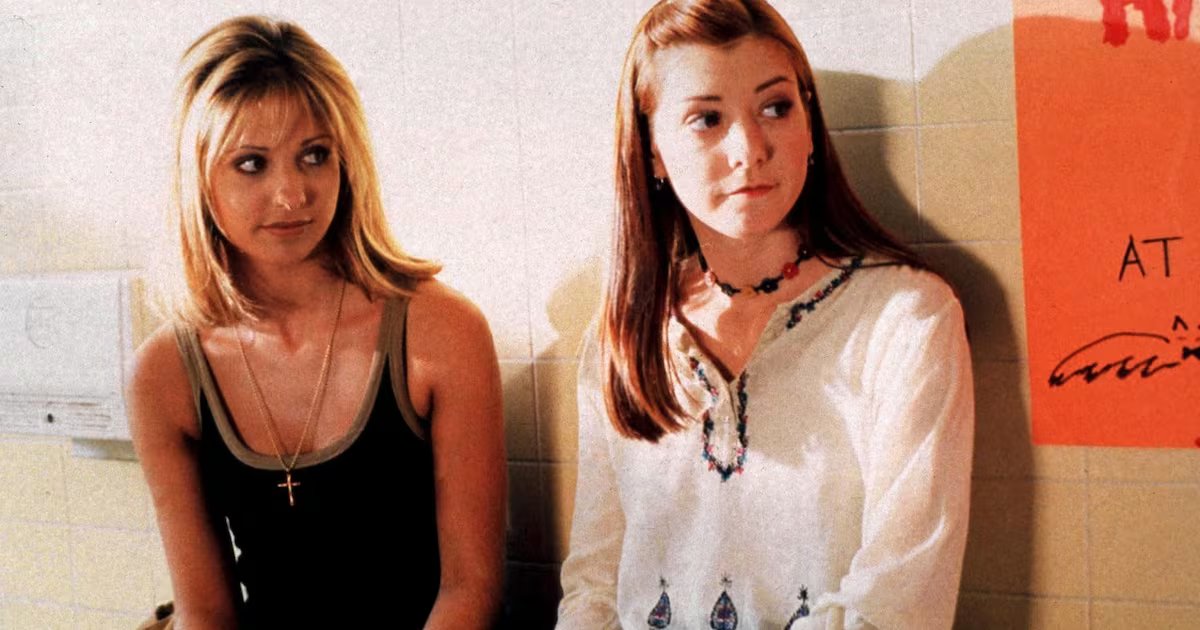
At home, the ordinary choreography resumed: dinner, homework, baths, stories. The negotiations of bedtime. Life, stubborn and domestic, refusing to acknowledge any grand career pivot. When the house finally went quiet, I poured a pint of Guinness, sat on the sofa, and, without thinking, put on Buffy the Vampire Slayer.
I’ve done this so often it barely registers as a choice. Whenever something shifts – a move, a deadline, bad news, a decision I’m unsure about – I end up back in Sunnydale. The theme tune is lodged somewhere deep in my bones. The library, the graveyard, the characters whose lines I know by heart: it all feels like returning somewhere familiar.
For years I told myself this was nostalgia, or comfort. But watching it that night, at the beginning of this precarious year, it felt closer to instinct. Because Buffy, for all its latex monsters and late-90s slang, is a show about how to carry fear.
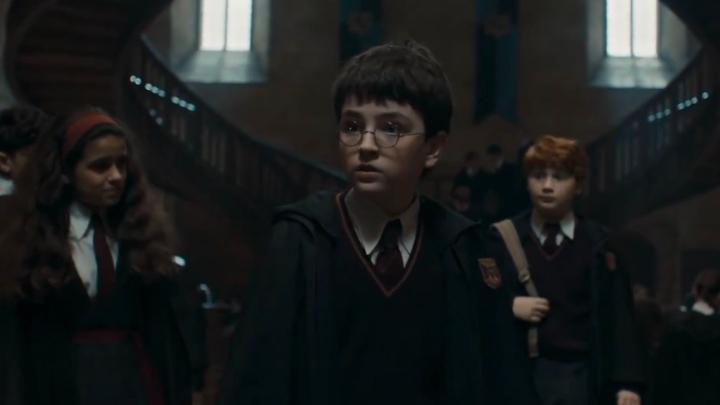
When I heard about the planned Buffy remake my first thought was to leave her rest. But then a buzz grew and I was lost in it, wondering which characters would return. The sudden cancellation of the show, and the untimely death of Nicholas Brendon, who played Xander, left me with the sense that maybe seven seasons might just be enough.
I first watched it as a teenager, when everything felt outsized and inexplicable. I felt lost, unable to fit the shapes laid out for me. Here was a series that made the invisible visible. School wasn’t just stressful, it was a hellmouth. Loneliness wasn’t abstract, it was a ghost. Unrequited love was a literal vampire. It gave form to things I didn’t yet have the language for.
The metaphors in those early seasons are obvious, but they work because that’s how fear feels when you’re young: grotesque, physical, impossible to reason with. The show gave you something to fight, and often what we need to fight has no shape, no name.
Even the weaker episodes – the monster-of-the-week plots – hold their structure. Rewatching them now, I’m struck by how rigorous the storytelling is. Nothing is throwaway. Everything stands for something: shame, grief, desire, all dressed up in claws and fangs.
Long before I thought about becoming a writer, I was learning from it. Learning that genre could carry emotional truth. That humour could sit beside devastation. That you could smuggle big feelings inside small stories. It was, quietly, an education in allegory.
Sitting there that night, the credits flickering across the room, I realised the show hadn’t just comforted me. It had taught me how to shape the mess of life into something I could hold. Which feels newly relevant, because the year ahead, for all its promise, is mostly just time.
And time, I’m discovering, can be frightening.
A job structures your days for you. Writing doesn’t. No one is waiting for the sentences. There is only the long morning, the blank page, the question of whether you can make something from it. It’s less a leap of faith than slow accumulation: hours, drafts, false starts.
Watching Buffy head out on patrol, again and again, I’m struck by how unglamorous the heroism is. Saving the world isn’t a single shining act. It’s repetition. Homework, then slaying. Small, stubborn efforts that add up over time.
Some episodes are messy. Some are extraordinary. Most are simply necessary. Which is also what writing looks like. Not destiny. Not inspiration. Just turning up.
That night, after too many episodes, with the theme tune still in my head, I started this piece. The fear was there but there was also a sense of shape to the freedom, something that felt, if not easy, then manageable.
Leaving a job is like walking into darkness, carrying that fear. But your eyes adjust. And after watching Buffy a gazillion times, I know this much: it’s about embracing the fear. About turning up. About getting it done.