




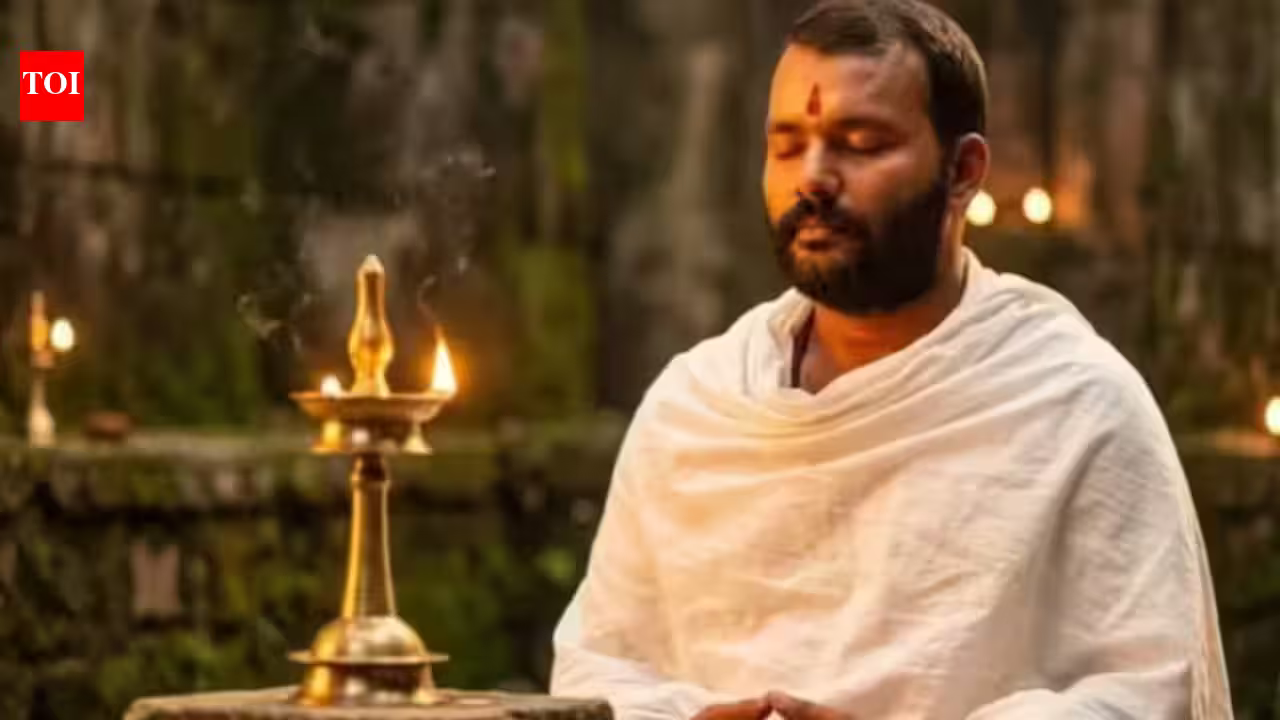




Apple and the Mumbai Academy of Moving Image (MAMI) are once again betting that the future of filmmaking may not begin on expensive studio sets, but inside a smartphone already sitting in millions of pockets. The third edition of MAMI Select: Filmed on iPhone brings together four emerging Indian filmmakers who used the iPhone 17 Pro Max to create short films that stretch across Mumbai, Goa, Kerala and Bengal — both geographically and emotionally.The initiative is less about showing off camera specs and more about demonstrating how accessible filmmaking tools are beginning to change who gets to tell stories. Mentored by acclaimed filmmakers including Sriram Raghavan, Chaitanya Tamhane, Dibakar Banerjee and Geetu Mohandas, the selected directors leaned heavily on iPhone’s professional-grade video features alongside MacBook Pro and iPad Pro workflows.For filmmaker Shreela Agarwal, whose film 11.11 unfolds in Mumbai’s dimly lit streets and beaches, the attraction was mobility. Using ProRes RAW and internal stabilisation, her crew captured low-light sequences without relying on bulky lighting setups that independent productions often cannot afford. The result, she says, was a freedom of movement traditional rigs rarely allow.Ritesh Sharma approached the technology differently. His Goa-set short She Sells Seashells uses Cinematic Mode and Audio Mix features to blur the line between reality and dream sequences, while also capturing chaotic beach environments with cleaner sound. Sharma described the setup as a “moving studio”, with footage and audio moving seamlessly between iPhone, MacBook Pro and iPad Pro during production.Meanwhile, Kerala filmmaker Robin Joy used Action Mode and AI-assisted editing tools for Pathanam (Paradise Fall), an ambitious fantasy drama involving prosthetics, action scenes and VFX-heavy sequences. Rather than scaling down the vision to fit budget constraints, Joy argues the technology allowed him to attempt shots that would otherwise have been inaccessible for a smaller production.For Dhritisree Sarkar, whose film Kathar Katha explores isolation and trauma, the iPhone’s 8x optical zoom and ProRes RAW workflow became storytelling tools rather than technical gimmicks. Sarkar says accessibility matters because it lowers the barrier for first-time creators who may not have institutional backing.