








UK’s gross domestic product (GDP) rate for January to March 2026 jumped by 0.6 per cent, according to the latest figures from the Office for National Statistics (ONS).
For March alone, the economy grew by 0.3 per cent despite many analysts forecasts GDP to slip by 0.1 per cent or 0.2 per cent in response to the US-Iran war.
Chancellor Rachel Reeves has made economic growth central to her fiscal agenda since Labour returned to Government in July 2024.
Notably, GDP over the first quarter of 2026 is estimated to have increased by an unrevised 1.4 per cent annually in 2025, following revised growth of one per cent in 2024.
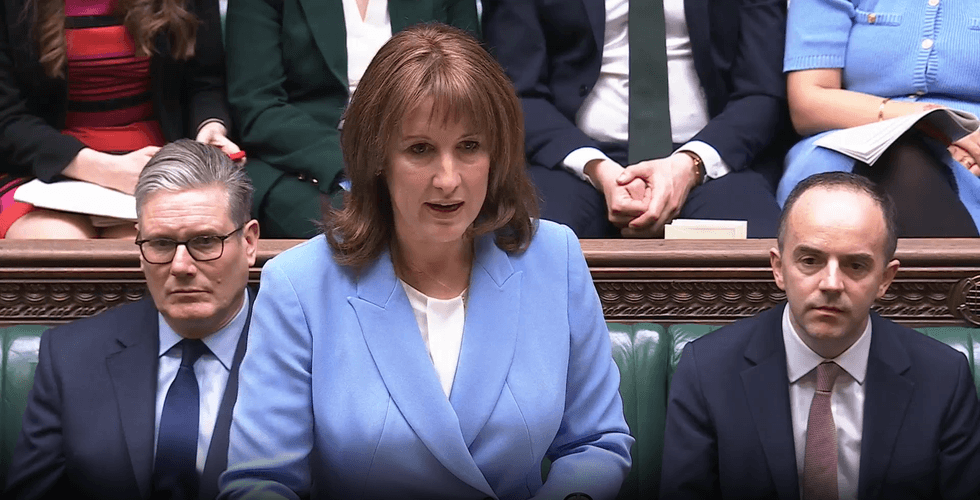
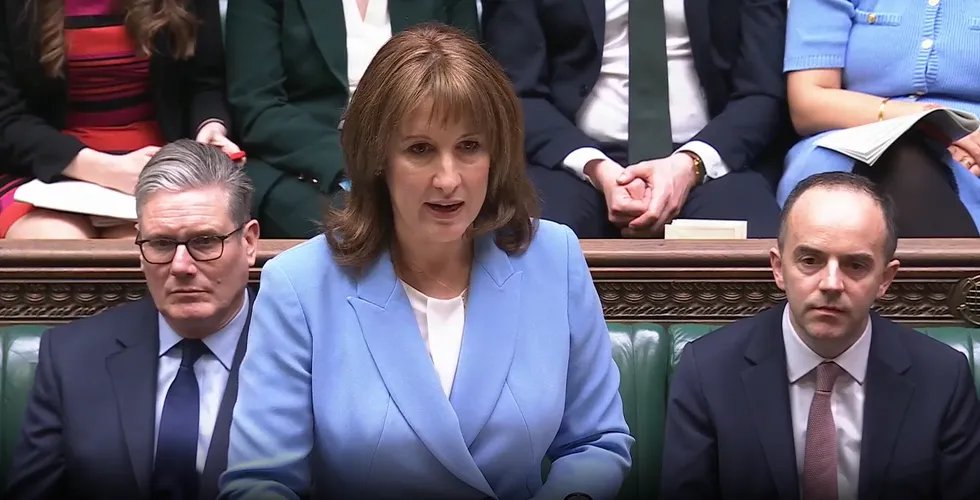
The Chancellor has made GDP growth a priority
|
POOLGDP is the measurement of economic activity of the private sector, workers, and the Government; often being the determining factor for employee pay rises and tax cuts.
Between January and March 2026, the country’s GDP was bolstered by a 0.8 per cent boost in the key services industry, while production output rose by 0.2 per cent and construction output jumped by 0.4 per cent.
Based on this latest quarter’s services figures, the biggest drivers of growth were wholesale and retail trade, with motor vehicles and motorcycle repair up two per cent.
Furthermore, growth in the information and communication services sector was on the up by 1.7 per cent, while professional, scientific and technical activities increased by 1.2 per cent.
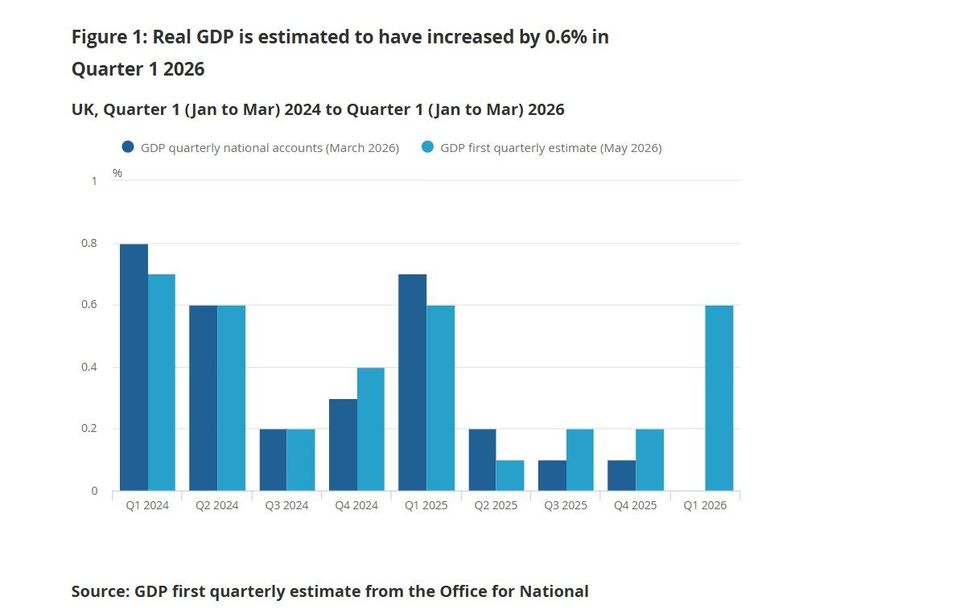
How has GDP growth changed in recent years?
|
ONS
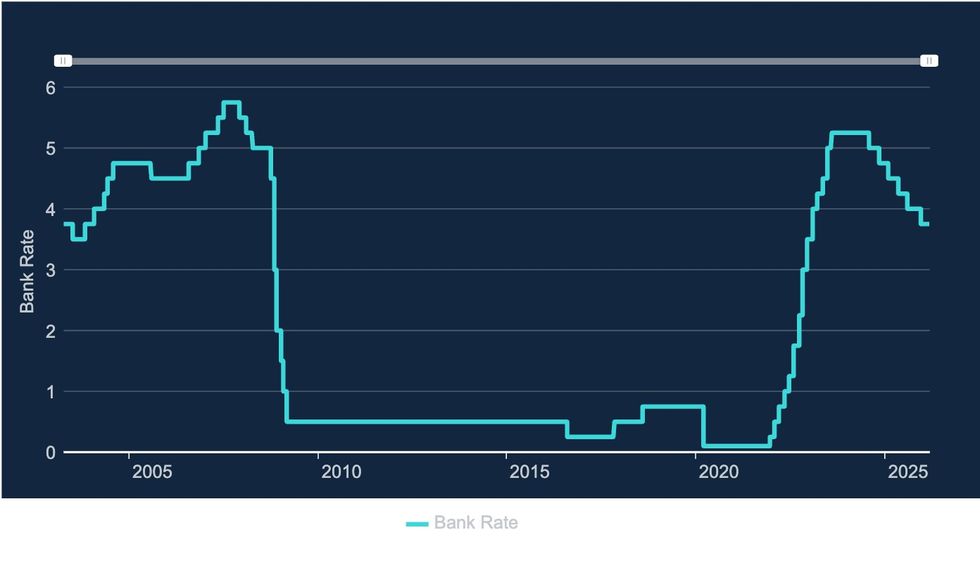 Bank of England interest rates over time | Bank of England
 However, the US-Iran war has been shown to have had some immediate detrimental impact on the British economy based on March’s GDP figures alone, with production growth falling into the red.
ONS director of economic statistics Liz McKeown said: “Growth picked up in the first quarter of the year, led by broad-based increases across the services sector.
“Within that wholesale, computer programming and advertising performed particularly well. Production also grew slightly, while construction returned to growth, though only partly reversing weakness at the end of last year.”
George Brown, senior economist at Schroders, said: “UK GDP has developed a habit of starting the year well, only for momentum to slow due to residual seasonality.
“Markets think the Bank of England (BoE) will place more weight on inflation than growth risks. We are not so sure.
“Subdued domestic demand should diminish the risk of second-round effects from higher energy prices. That should mean the BoE talks tough but stops short of the hikes markets are pricing in.”
Chancellor Rachel Reeves said in a statement: “The choices I have made as Chancellor mean our economy is in a stronger position as we deal with the costs of the war in Iran.
“Now is not the time to put our economic stability at risk. To do so would leave families and business worse off. Instead, this Government is getting on with the job of building an economy that is stronger, more resilient and prepared for the future.”