





TEMPO.CO, Jakarta – Travelers may feel safe when sitting in gleaming airplane seats, but experts warn that mass transportation is actually one of the dirtiest places.
The lack of universal cleaning standards makes the many hidden corners on the plane perfect breeding grounds for viruses and bacteria. This is exacerbated by tight flight change schedules, so cleaning crews often only have a short time for visual cleaning without thorough disinfection.
It All Starts from Security Checks
Plastic trays at security checkpoints are often much dirtier than toilets. A study at Helsinki Airport found that half of the tested tray samples carried respiratory viruses such as influenza A and rhinovirus.
This occurs because thousands of hands touch the trays every day, while toilets are cleaned more intensively due to the higher hygiene awareness of users. “Those plastic security bins harbor more respiratory viruses than public toilets,” said public health expert Darin Detwiler, as reported by Daily Mail.
He also warned that the baggage claim area is equally risky because suitcases carry germs from various parts of the world and come into direct contact with passengers’ hands. Therefore, it is important to maintain hand hygiene, even after disembarking. “Exhaustion can make you more vulnerable as you are less alert and it is easy to let your guard down,” said Darin.
Seats to Safety Instruction Cards
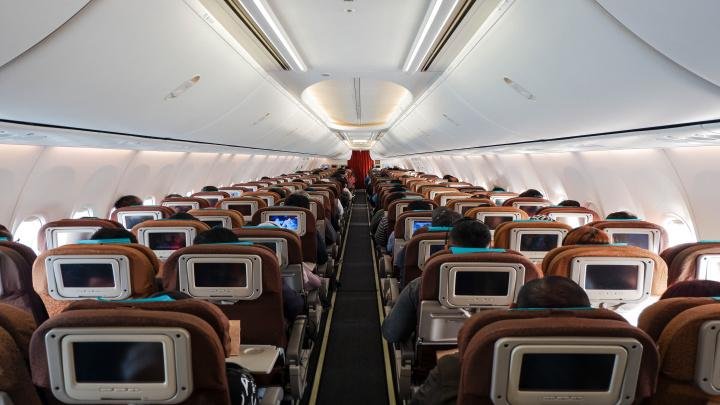
Entering the cabin, the choice of seats actually significantly affects exposure to bacteria. Elliot ‘Mo’ Kreitenberg, an infection prevention specialist, revealed that aisle seats tend to be the dirtiest because they are often touched by passing passengers to maintain balance. “The top of the seatback is consistently, and far and away the most quantitatively contaminated surface in the passenger cabin,” said Kreitenberg. Elliot emphasized that airlines do not have cleanliness standards, so what happens between flights is just quick trash disposal.
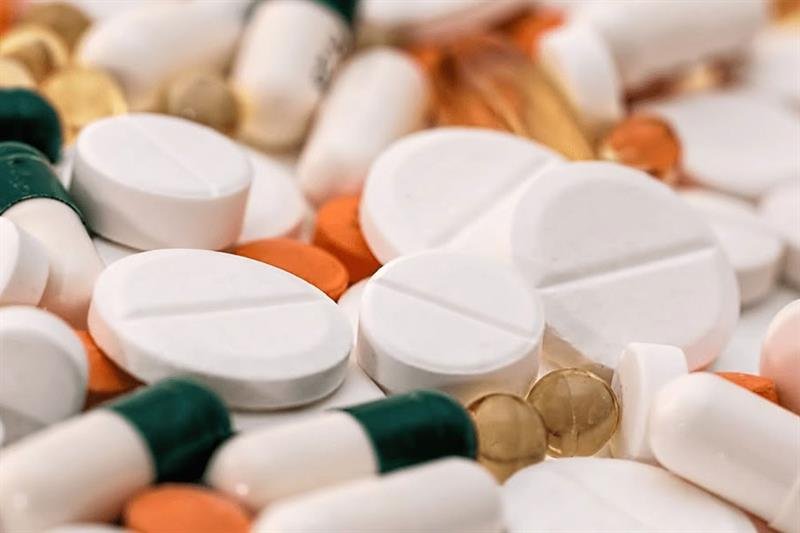
Other specific items inside the aircraft also become magnets for dangerous germs. Seat belt buckles, for example, are touched by thousands of people over the years and are rarely cleaned. Research even found the presence of human bacteroides bacteria that can cause serious infections on the metal part. As well as fold-down trays used by passengers for various purposes, from eating to resting their feet, which have been proven to have far more bacteria than toilet seat flush buttons.
As reported by Travel + Leisure, the most overlooked item is the safety instruction card in the seat pocket. This plastic card changes hands from one passenger to another without ever being wiped by cabin crew. The condition of the seat pocket is even more concerning because it is often used as a temporary trash bin to throw away used tissues, leftover food, and even baby diapers. As a result, this area becomes a hidden breeding ground for rarely cleaned germs unless there is very visible dirt.
In addition to inanimate surfaces, health risks also arise from the quality of water in the aircraft toilet. The water flowing from the sink tap often comes from storage tanks that are rarely drained routinely, so it is at risk of containing high levels of bacteria. This makes the use of wet wipes or hand sanitizers much more recommended than washing hands directly with the water. Finally, the overhead bin handles also become vulnerable points because they are touched by almost all passengers when lifting or lowering items without regular sanitation procedures.
As a protective measure, Kreitenberg advises that self-sterilization techniques must be done correctly. “The surface must stay visibly wet for 30+ seconds to actually disinfect,” he said. By carrying their own hand sanitizer and cleaning the seat area independently, travelers can minimize the risk of contracting diseases during their journey.
Imanda Zahwa contributed to the writing of this article
Read: Why You Should Photograph Your Luggage Before Flights
Click here to get the latest news updates from Tempo on Google News