








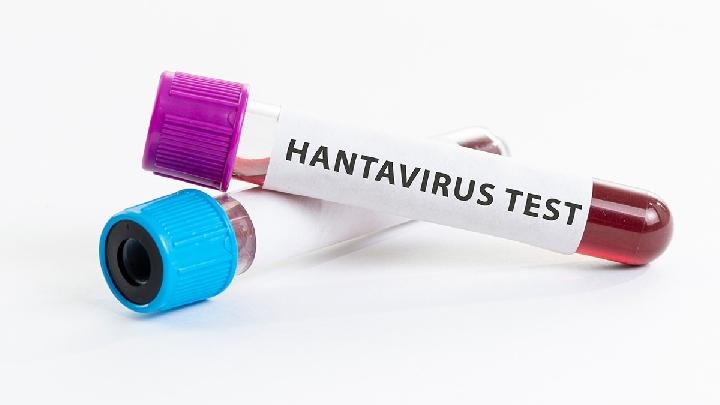
TEMPO.CO, Jakarta – The outbreak of hantavirus on a Dutch cruise ship has captured global attention. Although it may sound unfamiliar to some, health experts emphasize that this is not a new virus. Hantavirus has unique characteristics. Its health impact varies depending on the strain and the type of rodent carrying it.
Dominicus Husada from the Work Unit Coordination of Tropical Disease Infections at the Indonesian Pediatrician Association (IDAI), explained that the virus is commonly carried by rats. Different regions have different variants of the virus, depending on the type of rat. “Most often it’s rats. The Latin names vary, and each rat carries its own virus,” Dominicus said during a virtual press conference on Friday, May 8, 2026.
Transmission Mechanism and Comorbidity Risk
The virus is transmitted through virus particles found in rat urine, feces, and saliva. The main route of entry into the human body is through the respiratory tract, but it can also enter through open skin. The early symptoms resemble the common flu, including fever, headache, and muscle pain. However, this phase can drastically progress to a fatal condition, even for individuals without underlying comorbidities.
This was evident in the case of a Dutch couple who died despite being reported healthy previously. Nevertheless, the presence of comorbidities remains the highest risk factor. “People without comorbidities are also at risk of dying. But if there are comorbidities, the risk is higher,” he added, emphasizing that protecting children with immune or kidney disorders is non-negotiable.
Challenges in Diagnosis and Quarantine
One of the biggest challenges is distinguishing its symptoms from those of other diseases. He cited a case on the Hondius cruise ship, where the virus infection was only detected after the victims died. “Hanta was not known until they died because they were not tested. It was only known after his wife followed suit,” said the Professor of PD3I Medical Science at Airlangga University in Surabaya.
In Indonesia, diagnostic challenges are compounded by limited reagents, short shelf life of tests, and high costs, leading to centralized testing in Jakarta.
As for safety procedures, countries like Singapore enforce strict protocols, including a 30-day isolation for the exposed individuals. Foreign cruise ships usually have facilities equivalent to an ICU, but early detection remains difficult due to the virus’s long incubation period, which can last up to 8 weeks. As mentioned earlier, this indicates that transmission often occurs before the patient boards the ship.
Pandemic Risk
Many are concerned whether Hantavirus, especially the Andes variant, will become a pandemic like COVID-19. However, Dominicus dismisses these concerns because its transmission is not as easy as other respiratory viruses. “It’s definitely not like COVID. Because it’s unlikely to become widespread in a short period of time,” he said.
He mentioned that human-to-human transmission of the Andes variant requires very close contact, such as living together or working in the same small room. Compared to other diseases like measles, which have very high transmission rates, the potential for Hantavirus transmission is much smaller. Additionally, Hantavirus is relatively stable and rarely mutates compared to SARS-CoV-2, let alone HIV, which is a “mutation king.” Therefore, the public is urged to be cautious but not to panic excessively.
Preventive Measures
Meanwhile, the General Chairperson of IDAI, Piprim Basarah Yanuarso, emphasizes the importance of returning to basic preventive measures. “Returning to simple things, such as clean and healthy living habits. Perhaps this is something that we can widely promote to the entire community, including our parents and children,” said Dr. Piprim.
He added that the Clean and Healthy Living Behavior (CHLB) program is an inexpensive yet effective way to prevent various communicable diseases, especially those that are difficult to detect or for which there are no vaccines.
Imanda Zahwa contributed to the writing of this article
Read: Illinois Investigates Possible Hantavirus Case Amid MV Hondius Outbreak
Click here to get the latest news updates from Tempo on Google News