






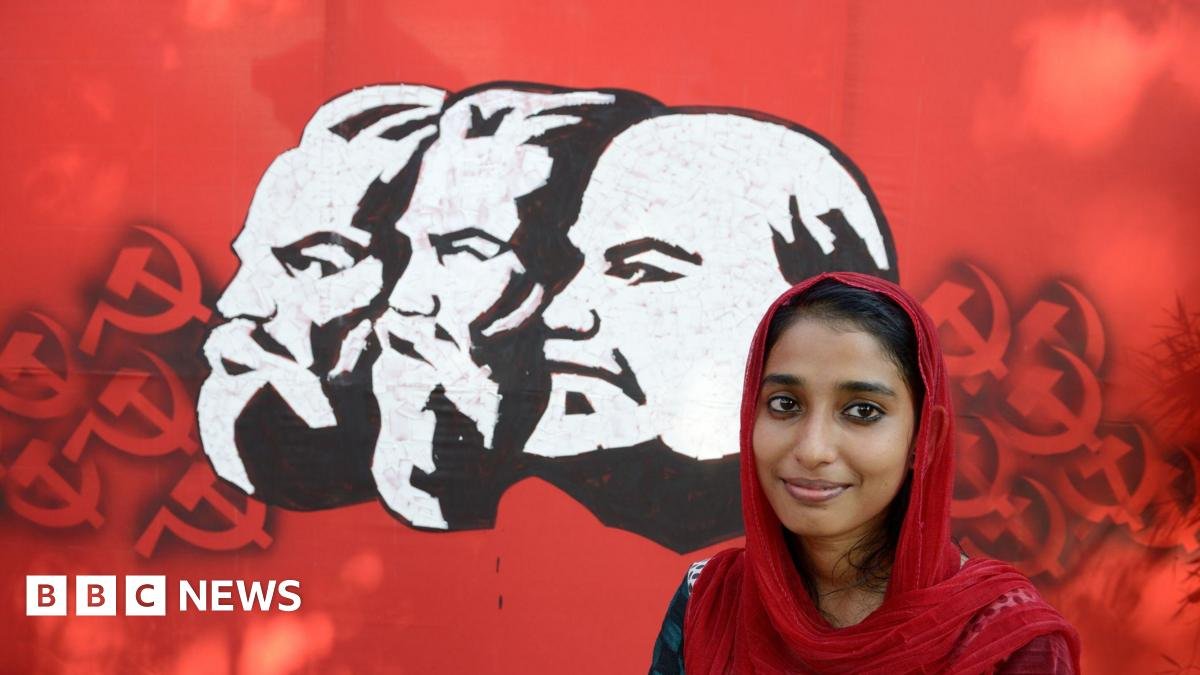
Kerala stood apart, earning international attention for decentralised planning, high social indicators, literacy, poverty reduction and a strong public health system.
But the model had underlying strains. “Kerala continued to rely heavily on remittances from abroad, which have wavered, creating mounting fiscal pressures and inadequate employment generation, especially among youth,” says Ruparelia.
More strikingly, Kerala’s communists themselves drifted towards the economic model they once opposed.
A 2022 CPI (M) policy document embraced private investment, public-private partnerships, private universities and globally integrated technological services.
For political scientists such as Ruparelia, this evolution underlined a larger reality: India’s communist parties were often “better understood as social democratic than communist”.
Rather than pursuing revolution, they largely functioned as parliamentary parties centred on welfare, labour rights and redistribution.
“India was unusual in having parties from the communist tradition succeed in democratic elections,” he says.
But, argues MA Baby, general secretary of the CPI (M), state governments always operated within tight constraints.
“They have limited financial and administrative powers. The real power lies in Delhi,” he says.
“We used state governments to show that even within the capitalist socio-economic structure, pro-people policies and alternatives are possible despite limited powers.”
But the social base sustaining that model has steadily eroded. Organised labour was always a minority in India’s vast informal economy. Welfare politics increasingly shifted from class mobilisation to direct cash transfers and identity-based coalitions.
When farmers’ protests erupted in 2020 against Prime MInister Narendra Modi’s farm laws, they exposed how much rural politics had changed.
The Left remained part of the movement – “the voice of conscience”, as analyst Shikha Mukherjee puts it – but no longer its leader. Regional parties and independent farm unions had taken over that space.