







In modern dating culture, situationships have become nearly impossible to escape. Much like surge pricing or “just checking in” emails, they are everywhere. Most people have probably been in one themselves while insisting to friends they were merely “keeping things casual”.

The term began circulating online in the late noughties and early 2010s, particularly within Black dating culture and on Internet forums, before entering mainstream vocabulary around 2019. Suddenly, the situationship became the official term for relationships that contained all the intimacy of commitment without any of the structural clarity.
Tinder’s 2022 Year in Swipe report recorded a 49% increase in users adding the term “situationship” to their profiles, signalling how quickly emotionally undefined relationships had moved from internet slang to a recognised dating category.
A communications professional in New Delhi recalls how she entered one during the lockdown in 2020, which formally ended only in 2023. They texted constantly, spoke every day, had date nights twice a week and spent enough time together that her friends assumed they were already a couple. “At one point,” she says, “we were discussing each other’s parents’ blood pressure medication.”
The problem was that every time she attempted to define the relationship, the man would gently move the goalpost. The first time she brought up commitment, he responded with the classic situationship line: “Why don’t we get to know each other better? There’s no need to rush.” She agreed. A few months later, the conversation returned, then dissolved again. “I knew I was being breadcrumbed,” she says now. “But at the time, I convinced myself patience was maturity.” For the uninitated, breadcrumbing is when someone gives you just enough attention to keep you hooked, but they never fully commit

Ever since ending things, she says, she has “padded herself up” emotionally. She journals, listens obsessively to American psychotherapist Esther Perel’s Where Should We Begin? podcast and has read enough relationship psychology books to diagnose attachment styles at dinner parties. “Theoretically, I know exactly what unhealthy dynamics look like,” she says. “But when you’re actually inside it, none of that knowledge helps.”
Slipping up
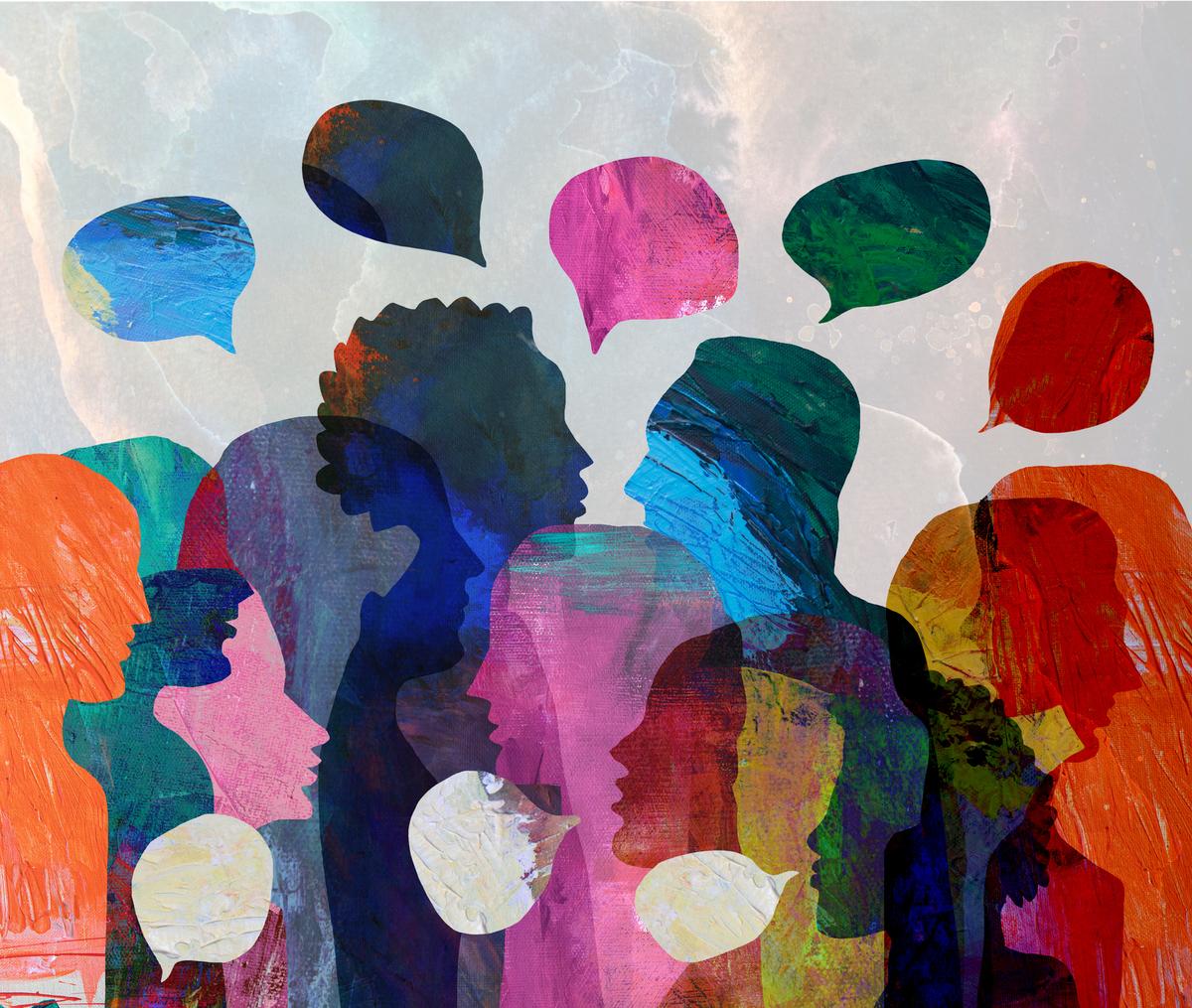
Urban millennials and Gen Z daters may know the language of healthy relationships, but ambiguity continues to hold surprising emotional power
| Photo Credit:
Getty Images/istock
And that is perhaps the central contradiction of modern dating. Never before has a generation possessed so much emotional vocabulary. People use terms like “avoidant,” “love bombing,” “breadcrumbing”, and “intermittent reinforcement” with frightening fluency. Podcasts like Call Her Daddy and Where Should We Begin? have transformed emotional confusion into cultural literacy, while books such as Attached by Amir Levine and Rachel Heller became near-essential reading for daters trying to decode emotional inconsistency.
Yet, despite all this information, people continue walking into situationships with astonishing regularity.

A Mumbai-based consultant in his early 30s says he finds the popular narrative around situationships rather dishonest. “There’s this assumption that men are always the ones perpetuating them,” he says. “Some of us fall hopelessly in love inside them.”
He recalls one situationship that began casually enough. “Initially, it’s always about the chase,” he says. “Most guys know within two or three months whether this is serious or not. Usually the thrill has an expiry date.” But this one lingered unexpectedly. “She was brilliant. Very funny. We had incredible intimacy. I genuinely loved spending time with her.”
The complication, however, was that she continued seeing other people and had been transparent about it from the beginning. “She never lied to me,” he says. “That’s the worst part because technically she did everything right.” He laughs before adding, “Nothing equips you for the emotional windfall of a situationship.”
Mumbai-based The Intimacy Curator is an intimacy and kink platform that organises workshops, community events and coaching sessions around modern relationships, sexuality and emotional wellbeing, recently introduced situationship coaching (for individuals above 21) in early May after noticing how frequently emotionally undefined relationships were showing up in conversations around intimacy and modern dating.
Founder Aili Seghetti says the offering emerged after they noticed a gap in how people discussed contemporary relationships. “Situationships aren’t a passing trend anymore,” says Aili. “They’ve become a dominant relationship structure, especially among urban millennials and Gen Z, but most people still treat them like a joke.”
What surprised her most, however, was how gendered many of the concerns were. “Heterosexual men were usually approaching me wanting to find women open to situationships,” they say. “Heterosexual and bisexual women, as well as gay men, were more likely to ask how to protect themselves from falling into one, or how to deepen an existing situationship into something more committed.”
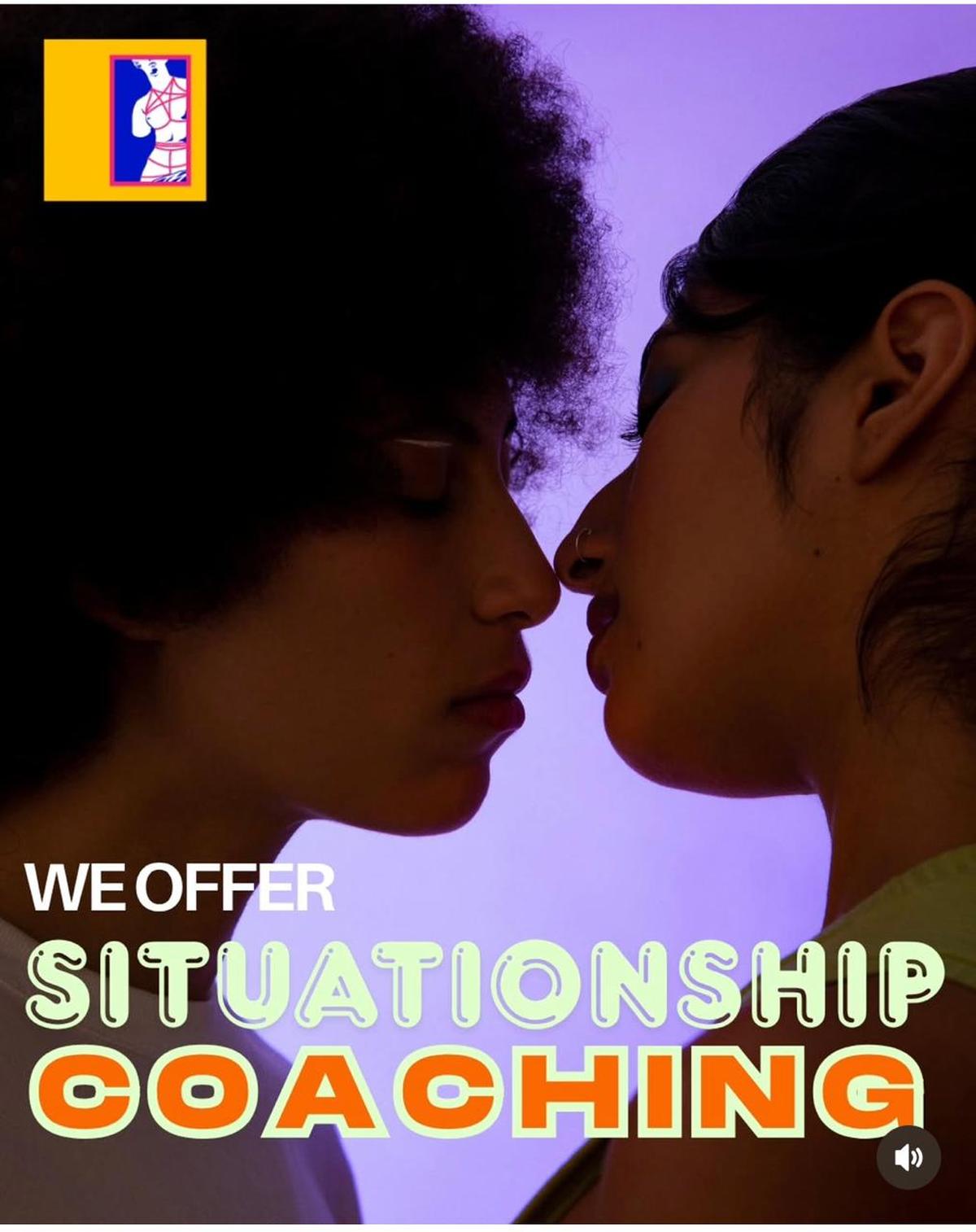
The poster for situationship coaching by The Intimacy Curator
| Photo Credit:
Special arrangement
Since launching the service through Instagram, Aili says they have received nearly 100 enquiries in just three weeks, largely from metropolitan cities. Clients typically undergo multiple one-on-one sessions focussed on building action plans around boundaries, communication and emotional clarity. “Often,” Aili adds, “people eventually realise they are actually seeking emotional connection, not just sexual freedom. Sex simply becomes the primary avenue through which they attempt to access intimacy.”
Perhaps the real irony of the situationship era is this: we are arguably the most emotionally articulate generation in history, yet not necessarily the most emotionally evolved.
A fortnightly guide to love in the age of bare minimum
Published – May 30, 2026 12:09 am IST