








Hyundai’s network of advanced design studios is helping to uncover new influences and future opportunities. Piljoong Ham explains how local insight from India is shaping the future of the brand’s design vision
Advanced design can look very different across the car industry. Some OEMs opt for an integrated approach, where advanced design is open to all and part of the wider design process. Others choose dedicated advanced design studios dotted across the globe.
One OEM that has picked the latter choice is Hyundai. Boasting four advanced design studios globally (India, South Korea, North America and Europe), Hyundai is able to tune into local emerging trends and focus on pioneering future mobility trends for a particular region – all while feeding this research back to Hyundai’s HQ.
As a result, location plays a key role in future design innovation. Car Design News spoke to Piljoong Ham, head of Hyundai India Design Centre, who oversees advanced design.
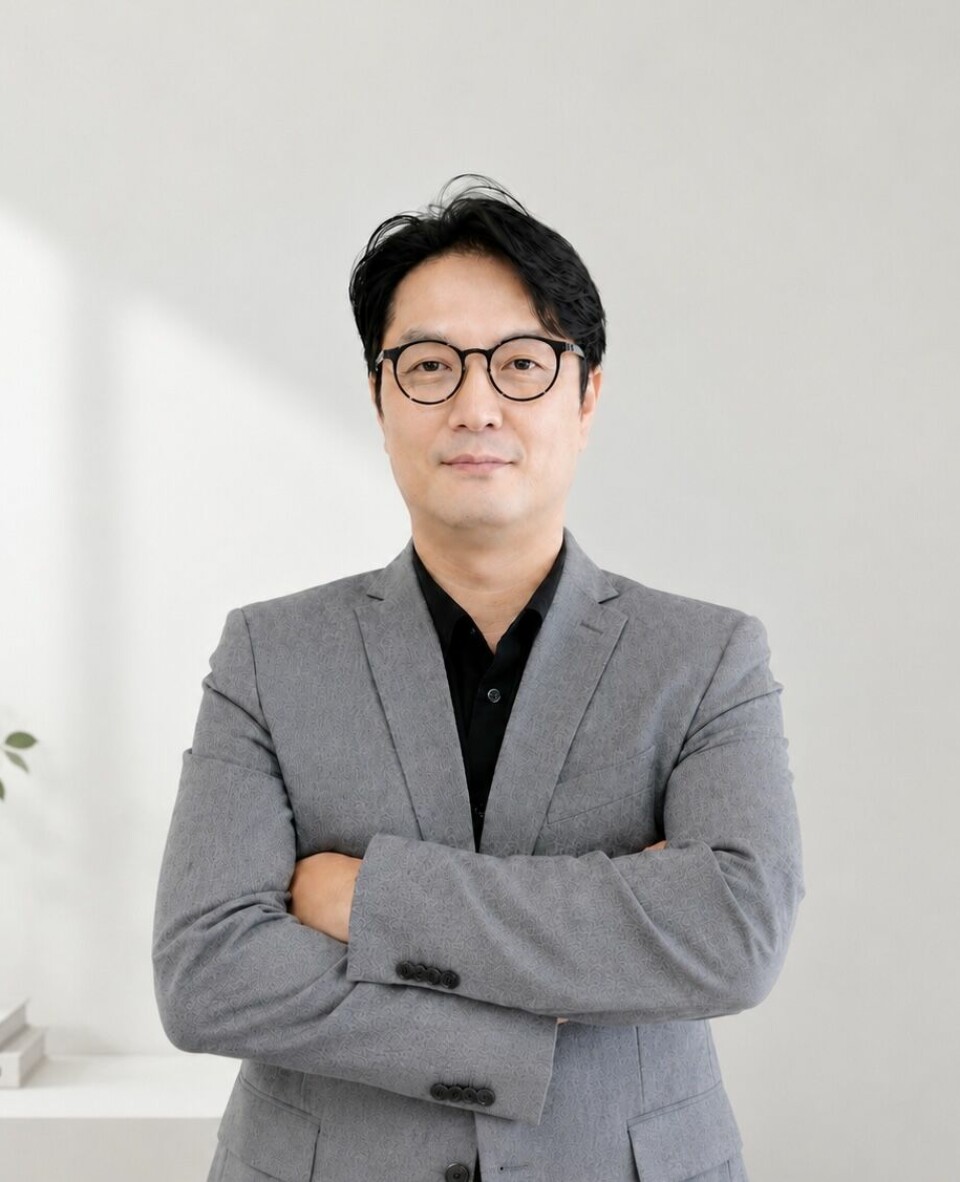
Car Design News: In terms of Hyundai India Design Centre as a whole, what role does this studio play in Hyundai’s global design network?
Piljoong Ham: India is one of the most important growth markets globally. The middle class is growing rapidly and as a result, the Indian automotive landscape is evolving faster than ever. The primary role of the Hyundai India Design centre is to define Hyundai’s design vision for the Indian market and develop products that resonate with local customers, aspirations and lifestyle. We continuously study local market trends, customer needs and cultural preferences and share this insight with Hyundai’s global design teams to support future product and design development.
Hyundai also has a global design competition where all design studios can pitch their ideas and concepts. This friendly competition helps us make sure we get the best designs possible. Once we pick a design direction, the studio team then work together until the project is done – and if we are short of resources, multiple studios help each other out to make sure we succeed. We follow the philosophy of Ubuntu – which is the belief in working together to get the best result.
CDN: Why is the advanced design studio important to Hyundai’s overall design direction?
PH: Car design is becoming more global, drawing inspiration from a wide range of cultures and markets rather than just one. India is especially important because of its strong cultural identity, beautiful visual history and unique style. It’s a key market to consider from both a cultural and mobility perspective. The India design studio is more than just about making things local – it’s actively helping Hyundai shape its future global design. By incorporating India insight into Hyundai’s global design world, we can bring emotional value that really strengthens Hyundai’s design. Our Indian designers also visit Hyundai’s global studio to learn about the broader context of global design and bring their own Indian ideas to future projects.

CDN: How exactly does the advanced design process differ from a production design process at Hyundai?
PH: The advanced design process starts early on in the product journey, with our main goal being to spot future trends, set design paths and create exciting ideas before we even start making things. But as the Indian design centre has grown, we are now also helping to shape the design vision for production projects. AI is also becoming more important in our design process; we think AI in the future will be super helpful in coming up with new ideas. Instead of spending too much time on tasks like rendering sketches, designers can use AI tools to focus on understanding what customers want, making design plans and coming up with even better ideas. We are trying out new things to boost both our creativity and our productivity.
CDN: Can you provide an example of an advanced design project that you’re particularly proud of?
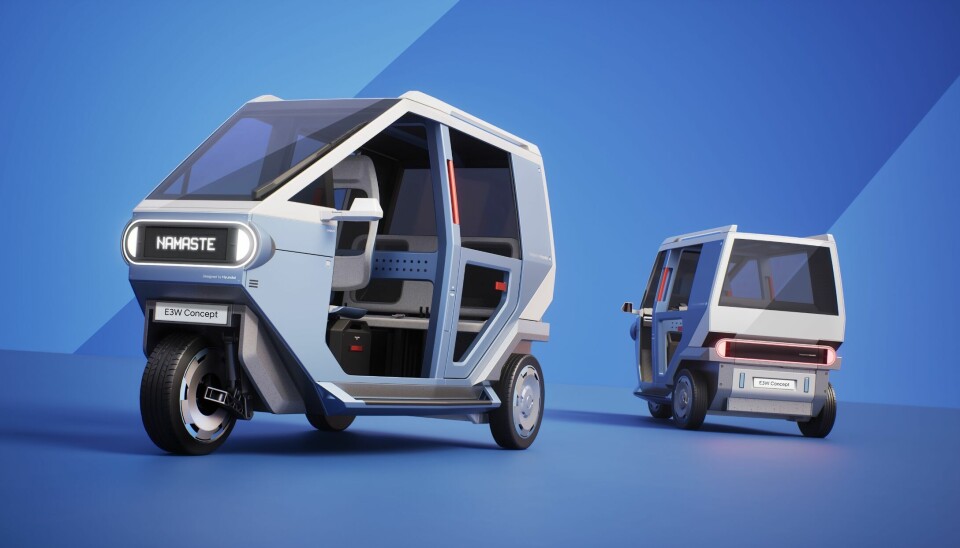
PH: One of our most exciting projects was the micro mobility concept that we showcased at the Bharat Mobility show last year in Dehli. This concept was designed to tackle India’s three-wheeler rickshaw, which has stayed pretty much the same for over 60 years. Our aim was to give this a fresh look and to create a safer, more comfortable, premium way for Indian people to get around. Lots of people were excited about this concept and we’re working on bringing this concept to life.
What really made this project special was the research we did. Instead of designing from the office, our team spent a lot of time out in the field. We met with rickshaw drivers, talking to customers and even drove rickshaws ourselves. Some team members even lived with a rickshaw driver for a while to really understand their daily life and what they face. This real-life experience helped us spot a great opportunity for innovation and ultimately shape the final design. This is just the start; we’re also working on lots of exciting future projects.
CDN: Would you say that this real-life experience is one of the benefits of being a designer at the advanced design studio?
PH: Yes, one of the biggest advantages is that designers get plenty of opportunities to absorb people, trends and real-life situations. This job is not just about making things look good, designers get to get a real feel for how people move around in the real world by doing field work. This hands-on experience helps designers get a better picture of who we are designing for.
Another benefit is that designers get to work on all sorts of cool projects, from concept cars to new and exciting ways to get around – like the electric three-wheeler. They get to help shape design plans and think about how we will get around in the future. Another plus is getting to share what you know about the Indian market with old teams around the world.
CDN: With this, what are some challenges that are unique to the advanced design team?
PH: One of the biggest things we are working on is figuring out how the Indian market will change over the next ten years. Society, technology and consumer habits are changing rapidly and it’s our job to guess how customers will want to move around in ten years’ time and turn those ideas into a vehicle.
Another challenge is being so far away from headquarters. Sometimes we can’t talk to each other because of time zones and language differences. But luckily the digital tools we use have made it much easier to work together across different countries and cultures.