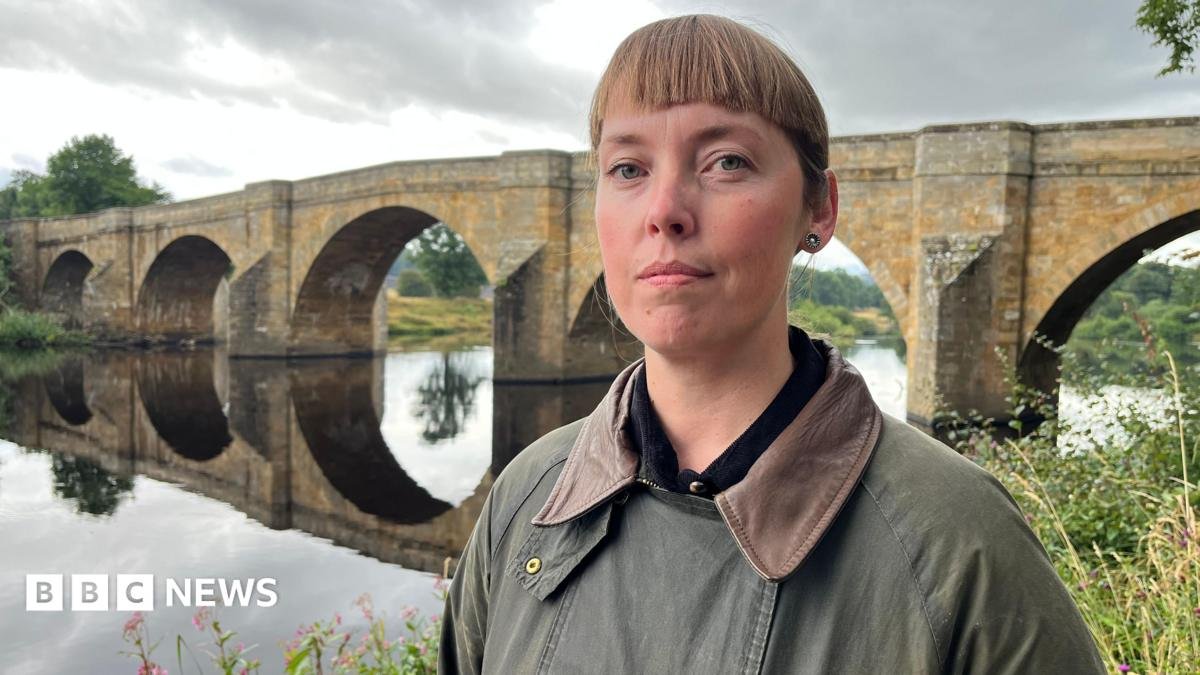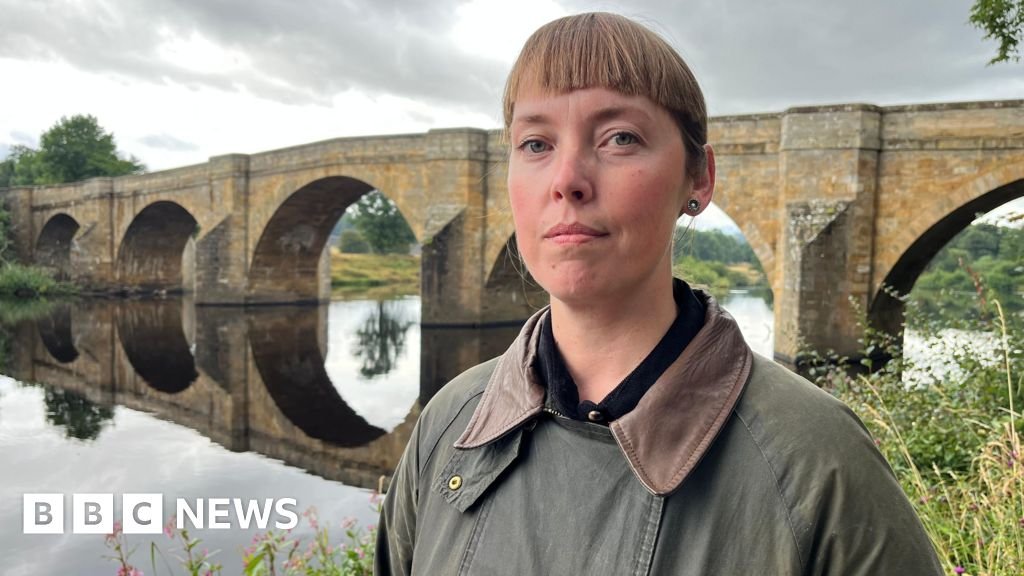
- Juliette Chapalain is Mongabay Africa’s multimedia and fellowship editor, leading the bureau’s video, podcast and fellowship initiatives.
- She has more than a decade of experience across French and international media, including TV5 Monde, Arte and BBC News.
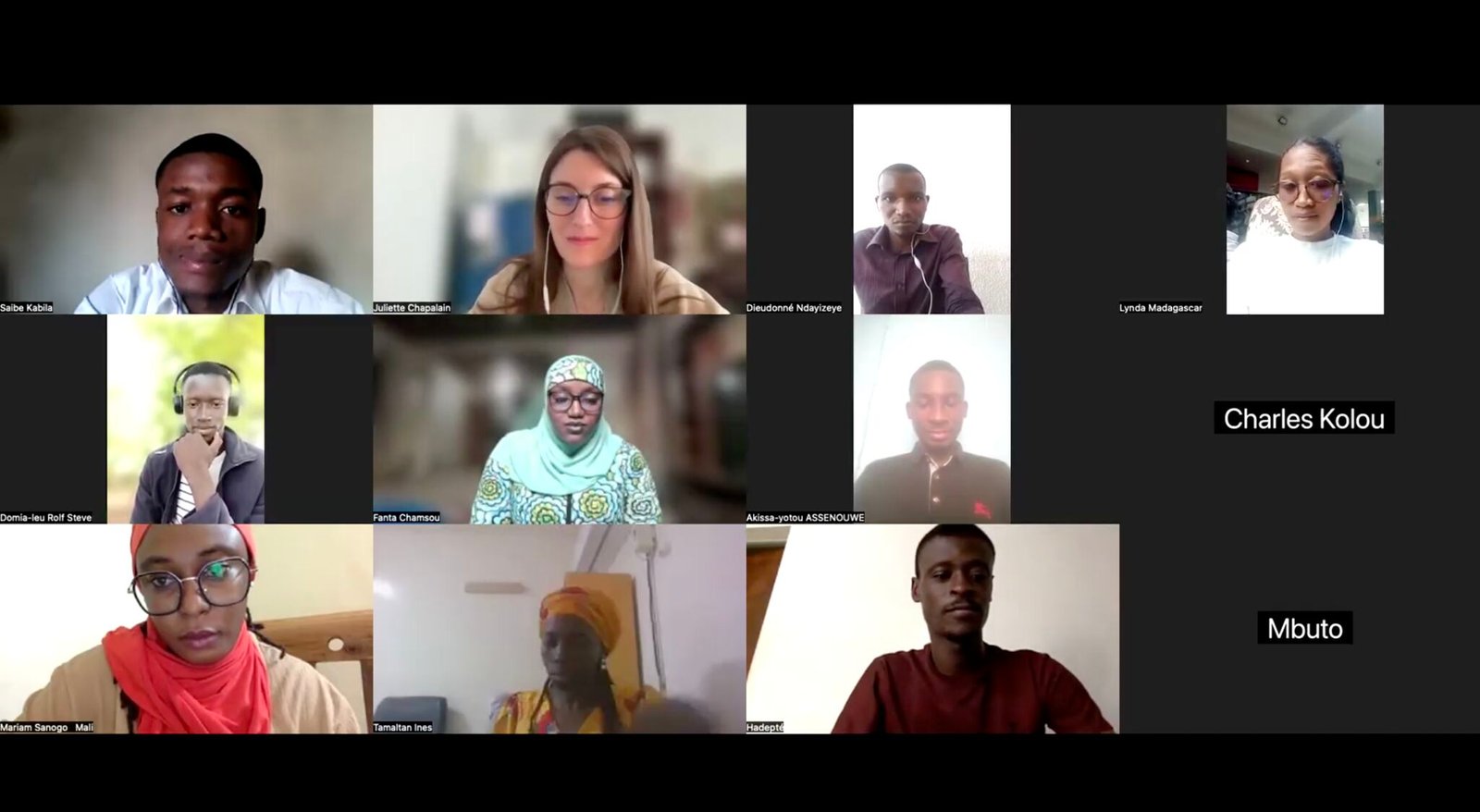
- Through Mongabay’s fellowship program, she mentors and trains African environmental journalists, helping build a diverse network of storytellers driving impact across the continent.
- This interview is part of Inside Mongabay, a series that spotlights the people who bring environmental and conservation stories to life across our global newsroom.
In 2023, Mongabay expanded its coverage of environmental news in Africa by launching a new bureau, Mongabay Africa, to address news for the continent multilingually, beginning with French and English. This expansion identified a need for multimedia journalists with real-world experience on the continent in its main languages in priority areas.
Having carved out a journalism career spanning more than a decade with a focus on African economic, social and environmental issues, which included stints in Côte d’Ivoire and Togo, for Juliette Chapalain, the opportunity to join Mongabay as fellowship and multimedia editor made perfect sense. Throughout her years, she gained versatile experience as a reporter, writer, videojournalist, producer, and director with notable French-language media outlets such as TV5 Monde, Arte, France 2, TF1, Mediapart and Libération, and later at BBC News in London.
Now, Chapalain splits her time between leading the Africa bureau’s multimedia team and guiding environmental journalists through the French-language fellowship program. “What I love about my work is that it’s editorial, creative, and also very entrepreneurial at the same time,” she says.

Through the fellowship, Chapalain also works to build a global network of highly skilled journalists focused on finding impactful stories. She has learned several lessons that she transmits to the fellows under her care: “Build and expand a trustful network of solid and diverse sources and colleagues, and protect and cultivate that network. Always.”
For Chapalain, journalism is not just about storytelling, but about raising awareness of environmental issues and driving greater impact for nature in Africa. “The African continent has the largest terrestrial carbon sink in the world, ahead of the Amazon,” she says. “What is happening there is fundamental for a sustainable ecological future on the global stage.”
What follows is a conversation with Chapalain about her career at Mongabay, including the stories she’s proudest of, and the balancing act of leading a multimedia team and instructing future generations of journalists in Africa. This interview is part of Inside Mongabay, a series that spotlights the people who bring environmental and conservation stories to life across our global newsroom.
An interview with Juliette Chapalain
Mongabay: What inspired your interest in the work you do for Mongabay?
Juliette Chapalain: My work for Mongabay is inspired by the will to give a face and a voice to the environment with impactful stories, such as a video on park rangers enforcing deadly violence in Uganda’s Queen Elizabeth National Park with our staff features writer Ashoka Mukpo, or another on how mines in the Democratic Republic of Congo might be poisoning pregnant women, by staff writer for Central Africa Didier Makal.
Mongabay deals with both solutions journalism and investigative stories, short and long formats. We work on the frontline and give a voice to those who are most severely affected by climate disasters, but that’s not all! The environment theme covers conservation of oceans, wildlife and forest, land degradation, food systems and beyond! This means endless possibilities to inform and make an impact by adapting the format to the subject matter, which is deeply interesting for a journalist.

Mongabay: What do you most enjoy about your work?
Juliette Chapalain: What I love about my work as multimedia and fellowship editor at Mongabay is that it’s editorial, creative, and also very entrepreneurial at the same time. In less than two years with a lot of room for maneuver, I had the opportunity to design, build, launch and lead a multimedia team, our video content on the Mongabay Afrique YouTube channel, a French-language podcast called Planète Mongabay (presented by our audio and video producer Jahëna Louisin available on all listening platforms), a fellowship program for prospective African environmental journalists with 24 trained journalists at this stage who are now part of our network.
I have also been invited to lead training sessions and moderate panels at international conferences in order to give direct visibility to these projects and expand our network of contributing journalists. We achieve all of this work collaboratively and remotely, which is challenging, but since it’s both concrete and rewarding, it feels meaningful to wake up every day and get to work.
Furthermore, what I really enjoy is that we achieve this work within an international team, where we are journalists and professionals from all over the planet, managing to work together and guided by the same desire to learn and transmit knowledge on life-changing topics.

Mongabay: What are the three most important editorial guidelines and values of journalism to you?
Juliette Chapalain: Trust: Providing independent, impartial and truthful news. Accountability: Delivering impactful work of the highest quality. Diversity: Reflecting the variety of cultures and alternative viewpoints to raise awareness to the largest audience.
Mongabay: How does the region you work on shape the way you report on environmental issues?
Juliette Chapalain: The African continent has the largest terrestrial carbon sink in the world, ahead of the Amazon, as well as rich fauna, flora and mineral reserves under tensions. The communities that live there have inspiring lifestyles, yet they are suffering and fighting against the effects of climate change. Covering these environmental issues and training teams there makes me realize a little more each day how fundamental what is happening there is for a sustainable ecological future on the global stage.

Mongabay: What is one of your favorite stories you’ve edited for Mongabay, and why?
Juliette Chapalain: The favorite story I led for Mongabay was a video investigation from staff writer for Central Africa Elodie Toto about “Investigating the real price of Congo’s gold,” in partnership with the Pulitzer Center’s Rainforest Investigations Network.
It was produced in the Republic of Congo, the third-largest country in the Congo Basin. We discovered that at least 79 mining permits for gold exploration or exploitation have been issued in the Sangha region since 2020, in a zone where a World Bank-funded project works to reduce deforestation and integrate the carbon credit market. The lucrative gold industry also causes pollution and contributes to deforestation — a source of conflict with the Republic of Congo’s green dream.
It’s an impactful story that reflects a situation that is more common than we think: a protected area at risk for economic reasons involving mineral resources and exploitation by another country.
Mongabay: What are three interesting takeaways from this story?
Juliette Chapalain: First, what we discovered during that investigation is that the protected forest areas on paper and by law, which are crucial planet carbon sinks in the Congo Basin and the world, were at risk for economic reasons. Second, we realized that local NGOs and Indigenous peoples and local communities are suffering from this situation and are on the frontline to fight this, with little echo. So our work was crucial to highlight their voices. And lastly, we realized that those economic deals are very political and that this situation can be stopped if it’s highlighted.

Mongabay: Do you have a behind-the-scenes moment that stands out from working on this story?
Juliette Chapalain: It was super interesting to dig with our journalist Elodie Toto on the background of the owners of the company who actually benefited from the gold mining permits. As a journalist and editor with international editorial standards, you can only deliver what you can independently verify from more than two sources. For legal reasons, for instance, and mainly to protect our contributors working in the area we cover. That’s the way we can keep working without jeopardizing both our newsroom and network in the long term. Therefore, we are 100% sure about what we tell in this story, even if we have to be careful with the wording and use a lot more conditional tenses than what we actually would like to do. So … there is more to tell …! Those permits are open data and anyone could actually have a look and do an online search!
Mongabay: What advice would you give to someone following your footsteps?
Juliette Chapalain: The advice I would give to a starter journalist is to go to the field, listen to everyone, not only the main official sources that first emerge. I would strongly advise to build and expand a trusted network of solid and diverse sources and colleagues — and protect and cultivate that network always.
Nevertheless, doubt is key! Always question information that comes too easily to you (what are the motivations behind it?), question others and yourself as well. Your intuition and sense of spotting stories will also emerge with time, learn to also listen to it and give it a try with an open mind. Follow it while protecting yourself, you might discover nothing relevant … or even more than what you think!
Also, be flexible in the field and always be prepared with a plan B (or C, D, E… ). Plan A never works and that’s OK. Try not to complain about it, and instead be solutions-oriented to contribute to maintaining a good work atmosphere despite true challenges.
Banner image: Chapalain during a workshop at the Nature, Environment, Wildlife, Filmmaking Conference in Durban, South Africa, in 2025. Image courtesy of Samuel Gichuru.