








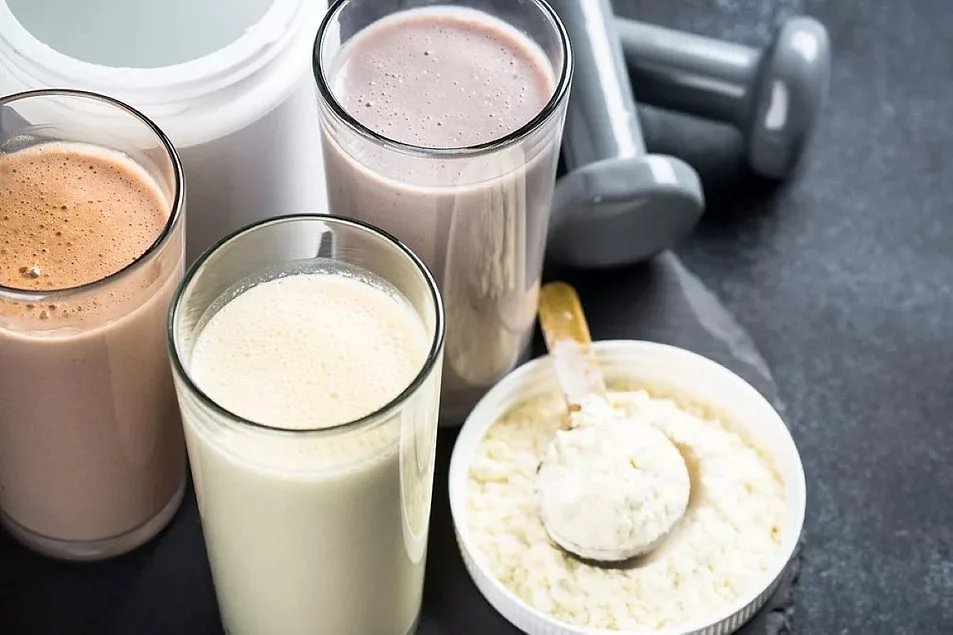
DENVER — As protein continues to dominate conversations around health and nutrition, dairy is finding itself in an increasingly favorable position. Seventy percent of US consumers now say they are trying to eat more protein, up sharply from less than 60% just four years ago, according to a recent report from Cobank.
Protein also has become one of the strongest value drivers in the supermarket. Products that make a high-protein claim can command price premiums of up to 12%, giving manufacturers a clear incentive to reformulate and market products accordingly, Cobank said. While traditional mealtimes still account for most protein consumption, eating patterns are shifting toward frequent, protein-focused snacking across the day. With more people prioritizing protein, dairy-based snacks like yogurt, cheese, and ready-to-drink beverages have become everyday dietary staples.
At the policy level, the momentum isn’t slowing. The 2025–2030 Dietary Guidelines for Americans raised recommended protein intake to as much as 1.6 grams per kg of body weight and encouraged consumers to include protein at every meal. At the same time, consumer understanding remains limited, with most Americans unsure how much protein they need. As a complete protein source, dairy has a leg up as companies work to educate shoppers and position products around nutrient density rather than restriction.
GLP-1 weight loss drugs are adding another wrinkle to the protein story. Roughly 12% of US adults now report using GLP-1 medications, a number that is only expected to grow as semaglutide medication becomes more accessible, Cobank noted in its report. While these consumers tend to eat less overall, they are prioritizing foods that deliver more nutrition in smaller portions. Yogurt, cottage cheese, and protein shakes are among the categories seeing increased interest, while dairy consumption, as a whole, has proven more resilient than many other food groups. Most GLP-1 users reported consuming the same amount of dairy as before starting the medications, Cobank said.
Ready-to-drink (RTD) dairy protein has been among the biggest winners of this shift. Cobank noted that sales of RTD dairy shakes and nutritionals have surged more than 70% over the past four years, reaching $8.1 billion in 2025. While conventional fluid milk sales remain sluggish, Cobank said many of these protein beverages fall outside traditional milk classifications. When viewed together, beverage milk demand tied to protein consumption is showing meaningful growth.
That growth is feeding back into the farm economy. Strong demand for yogurt, cultured products, and protein-forward beverages has increased utilization of Class II and Class IV milk, supporting higher milk production and providing new revenue channels for producers, Cobank said. As protein continues to anchor consumer perceptions of “healthy” food, dairy’s role looks less like a short-term trend and more like a structural shift.