The transition to a low‑carbon economy is no longer a distant ambition—it is an operational imperative. At Sappi, our decarbonisation journey is grounded in practical, scalable interventions that strengthen both environmental performance and long‑term business resilience. To date, our most significant progress has been driven by operational efficiency improvements and fuel switching, particularly through increasing the use of renewable biomass. Procuring clean or green electricity also drives our progress in some locations where it’s available. As we look ahead, electrification – powered by renewable energy – offers much opportunity to continue decarbonisation progress across industries.
However, electrification is not a silver bullet. Its climate benefit depends fundamentally on the carbon intensity of the energy sources used to create it. Moving beyond fossil thinking therefore requires a systems perspective—one that integrates electrification with renewable energy and flexible operations. This is especially relevant in pulp and paper manufacturing, where energy demand is inherently high and reliable supplies of power and steam are essential.
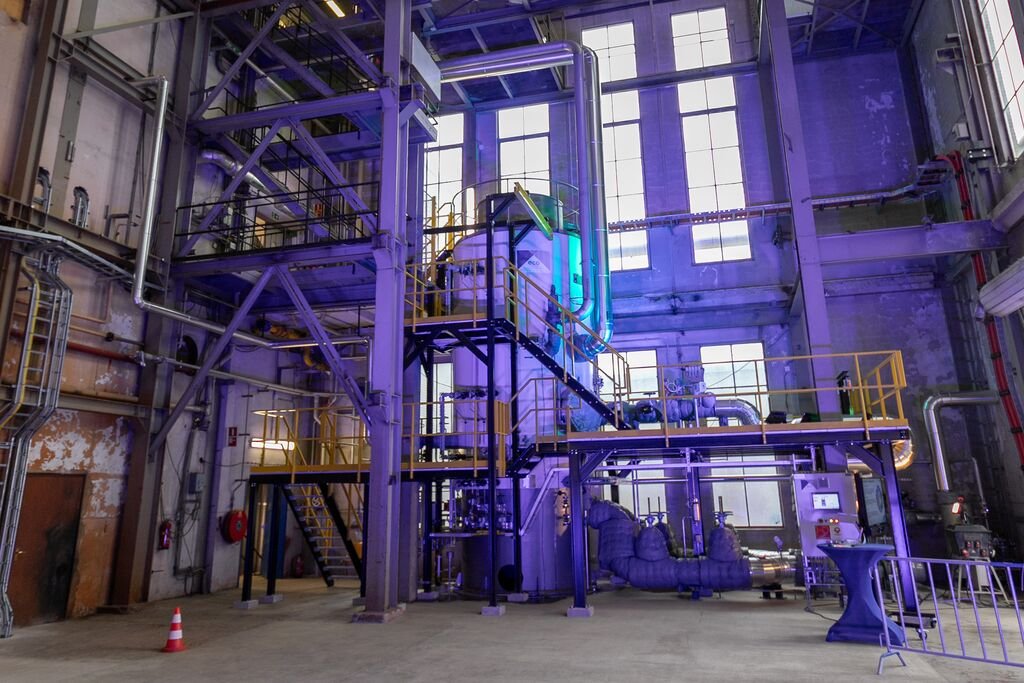
As global power grids continue to decarbonise, electrification offers a compelling pathway for reducing emissions in these energy‑intensive processes. Sappi’s investments in electric boilers and thermal energy storage at our Maastricht Mill, Netherlands, exemplifies a practical approach to this transition. The mill can produce low-carbon steam, reduce natural gas use and flexibly respond to renewable power availability, helping to stabilise the grid while cutting emissions. E-boilers provide rapid start-stop capability: when renewable power is abundant, e-boilers can displace more carbon-intensive energy sources; when renewable share in the grid is low, the mill generates its own energy from natural gas. This hybrid approach allows us to dynamically optimise both cost and carbon, ensure stability and continuity, and it positions electrification not as a standalone solution but as part of an integrated energy system.
The benefits of electrification can also extend beyond our sites and across our value chain. For instance, we are electrifying the transport elements of our value chain—from the delivery of raw materials to the distribution of finished products. In Europe, we have adopted solutions like an electric forklift at Gratkorn mill and we piloted an electric truck programme in partnership with Seifert Logistics Group and key customers in the Netherlands and Germany.
In South Africa, the context is more complex, but our approach remains forward‑looking. In February 2025, Sappi Southern Africa and Enpower Trading achieved financial close on a landmark renewable energy Power Purchase Agreement, securing delivery of 175 GWh per year of utility-scale solar power over a five-year period, sourced from SolarAfrica Energy’s SunCentral PV project.
This highlights a fundamental reality for South Africa: electrification must progress in tandem with the transformation of the energy system itself. In a coal‑heavy grid, the carbon benefits of electrification are constrained, making it essential to focus simultaneously on increasing renewable energy supply. At Sappi, we are also advancing this through expanded use of renewable biomass and investments such as the turbine at our Saiccor Mill. These efforts ensure that as we electrify, we are also reducing the carbon intensity of the energy that supports it.
We are also proactively tackling forestry transport, a source of operational emissions in the value chain. Through a pilot in Mpumalanga, Sappi is testing battery‑electric timber trucks on controlled forestry routes to assess their technical and operational performance. Early results show that electric trucks can be viable for specific applications, offering meaningful emissions‑reduction potential while maintaining efficiency. While widespread deployment will depend on improvements in charging infrastructure and a greater availability of renewable electricity, these trials ensure that we are building the capability and insight needed to scale rapidly as conditions evolve.
Beyond emissions reduction, electrification strengthens resilience. It introduces greater flexibility into our energy mix, and aligns our operations with the direction of global energy systems. At the same time, it future‑proofs our business by enabling us to adapt as grids decarbonise and technologies mature.
Ultimately, true decarbonisation is not about simply replacing one energy source with another, but about redesigning systems for a low‑carbon future. Electrification must be a core pillar of economic strategy. Companies are already acting; we now urge governments to put in place the coherent policies that incentivise system-wide electrification, ranging from investments in modern electricity systems, to prioritising affordability, to ensuring a design of electricity markets that rewards clean flexibility. At international and national level, it is important for governments to provide long-term policy certainty that inspires investment confidence across borders and that centres electrification at the forefront of the next energy economy.
Tracy Wessels is Group Head of Sustainability and Investor Relations at Sappi Limited