










Monday, 29 June 2026
The University of Nottingham is part of a consortium led by Lancaster University in a £1.8 million project, exploring how to promote sustainable work through healthy psychosocial work environments.
The psychosocial work environment refers to organising and managing work in a healthy and fair way, underpinned by a supportive social work environment. Sustainable work refers to developing workplaces and jobs that help people stay healthy throughout their working life.
The consortium of UK universities led by Lancaster University, includes the University of Nottingham; Queens University Belfast; and Birkbeck, University of London, has received a Work and Health Research Award from the National Institute for Health and Care Research (NIHR), designed to facilitate ambitious projects to tackle priorities in work and health research.
The UK is facing a crisis, with 2.78 million people out of work due to ill-health, at an estimated employer cost f £18.8 billion per year and additional NHS and welfare costs.
The sharpest increase in the last decade has been driven by mental health conditions.
Research shows that poor mental health affects workers across all age groups and backgrounds, often combining with physical health conditions to make employment harder to sustain. The impact has been particularly pronounced among young people, with mental ill-health recognised as a contributing factor to the UK reaching a record one million young people who are not in employment, education or training (NEET), costing the economy £125 billion per year.

We invest significant effort in assessing the work environment only after problems have already occurred. This reactive approach means harm has already been done and workers have already suffered.”
“By embedding AI‑driven analytics at the design stage of work systems, we can shift from retrospective assessment to anticipatory prevention. This project aims to operationalise prevention‑oriented indicators, making them visible, measurable, and actionable before psychosocial risks accumulate and impact worker and organizational health.”
This ambitious three-year research programme will support the development of updated prevention-oriented policies and metrics, which can then be translated into national, regional, sectoral, and organisational interventions, to promote sustainable work, and positive mental and physical health and wellbeing.
Building on previous work, the project team will:
Assess existing processes and policies in the UK, comparing the data with other countries and identifying areas of good practice which prevent poor mental health. They will also suggest ways the UK could improve its policies.
Find out which approaches to preventing poor mental health in the workplace work best, and which will indicate whether someone is more likely to experience good mental health and wellbeing.
Create a practical, evidence-based plan, to help turn this new knowledge into real changes in UK policies and workplace practices.
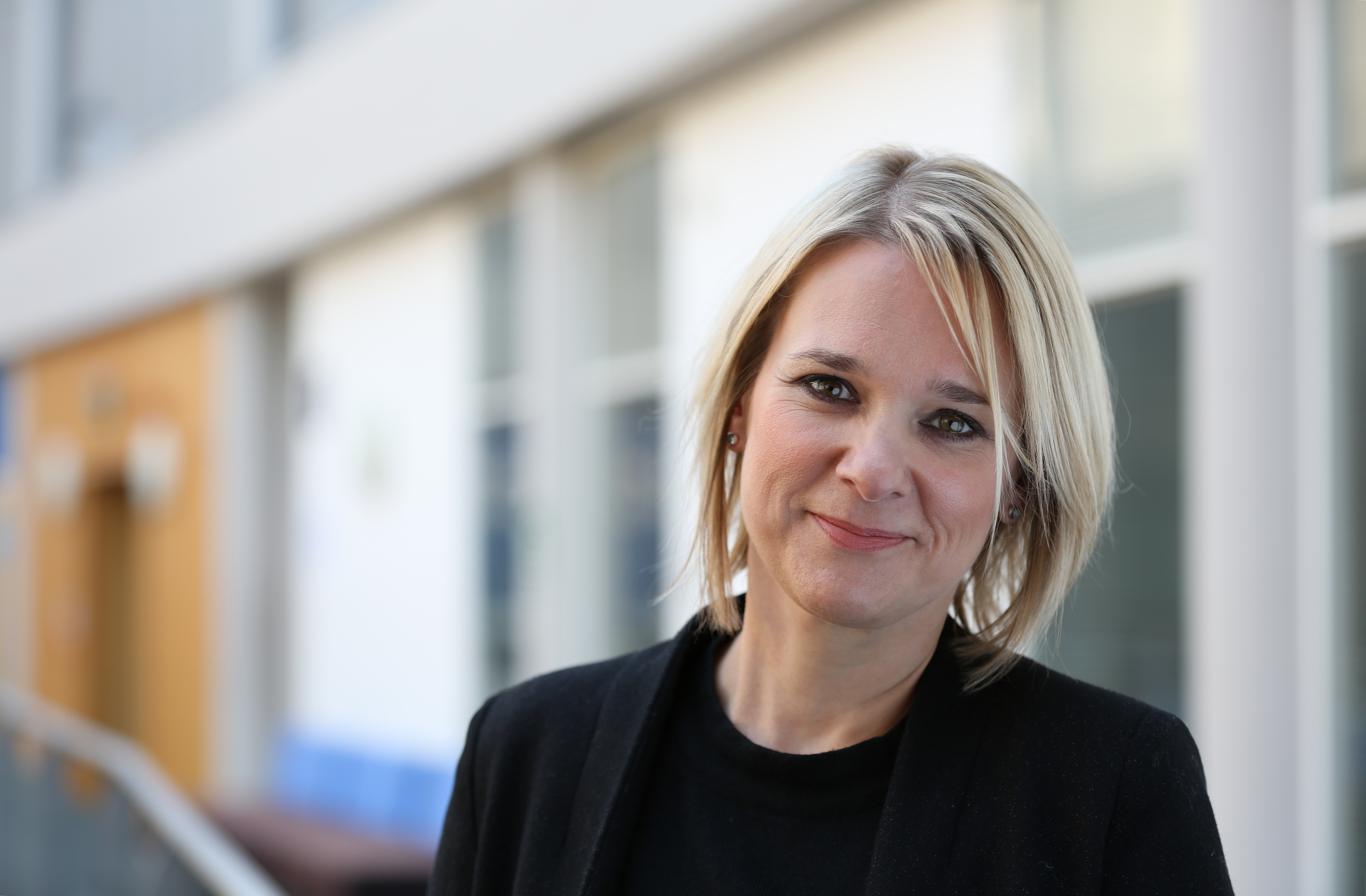
Stavroula Leka, Distinguished Professor of Organisations, Work and Health and Principal Investigator at Lancaster University, said: “While more people are economically inactive due to mental ill-health in the UK than in other countries, this is not a uniquely British challenge. Similar trends can be seen in other countries including Finland and Norway, but what makes them different is how they are responding. These countries have worked to revamp their regulation, policies and support systems, putting a healthy psychosocial work environment and sustainable work at the heart of these initiatives.
“We are at a crossroads in the UK, and we need to be brave to take decisive action to tackle systemic, culture-driven challenges and reverse the negative trends that have emerged over the past years. Our research aims at shifting the focus from mere reaction and support to forecasting and prevention to develop healthy work and organisations and a healthier society. We are excited to be embarking on this endeavour and invite those who think alike to join us on this journey.”
Story credits
More information is available from Dr Luis Torres in Nottingham University Business School, via luis.torres@nottingham.ac.uk
Notes to editors:
About the University of Nottingham
Ranked 97 in the world and 16th in the UK by the QS World University Rankings, the University of Nottingham is a founding member of Russell Group of research-intensive universities. Studying at the University of Nottingham is a life-changing experience, and we pride ourselves on unlocking the potential of our students. We have a pioneering spirit, expressed in the vision of our founder Sir Jesse Boot, which has seen us lead the way in establishing campuses in China and Malaysia – part of a globally connected network of education, research and industrial engagement.
Nottingham was crowned Sports University of the Year by The Times and Sunday Times Good University Guide 2024 – the third time it has been given the honour since 2018 – and by the Daily Mail University Guide 2024.
The university is among the best universities in the UK for the strength of our research, positioned seventh for research power in the UK according to REF 2021. The birthplace of discoveries such as MRI and ibuprofen, our innovations transform lives and tackle global problems such as sustainable food supplies, ending modern slavery, developing greener transport, and reducing reliance on fossil fuels.
The university is a major employer and industry partner – locally and globally – and our graduates are the third most targeted by the UK’s top employers, according to The Graduate Market in 2025 report by High Fliers Research. Alongside Nottingham Trent University, we lead the Universities for Nottingham initiative, a pioneering collaboration between the city’s two world-class institutions to improve levels of prosperity, opportunity, sustainability, health and wellbeing for residents in the city and region we are proud to call home. More news…