






India’s eVTOL ambitions have taken another step forward, with Bengaluru-based Sarla Aviation completing the flight-test campaign of its Sylla technology demonstrator and moving towards transition flight.
Over a six-month test programme, the half-scale demonstrator completed more than 500 test points and accumulated more than 18 hours of flight time.
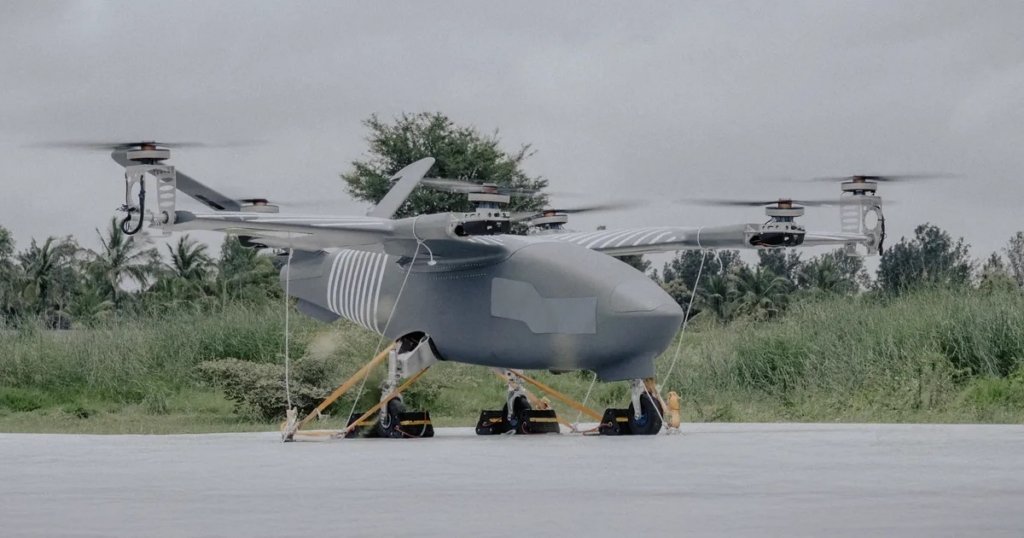
According to the company, the 700 kg-class aircraft, which has a wingspan of 7.5 metres, is the heaviest electric aircraft to have flown in India to date.
Sarla Aviation completes Sylla eVTOL flight-test campaign
The significance of the programme lies less in the number of flights than in what they were designed to achieve.
Sylla was built as an engineering testbed to evaluate how the aircraft’s major systems perform together in real flight conditions before work progresses towards a passenger-carrying aircraft.
During the campaign, engineers assessed the interaction between the electric propulsion system, battery architecture, distributed propulsion, flight-control software, airframe and landing gear as an integrated aircraft rather than as individual components.
The company said the demonstrator achieved the engineering objectives set for the programme.
With the initial campaign complete, Sarla Aviation is now moving to the next stage of development with an upgraded demonstrator known as Sylla 2.0.
Sylla 2.0 to target transition flight
Unlike the first aircraft, which focused on validating integrated systems and controlled hover, the new demonstrator will attempt controlled transition from vertical lift to sustained wing-borne flight, a critical step in the development of any winged electric vertical take-off and landing aircraft.
That transition is regarded across the advanced air mobility industry as one of the most technically challenging phases of flight.
While hovering and vertical take-off rely entirely on lift generated by electric rotors, forward flight requires the aircraft to transfer lift progressively to its wings while maintaining stability and control.
Successfully managing that change demands highly integrated flight-control software, propulsion management and aerodynamic performance.
For most developers, demonstrating a repeatable and controlled transition is considered an important milestone on the path towards certification.
Sylla flight data to shape Shunya air taxi
The company said information collected during the flight campaign has already begun feeding into the design of Sylla 2.0.
“Sylla has given us the data we set out to capture, and those learnings are already shaping our next-generation aircraft as we move towards transition and sustained wing-borne flight on our journey to our 6+1 air taxi ‘Shunya’,” said Rakesh Gaonkar, co-founder and chief technology officer of Sarla Aviation.
The company said the second demonstrator will incorporate engineering changes identified during the first campaign and concentrate on achieving a controlled transition before work advances towards a certifiable passenger aircraft.
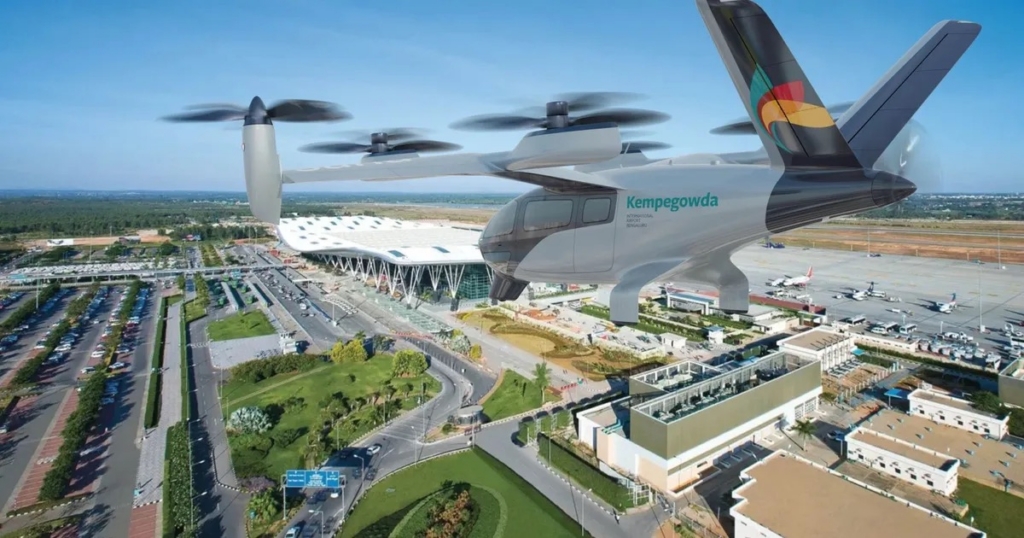
The successful completion of Sylla’s flight-testing comes as India’s advanced air mobility sector gathers pace, with several domestic companies working on electric aircraft designed for urban and regional transport.
Unlike the production aircraft currently under development, Sylla is not intended to carry passengers. Instead, it serves as a technology demonstrator, allowing engineers to validate aircraft-level integration and collect flight data before committing to a full-scale design.
India’s eVTOL sector gains momentum
Sarla Aviation’s long-term objective is to develop Shunya, a piloted eVTOL air taxi configured to carry six passengers and a pilot.
Data gathered from Sylla’s flight campaign will help refine the aircraft’s flight-control systems, propulsion architecture and overall design before the programme enters its next phase.
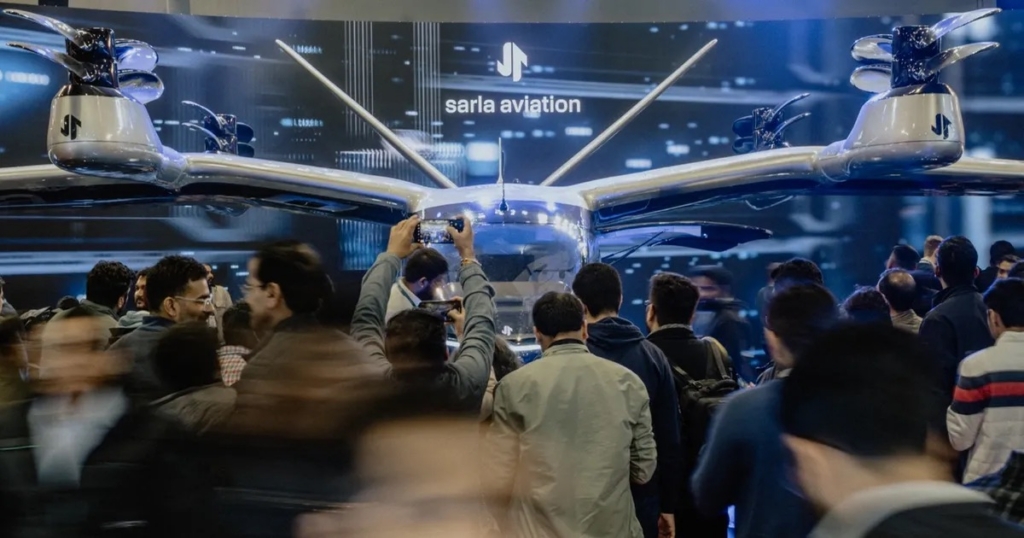
While certification and commercial operations remain several years away, completing an integrated flight-test campaign represents an important engineering milestone.
For India’s emerging eVTOL sector, it marks another step beyond computer simulations and laboratory testing towards demonstrating technologies that could eventually support commercial electric flight.