






The emblem for Manchester Super Giants is an elephant’s head. It’s not an animal normally associated with the north-west of England city. The Super Giants, though, are playing a sport that is very closely identified with Manchester.
Over the decades, Manchester’s Old Trafford cricket ground has witnessed many great matches and feats of skill and endeavour. The home of Lancashire County Cricket Club, it is shortly to host the Super Giants.
Gone, temporarily, will be the county’s historic red rose emblem, and in its place, a creature straight out of India. That’s because for the coming The Hundred competition, the venue will be the base for an India-owned team.
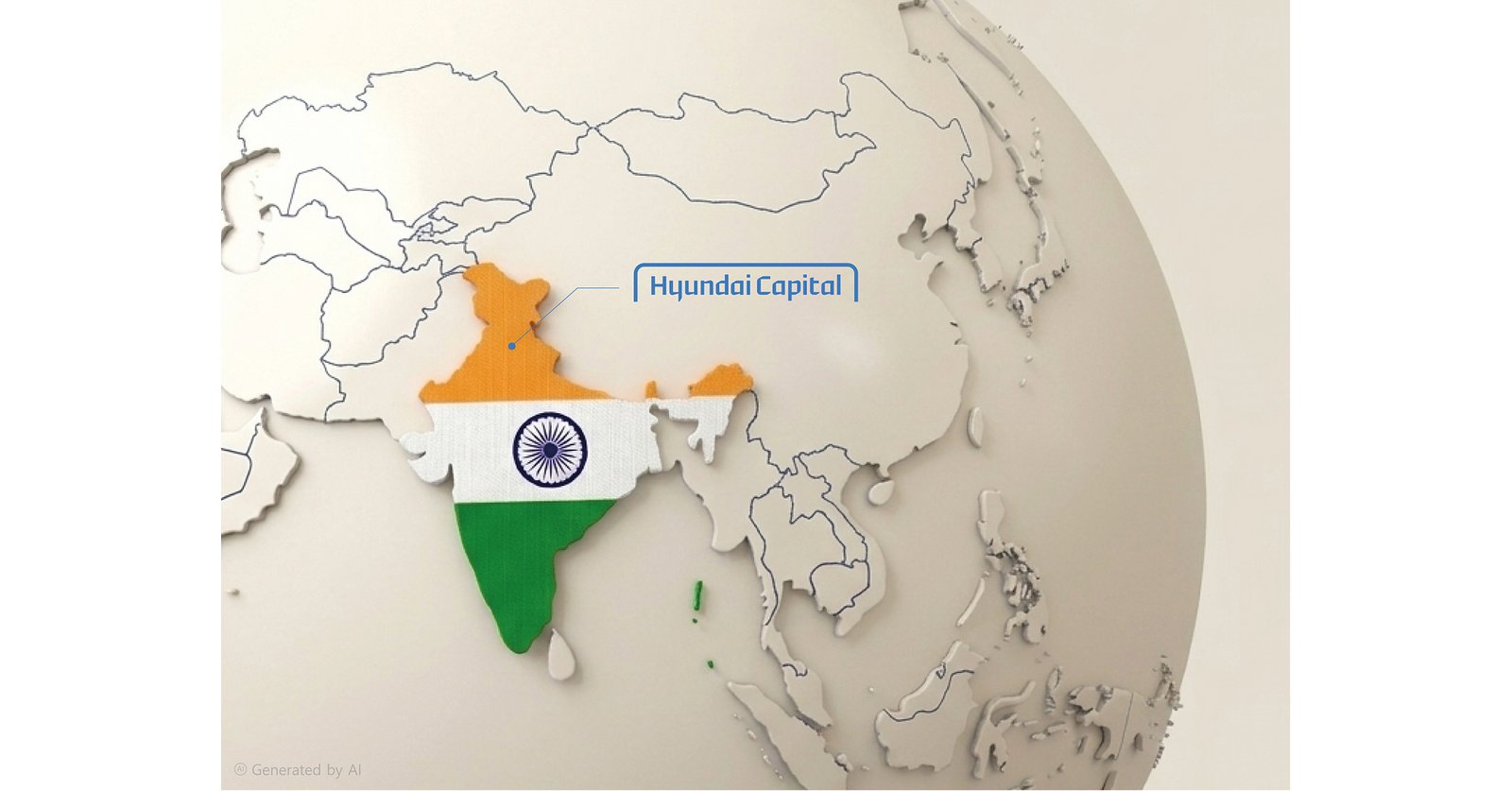
They join other Indian “franchises” in The Hundred, including neighbouring city rivals, Sunrisers Leeds, playing at Yorkshire’s Headingley.
The IPL’s Mumbai Indians are partners in MI London at Surrey’s KIA Oval. Indian owners also control Southern Brave at Hampshire’s Utilita Bowl in Southampton. The other teams in the eight-strong tournament are American: Birmingham Phoenix (Edgbaston), Trent Rockets (Trent Bridge), London Spirit (Lord’s) and Welsh Fire (Cardiff).
The very names, let alone the ownership and symbols, suggest that despite the locations, this is not cricket as we know it – not in England, anyway. That use of the US “franchise”, which is anathema to many UK sports lovers, indicates this is radically different.
What is really happening is that the super-rich kings of the IPL are marching into English cricket. MI London is Reliance Industries, preserve of the Ambani family, who own Mumbai Indians. Manchester Super Giants is RPSG Group, led by Sanjiv Goenka and holder of 70 per cent of Lucknow Super Giants.
Sunrisers Leeds is Sun TV Network, led by Kalanithi and Kavya Maran, who are also behind Sunrisers Hyderabad. Southern Brave is 49 per cent GMR Group, co-owners of the Delhi Capitals. Not to be outdone, the India connection continues with Welsh Fire, which is 50 per cent Sanjay Govil, backer of Washington Freedom in Major League Cricket in the US.
While London Spirit is majority-owned by the Tech Titans, it is also owned by a consortium that includes Nikesh Arora, chief executive of Palo Alto Networks, Satyan Gajwani, chairman of Times Internet and co-founder of Major League Cricket, and Satya Nadella, chief executive of Microsoft.
This is a million miles away from the county-ownership structure of English cricket. It’s a world of super-slick, super-luxury, super-fast travel, super-sized global deal-making and a super-smart approach to business and money-making, of which The Hundred is most definitely a part. English cricket has never seen anything so super.
Upending tradition
But while the traditional, genteel game of cricket grew slowly until settling down into an now ages-old formula, The Hundred is entirely new to this decade. It was conceived and manufactured for greater popularity and instant gratification, designed to reach a whole new audience after the Covid-19 disruption.
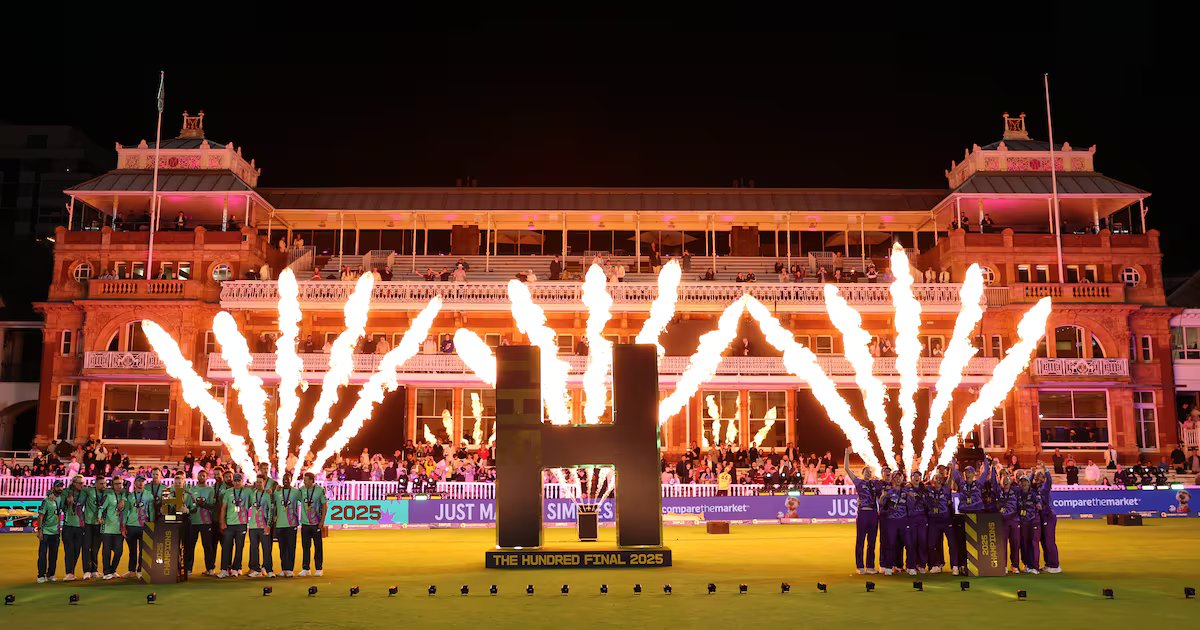
The games last two-and-a-half hours, they are shorter and made much easier to understand for a crowd largely unfamiliar with the rules and idiosyncrasies that underpin usual cricket. They are city-based, as opposed to counties that are the pillar of the English game. The games are accompanied by the sort of razzmatazz usually associated with football, NFL and baseball.
The potential popularity of The Hundred indicates an irony, that the traditional game in England is in a mess. While the Test matches involving the national side sell out and hog headlines, the county fixtures struggle. Crowds are desultory at best, media coverage is minimal, sponsorships and advertising hard to find.
The T20 Blast, also intended to appeal to a younger crowd, has failed to provide lift-off. While the T20 format, entailing 20 overs a side, is popular elsewhere in cricket, in England after a promising beginning, the Blast, as it is called, has withered.
Hence, the need for another version and the arrival of big money foreign investors, seized by the promise of new opportunity. Investors have paid a combined £635 million ($859 million) for their teams. These are unheard of amounts in English cricket.
Like T20, The Hundred uses a white ball (same as in baseball), but is confined to just 100 bowls a side, compared with the 120 in T20. The matches are even shorter in length than T20 and the men’s games are held back-to-back with the women’s. This forces an atmosphere designed to encourage women and children to attend. It’s made to excite, like baseball coming to cricket, relying on aggressive big hitting, bowling and fielding.
Temporary relief
The board and counties are happy for now anyway, because they’ve gained at least a temporary financial fix by effectively selling The Hundred; the players, the ones lucky enough to be picked that is, are delighted as they receive rewards higher than they would otherwise get. Tickets are said to be selling well, as families take advantage of deliberately reduced rates. The BBC is lined up to provide ball by ball coverage.
Everything, then, seems set fare for this year’s The Hundred, starting with MI London versus Sunrisers Leeds on July 21 and ending with the grand final on August 18.
Not quite. There is plenty of accompanying moaning that English cricket has sold its soul and that the buyers are foreign. That’s a reflection of the modern reality: major-league finance is based overseas, and there are few domestic entrepreneurs with that sort of cash who are prepared to put it into cricket anyway.
The boardroom and coaching muscle coming from India does not extend to the field of play. Yet this is also a demonstration of how India is the biggest power in the world game. The country with the largest population and the undisputed number one sport. Indian cricketers are household names, superstars. But none of their men are playing in England’s The Hundred. That’s despite the strong Indian flavour of the competition. They are barred by the Board of Control for Cricket in India from competing in foreign T20 leagues, which includes The Hundred. They can only play if they retire from home and international Indian cricket, which would make no monetary sense.
Given the strength of the Indian diaspora in the UK, their presence would have guaranteed much larger crowds and interest.
One factor within the game is the flow of talent from Pakistan into the Indian Premier League-dominated franchise.
When IPL owners bought The Hundred equivalents, that policy carried over. There have been protests, but to no avail. As it happens, there is a fixture clash for this season’s The Hundred, with Pakistan playing the West Indies at the same time.
So, no Indian or Pakistani stars. And nowhere else that has The Hundred. How long that situation can continue, given that India is calling the shots and there, the mighty, cash-rich IPL follows T20, remains to be seen.
What’s next?
If The Hundred succeeds, then fine; if it falters, then it could be curtains and demands for a rethink, from the new, monied owners, will grow. With the T20 Blast declining, it is likely that another, new knock-out will then be devised, one that merges both formats, subject to Indian liking.
It may not happen. For now, with The Hundred there is much to play for, off the field as well as on.