







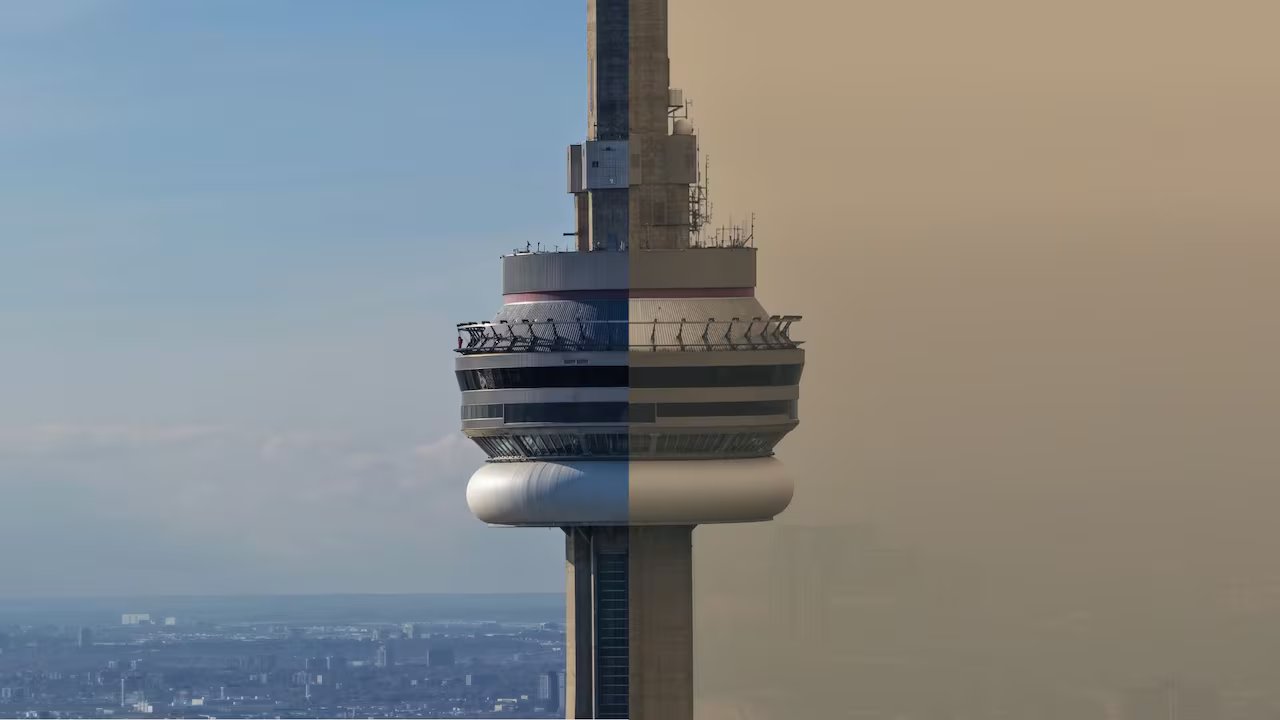
A thick, smoky haze blanketing the Greater Toronto Area is “much worse” compared to the air quality levels seen over the past few days, an Environment Canada meteorologist says.
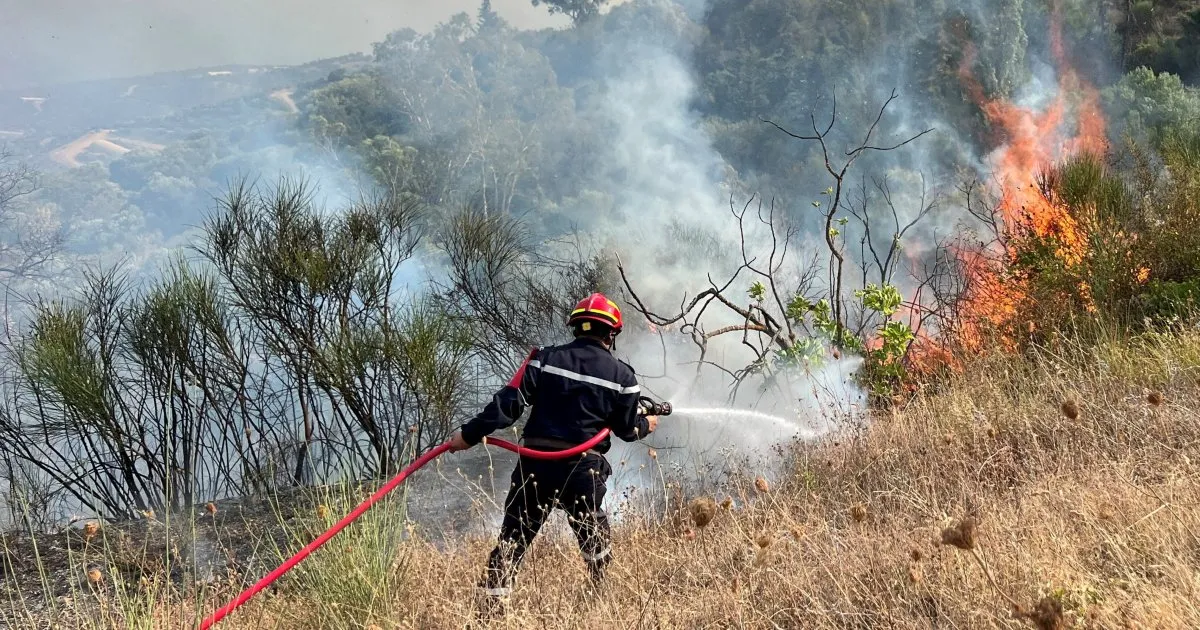
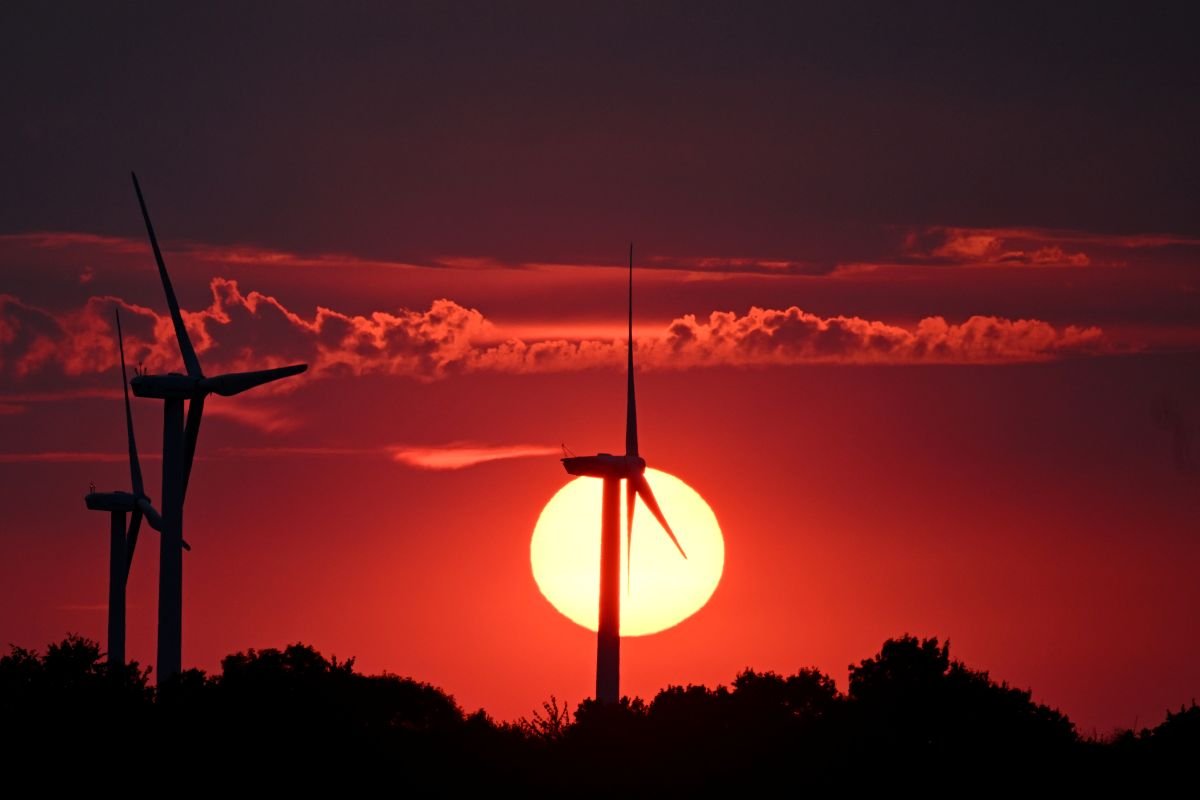
An orange-level air quality warning remains in place Thursday, as drifting smoke from forest fires in northwestern Ontario is causing “very poor air quality” and reduced visibility for much of southern Ontario, the federal weather agency says.
In the warning, Environment Canada says conditions could improve temporarily for some areas on Friday but it could persist into the weekend for others.
Environment Canada urged people to cancel outdoor events and to wear a “well-fitted and properly worn” mask, such as an N95, to reduce exposure to fine particles in the smoke.
“During heavy smoke conditions, everyone’s health is at risk regardless of their age or health status,” it said in the warning.
Meteorologist Peter Kimbell said there is more fine particulate matter, also known as PM 2.5, in the air from the smoke Thursday compared to the last two days in Toronto. These airborne particles are less than 2.5 micrometres in diameter, smaller than a strand of human hair, and can travel deep into your lungs.
Kimbell said there was about 300 micrograms/cubic metre of PM 2.5 in the air Thursday, whereas on Wednesday there was about 90 to 100 micrograms/cubic metre.

“So we seem to be in a spike right now that is pretty, pretty bad and that may last for a few hours yet before conditions improve this evening,” said Kimbell.
Normally the level of PM 2.5 should remain below 30 micrograms/cubic metre and anything above 60 micrograms/cubic metre is concerning enough to issue a warning, he said.
The air quality health index (AQHI) across the GTA, including Mississauga, downtown Toronto and Oshawa, was at 10 for “high risk” or at 10+ for “very high risk” as of 12:45 p.m. Thursday. On Wednesday, AQHI levels were at 10+ until noon and then decreased down to 7 through the day.
Toronto ranked fourth on Thursday afternoon in a list of the world’s most polluted cities, according to a global ranking by IQAir, a Swiss air quality technology company. For some time on Wednesday, the city was first before dropping down in the ranks.
Temporary smoke relief expected Thursday night, Friday
Some improvement in the air quality is expected Thursday night and Friday as winds change direction to head southwest away from the GTA, Kimbell said.
“Things may get worse again” as smoke is expected to come back on Friday night, but hopefully will not last long due to forecasts for rain on Saturday, he said.
“It’s basically going to be up and down, but generally speaking it should be an improvement.”

Toronto residents say they’re concerned about the air quality as a heavy layer of wildfire smoke blankets the city. CBC’s Clara Pasieka breaks down what you need to know about the poor air quality.
Smoke, poor air quality ‘new normal’ as fires burn: expert
Dr. Michelle Murti, Toronto’s medical officer of health, said her eyes “started burning” as soon as she stepped out the door this morning.
“I wish those were our soccer scores instead of our air quality scores, but that’s where we are,” Murti told CBC Radio’s Metro Morning.
People should get used to seeing smoke or other impacts from wildfires in the near future, said Jeffrey Siegel, a University of Toronto professor who researches air quality.
“I believe that this is the new normal, the data shows that very, very clearly,” he said, adding the province and municipalities should develop more strategies to mitigate impacts to health.

Siegel said there is no safe suggestion for how much time people can spend outdoors. But anyone venturing out should wear a mask and limit physical activity.
Murti warned that extended exposure to smoke over time can exacerbate health conditions like asthma and increase the risk for cancer, dementia and neurodevelopmental delays in children.
Environment Canada warned residents may experience symptoms including headaches, eye and throat irritation, wheezing or chest pains.
Seniors, pregnant people, young children, people who work outdoors and those with existing health conditions are more likely to be impacted by the wildfire smoke. They’re advised to avoid going outdoors and to seek medical attention if experiencing symptoms.
Outdoor workers mask up, others stay home
Outdoor workers are donning masks, taking breaks or staying home altogether as wildfire smoke wafts across southern Ontario and health officials raise concerns.
Environment Canada says the air quality in Toronto continues to be “very high risk,” with warnings in place from Windsor to Kingston.
Chris Smith, who runs Toronto home building company Woodsmith Construction, says he’s cancelled work on two of his company’s four projects for the day.
Smith himself says he finished his workday Wednesday with burning eyes and a “massive headache.”
However, landscaping labourer Andre Carreira says he and seven co-workers continue to plant boxwoods this afternoon, working in the shade and wearing respirator masks.
Use air purifiers to reduce smoke smell indoors: experts
Several people took to social media early Thursday morning to note the smell of smoke inside their homes. That is not unexpected, said Siegel, but noted there are ways to reduce the smell and any impacts.
He advised people with a central forced air system to have the fan running and to ensure a good filter is in place. Anyone without that system can either purchase or build their own portable filter, he said.
Murti said people should avoid turning on exhaust fans and to set ventilation systems to recirculate air. She also recommended people dig out air purifiers they may have purchased during the COVID-19 pandemic.
The city said CampTO trips and outdoor programs have been either cancelled or moved indoors, while all city-run outdoor pools are closed.
Toronto has also has opened six “cleaner air spaces” at city hall, Metro Hall, North York Civic Centre, Scarborough Civic Centre, York Civic Centre and East York Civic Centre. Murti said the city has tested the air quality in all of those locations.
Peel Public Health also issued a warning Wednesday, adding residents staying indoors should avoid smoking, vaping, frying foods and vacuuming to reduce air pollution inside.