







In the heart of Delhi, young voices are once again making themselves heard at Jantar Mantar. The ongoing Cockroach Janta Party protest has drawn attention to how citizen movements, especially those led by the youth, continue to test and strengthen democratic spaces.
Rang De Basanti, Yuva, No One Killed Jessica, Sardar Udham and Main Azaad Hoon featuring actor Amitabh Bachchan captured this idea powerfully across different eras. These films didn’t glorify unrest. Instead, they showed protest as a natural expression of citizenship — a way for the young to engage with the system and demand accountability.
Rang De Basanti (2006) remains the undisputed blueprint for cinematic dissent. A group of carefree, seemingly apolitical friends is introduced to the lives of revolutionaries and freedom fighters Chandrashekhar Azad, Bhagat Singh, Rajguru, Ashfaqullah Khan and Bismil through a documentary shoot. What begins as casual fun slowly connects their present to the nation’s past. The film beautifully bridges history with democracy’s future, showing how the spirit of dissent can inspire modern youth to act.
Their transformation culminates in a candlelight vigil at India Gate. The sequence captured how personal awakening can quietly fuel public resistance. Rang De Basanti, directed by Rakeysh Omprakash Mehra, proved that remembering past sacrifices often becomes the first step towards safeguarding today’s democratic values.
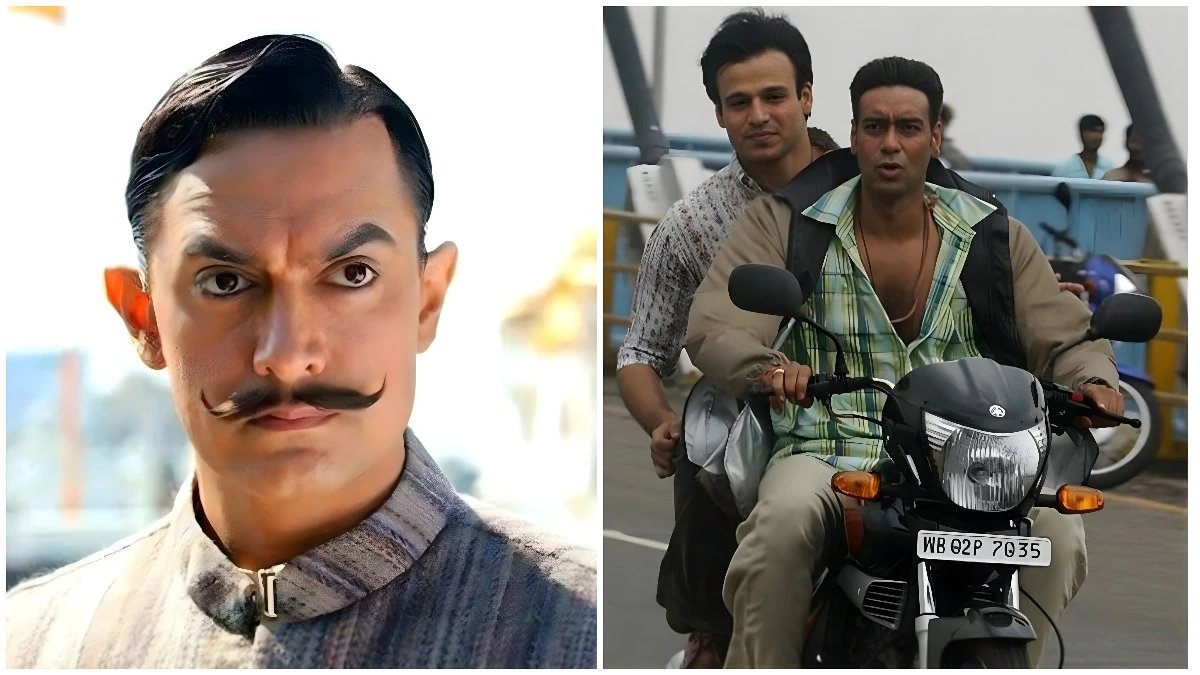
Shift the lens to director Mani Ratnam’s Yuva, and the energy of youth activism gets even grittier. Actor Ajay Devgn’s character Michael, a seasoned activist, passionately advocates for the young to step into politics and drive real change. His conversations with actor Vivek Oberoi’s aspirational Arjun highlight how individual discontent must translate into organised action for systemic reform.
The film portrays protest as both messy and meaningful. It shows campuses and streets as natural arenas where democracy renews itself through debate and defiance. Michael’s conviction remains one of Hindi cinema’s clearest calls for youth to own their political destiny.
If Yuva was about the noise of resistance, No One Killed Jessica showed the quiet, unstoppable power of unity. At its centre was the fight for justice for Jessica Lall, where a silent candlelight vigil transformed into a roaring public movement. It was a sharp reminder to young India that coming together peacefully remains one of democracy’s most potent tools.
To feel the real weight of collective action, look at Main Azaad Hoon and its unforgettable anthem, Itne Baazu Itne Sar, sung by Amitabh Bachchan. The song taps into something deeply human: the moment isolated frustration transforms into genuine strength as people choose to stand together against injustice.
The line between past and present hits even deeper in director Shoojit Sircar’s Sardar Udham through actor Vicky Kaushal’s memorable monologues. The film’s philosophy on democracy and dissent is unflinching: silence in the face of injustice is complicity, and remembrance of past resistance is necessary to confront present failures.
Udham’s journey underscores that true patriotism often demands questioning authority, even at great personal cost. Kaushal’s restrained intensity makes these ideas feel immediate and deeply human.
At their heart, these films reframed how we view dissent—not as chaos, but as a community claiming its voice. They normalised a fundamental truth: a society is only as strong as its people’s willingness to speak up when something feels broken.
As voices continue to carry across Jantar Mantar, that on-screen legacy feels strikingly immediate. Cinema captured the spark and preserved it, but real life is where it actually catches fire.
The films showed us what was possible. The people out there right now are making it real.
– Ends