








Ministers have ignored a report warning that Britain’s food supply is on course to collapse, The Times can reveal.
The report, finished in 2024, said that climate change, habitat loss and geopolitical instability were undermining Britain’s food security to such a degree that it could be “at strategic risk of catastrophic failure” by 2030.
Drawing on dozens of scientific papers, the authors warned that environmental policies were insufficient to reverse the decline of the soils, pollinators, water courses and habitats on which farmers depended and said that “transformational change” was required to restore them.
Status of Defra’s critical systems to 2030 and beyond, seen by The Times, was commissioned before the 2024 election by civil servants at the Department for Environment, Farming and Rural Affairs (Defra).

Tasked with identifying looming threats to the underpinnings of modern life, its authors in the Defra Futures team, an expert group of civil servants, concluded that not only Britain’s food supply but also its water supply and international trade networks were “almost certain” to be “on a decline and collapse trajectory”, meaning there was “a realistic possibility that by 2030 (increasing to 2050) our food, water and natural ecosystems (etc) are at strategic risk of catastrophic failure”.
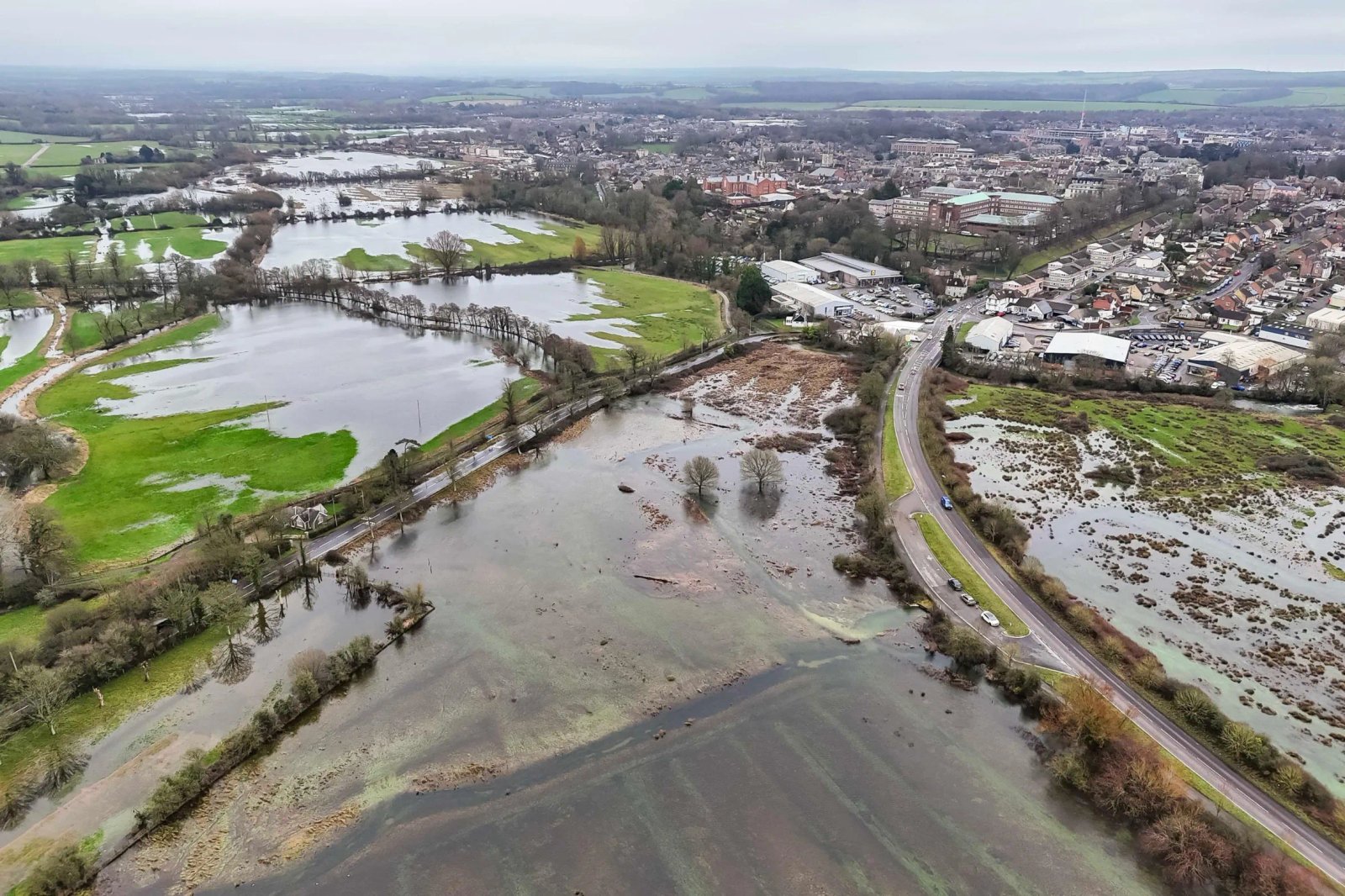
The authors predicted that chronic pressures on Britain’s food supply, such as worsening droughts and floods, could combine with geopolitical crises to produce shocks to the food system.
Their findings have surfaced only days after Tom Bradshaw, president of the National Farmers Union, warned that the Iran war could lead to a spike in food prices comparable to that resulting from the Russian invasions of Ukraine.

Before the Iran conflict, a third of the world’s seaborne trade in fertiliser flowed through the Strait of Hormuz. Many farmers in Britain are ill-prepared to pay more for fertiliser because extreme weather made last year’s harvest the second-worst on record.
Although the report was commissioned to inform the incoming Labour government, Defra did not include it in its handover briefings. The Defra Futures team was disbanded the following spring, ostensibly to cut costs.
When Rupert Read, co-director of the campaign group the Climate Majority Project, asked under a Freedom of Information request for the report to be published, the government claimed to have no record of it.

Tim Lang, emeritus professor of food policy at City University, said the government appeared to have ignored the “credible and sober assessment”.
Last week, the government published its land-use framework, a plan to secure food supply and restore habitats by 2050. The plan contained no suggestion that climate change and nature loss could be catastrophic to Britain’s food supply and social fabric.
The government has committed £2 billion a year to nature-friendly farming subsidies, incentivising farmers to plant hedgerows and use organic fertiliser. But the Wildlife Trusts, the National Trust and the RSPB have said that this budget would have to rise to £5.9 billion to stop habitat decline.
The report echoes warnings from a group of anonymous food industry executives, whose whistleblowing memo was published in The Grocer magazine in April. They said their sector had “reached a moment of threat to food security like none other we have seen” and that companies were woefully unprepared for the effects of soil degradation, climate change and water shortages.
Laurie Laybourn, executive director of the think tank Strategic Climate Risks Initiative, said the report was not a “prediction that collapse is inevitable” but a “warning that on the current trajectory, under current policies, collapse becomes a real possibility”. He added: “There’s a huge amount that can be done to minimise that possibility, such as moving away more quickly from fossil fuels and growing more food locally.”
In 2024, Britain grew only 57 per cent of the food it consumed. Lang called for the creation of a food security council to set government targets on increasing this proportion. He also called for a reduction in cattle farming because half of Britain’s wheat harvest is at present fed to livestock. “That’s a very strange use of land,” he said.
He added that a bigger share of profits from food should go to farmers rather than to supermarkets and restaurants. “The British people spend about £250 billion a year on food,” he said. “Only about 5 to 8 per cent of that goes to farmers. If that were doubled, it would make very little difference to consumers. You’ve got to incentivise growers to grow. They’re not going to do it if they’re not going to make money from it.
“Why is the public not being consulted about this? Under what conditions would the government come clean that the public’s access to food might be compromised?”
A Defra spokesman said: “Food security is national security, and our high degree of food security is built on both strong domestic production and imports through stable trade routes.
“This government is investing billions in the development of new technology to increase yields, develop climate resilient crops as part of our commitment to maintain food production levels and help farmers produce more food. Alongside this, we are increasing our water supply by building new reservoirs for the first time in 30 years, ensuring our food and water security is safeguarded for the future.”