








A ‘super El Niño’ could plunge the UK into a freezing and wet winter after baking the rest of the world, experts warn.
Every three to seven years or so, global temperatures are pushed by a naturally occurring weather system called El Niño that shifts ocean winds.
But an El Niño supercharged by climate change, which has already begun, is slated to be especially powerful and smash heat records.
Extreme rainfall, powerful storms and drought across some areas of the globe are all in the cards, if they haven’t already happened.
And this ‘Super El Niño’ pattern could have a big impact on the UK’s weather come next year.
Sign up for all of the latest stories
Start your day informed with Metro’s News Updates newsletter or get Breaking News alerts the moment it happens.
What is El Niño?

It’s nothing new, nor are humans to blame for it. El Niño was seen well before people raised the planet’s temperatures by burning fossil fuels.
No two El Niño events are the same, but they happen when changing air pressure weakens trade winds, which blow warm oceanic water out west.
Without this wind, more water kept toasty by the sun pools in the central and eastern Pacific Ocean and releases stored-up heat.
‘An El Niño is declared when sea surface temperatures in parts of the Pacific Ocean are at least 0.5°C above the long-term average,’ Aimee Mook, a curator at the National Maritime Museum, tells Metro.
Mook says that this is what determines how ‘super’ an El Niño is, with Australia’s Bureau of Meteorology expecting this year’s to peak at 3.3°C.

‘Climate models suggest it could be among the strongest seen in recent decades,’ The Ocean Map author adds.
‘When El Niño occurs in a world that is already warming because of climate change, its impacts can be more noticeable.’
By mucking up where warm water is, El Niño makes some parts of the world wetter and others drier, as more or less rain forms.
Mook adds that when thinking of this ancient quirk, it’s important to know the difference between weather and climate.
‘You can think about it like your wardrobe,’ she says. ‘Climate refers to all the clothes you have and wear over your lifetime, including all the seasons. Weather is the outfit you choose to wear on that particular day.’
How will the El Niño affect the UK?
It’s hard to say for sure, as the El Niño is only just gathering strength and the effects will play out in the winter and next year.
Huge blobs of warm, moist air are now rising from the sea surface, which can form thunderstorms and raise precipitation levels.
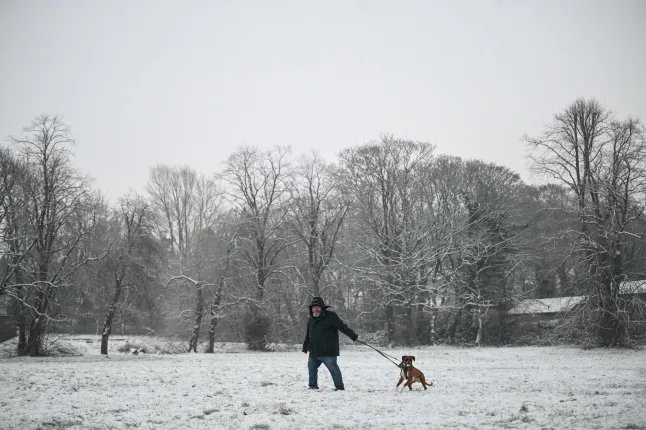
This could make the winter wetter or even snowier-than-average, dragging out the cold until as far as April, as some climate experts predict.
But Jim NR Dale, a meteorologist with the British Weather Services, says it’s still too early to tell.
‘I wouldn’t bet on anything UK-orientated but wetter winters, particularly after this summer, appear more likely than not in our “new” climate zone,’ he says.
‘But all of that is set against ongoing climate change. Winner takes all, but a draw is entirely possible.’
Super El Niño will only ‘side glance’ the UK in terms of extreme weather, Dale adds, but the same can’t be said elsewhere.
As the oceans and atmosphere are cooked, it increases the availability of energy and moisture that fuel fierce weather.
In the US, the effects of El Niño are evenly split – the north sees little rain and scorching heatwaves, while the south gets drenched by winter storms.
El Niño can create warm, dry conditions in Asia and the Indian subcontinent, drying out their rainy seasons and causing wildfires and crop-ravaging droughts.
‘The knock-on effects are likely to be shortages and steep price rises in agricultural commodities such as cocoa, coffee and rice,’ says Dale.
Australia and the wider Oceania typically see below-average rains and bracing for wildfires. Aussie weather officials say that state capital cities have at least an 80% chance of an unusually warm and dry spring.
But what will impact the entire world, adds Dale, are the ‘migration issues due to people living in regions that cannot sustain life.’
Get in touch with our news team by emailing us at webnews@metro.co.uk.
For more stories like this, check our news page.
MORE: Millions warned of life-threatening conditions as Tropical Storm Bertha heads toward US
MORE: Chris Packham issues come and get me to EastEnders – and he knows the role he wants