Tyne Rivers Trust has warned that the impact of the nurdle spill, which began after a collision at the Port of Tyne on July 19, may take months or years to understand.
The environmental charity said the tiny pellets, used to make plastic products, pose a persistent danger to wildlife and habitats.
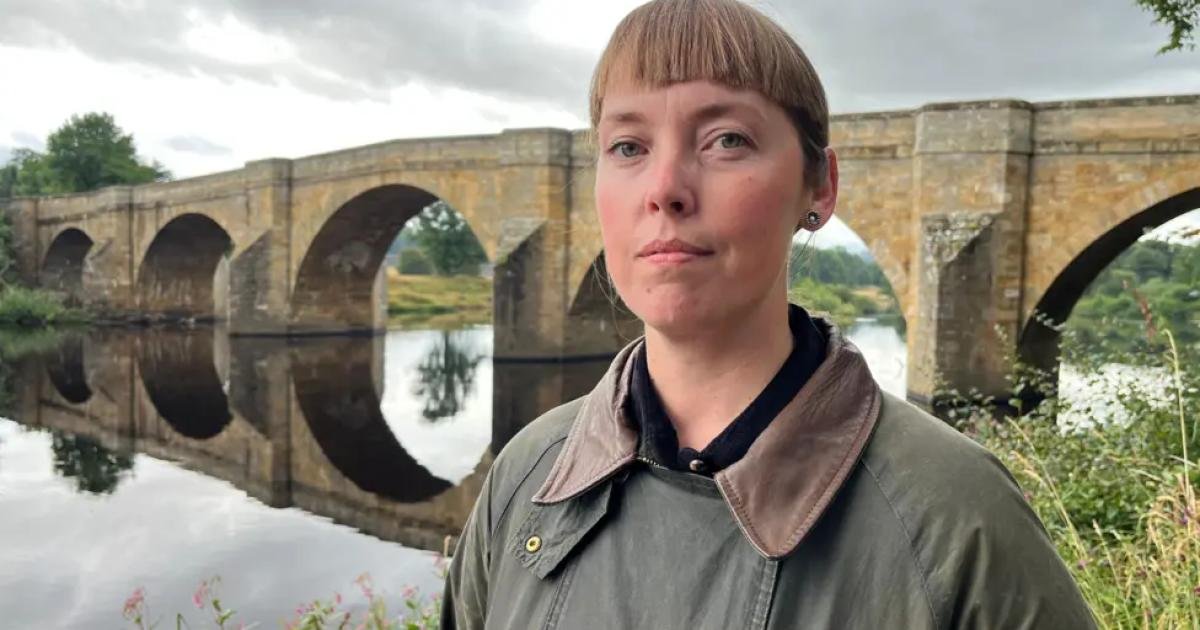
Sophia Stovall, chief executive officer of Tyne Rivers Trust, said: “It is far too early to know the full environmental consequences of this incident, but experience from other major nurdle spills suggests it is unlikely to be remembered solely as a short-term clean-up problem.
“Nurdles are extremely difficult to recover completely once they enter a river or marine environment.
“They can be transported by tides, currents and wind, become trapped within habitats and continue to move through the river, estuary and coastline long after the initial incident.”
Nurdles, which measure between 1mm and 5mm, can be mistaken for food by fish, seabirds, and other wildlife.
Ingestion can cause physical harm, malnutrition, and starvation.
The Trust has praised the response from residents, volunteers and organisations working to recover the pellets but cautioned that the problem extends beyond immediate clean-up efforts.

Ms Stovall said: “The response from communities across the North East has been remarkable.
“People have given up their time to help protect the Tyne, our coastline and local wildlife.
“Every pellet removed is one less pellet in the environment, and volunteers are making a real contribution to reducing the potential for further harm.”
Tyne Rivers Trust is now shifting focus towards long-term impact assessment and collaboration with partners.
Ms Stovall said: “Recovery is only part of the story.
“The longer-term challenge is understanding what this incident means for fish, wildlife, habitats and the wider river ecosystem over months and years, not simply days and weeks.”
Last week, Cadeler, operator of the Wind Orca, said it “shares the deep concern” over the incident.
“We recognise the potential environmental impact of the nurdles that have dispersed north and south of the Tyne estuary,” said its spokesperson.
“We continue to engage with all relevant stakeholders who are leading the specialist pollution response, and we are committed to supporting a coordinated approach to minimise the impact on the environment and local communities.”
Tyne Rivers Trust said it is seeking discussions with the Port of Tyne and other partners about the future response, including environmental monitoring, coordinated observations, data sharing, volunteer involvement and the “lessons that should be learned” from the incident.
Ms Stovall said: “Prevention must remain the most effective form of environmental protection.”
As of Monday (August 3), the Port of Tyne said the nurdle salvage operation was “complete” and that it had moved on to the next phase of the recovery, which was to involve volunteers.
The port added that chief executive Matt Beeton and senior executives had met volunteers and environmental campaigners to discuss how the community can support the clean-up effort.
Mr Beeton reportedly detailed how the port has put together “a plan of action” which will allow volunteers to help on the river in a safe and controlled manner.