








Salad Sales Wilt Amid Cyclospora Outbreaks, Sparking Industry-Wide Concerns
NEW YORK – August 7, 2026 – The typically vibrant summer salad season has been unexpectedly sidelined this year, as a widespread cyclospora outbreak has left consumers wary of leafy greens, significantly impacting restaurant chains and grocery sales across the nation.
The extent of consumer apprehension is evident in recent data. Chopt Creative Salad Co. saw a dramatic 24% drop in traffic on July 18th, immediately following the Food and Drug Administration’s (FDA) announcement of the outbreak. Salad giant Sweetgreen reported a 6-percentage-point impact on its July same-store sales due to cyclospora fears, leading the company to cut its full-year outlook. Perhaps the most striking indicator of the crisis’s severity is the recent Chapter 11 bankruptcy filing by upstart chain Salad and Go, which attributed its closure of all locations to the outbreak exacerbating existing business challenges.
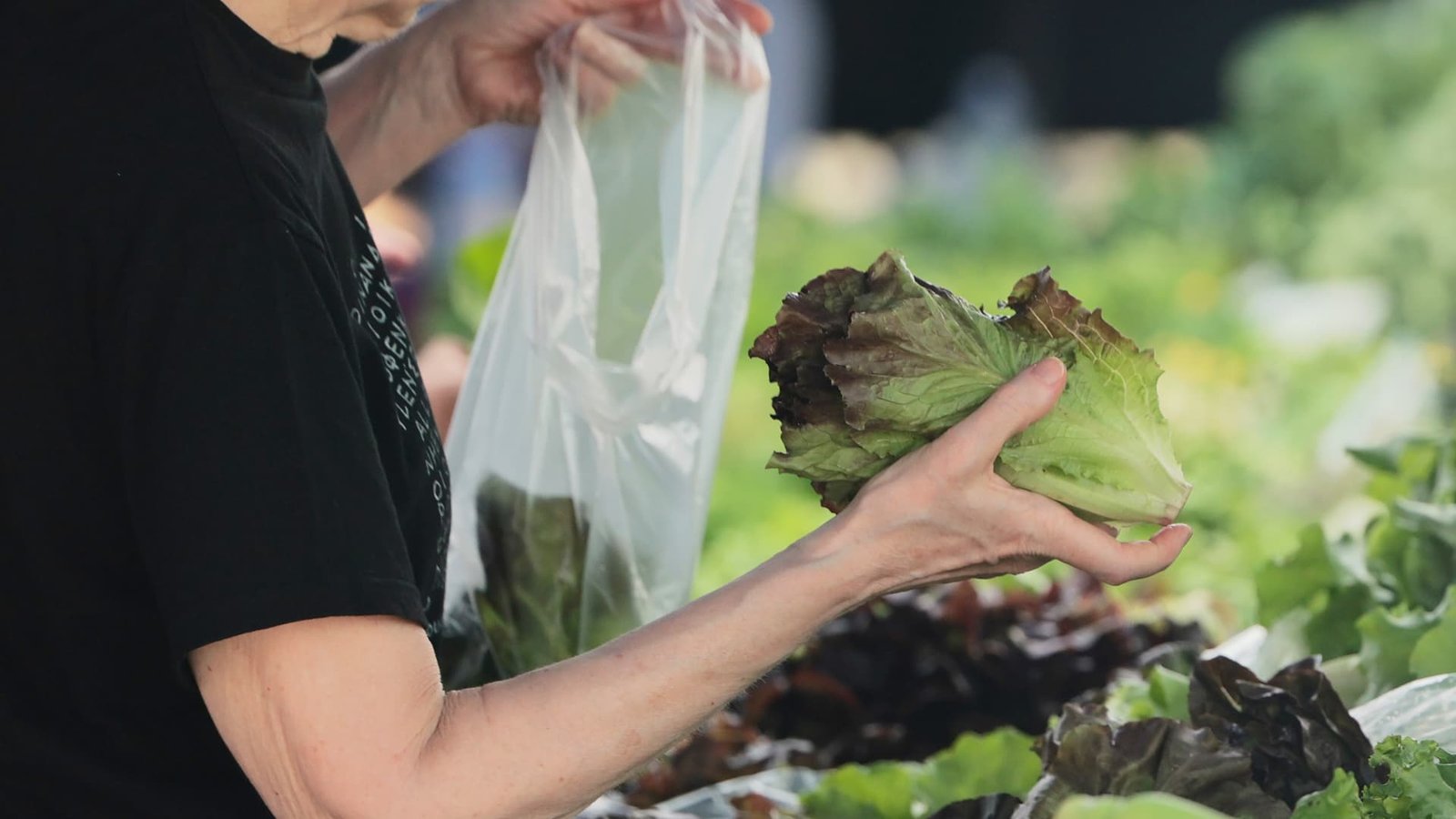
People shop at the Union Square Greenmarket on August 07, 2026 in New York City.
Michael M. Santiago | Getty Images News | Getty Images
The ripple effect extends beyond prepared meals. NielsenIQ data reveals that dollar sales of prepackaged salads plummeted 14% during the four weeks ending July 25th compared to the same period last year.
The FDA has pinpointed iceberg lettuce processed at Taylor Farms’ central Mexico facility as the likely source of the main outbreak, which has sickened at least 10,000 people. Taylor Farms has initiated a voluntary recall of affected products.
Yum Brands’ Taco Bell is the only national restaurant chain directly linked to this specific multi-state outbreak. Despite its frequent use of iceberg lettuce in popular menu items like the Crunchwrap Supreme, Yum executives reported in late July that business was already recovering after an initial slump following the FDA announcement. However, the FDA is concurrently tracking at least six other active outbreaks with smaller reported cases and no clear culprit, highlighting the difficulty in tracing the source of cyclosporiasis due to its long incubation period.
Cyclospora, a water-borne parasite, typically spreads through contaminated produce such as lettuce, green onions, raspberries, and fresh herbs. While a primary source has been identified, the FDA advises consumers to take extra precautions, including discarding outer layers of fruits and vegetables, to minimize exposure risk.
Broader Impact and Damage Control Strategies
The fear of contamination has prompted many diners to entirely avoid salads and greens. Even Chipotle Mexican Grill, which offers romaine lettuce and uses fresh cilantro, has experienced a dip in sales. Chipotle CFO Adam Rymer noted a “softening, call it about 200 basis points or so” in the second half of July, directly attributable to the cyclospora issue. This comes as Chipotle also deals with a separate salmonella outbreak linked to potentially contaminated jalapeno peppers.
In response, restaurant chains are actively engaging in damage control. Sweetgreen CEO Jonathan Neman took to X (formerly Twitter) to emphasize that their restaurants have never served iceberg lettuce and exclusively source their greens from the U.S. Similarly, Just Salad founder and CEO Nick Kenner detailed his chain’s rigorous food safety measures on LinkedIn, including double washing and peeling outer leaves of romaine and kale. Chopt also issued a statement on Instagram reassuring customers of their commitment to food safety.
Signs of Recovery and Consumer Resilience
There are emerging signs that the worst may be over. The Michigan Health Department, representing the state hardest hit with over 12,400 cases and two fatalities, announced on Thursday that residents can now safely consume lettuce and salad greens as new infections have slowed. “The broad, precautionary recommendation to avoid bagged salad mixes during the Cyclospora outbreak is no longer in effect,” the agency stated, advising residents to resume their usual food handling practices.
Despite the widespread panic, not all consumers have abandoned their love for greens. Sherine Naveed, a 35-year-old laser technician, was seen enjoying her usual Sweetgreen salad in downtown Manhattan on Friday, unfazed by the outbreak. “I have two kids,” she remarked, “They’re already pretty germ-y.” This sentiment suggests a segment of the population remains resilient to the food safety concerns, offering a glimmer of hope for the beleaguered salad industry.
Cava, another fast-casual chain known for its bowls and salads, is set to release its quarterly results next Tuesday, which will shed further light on the broader financial impact of the cyclospora scare across the industry.