








"Dil Chahta Hai": A Quarter-Century On, The Film That Redefined Modern Indian Youth and Cinema
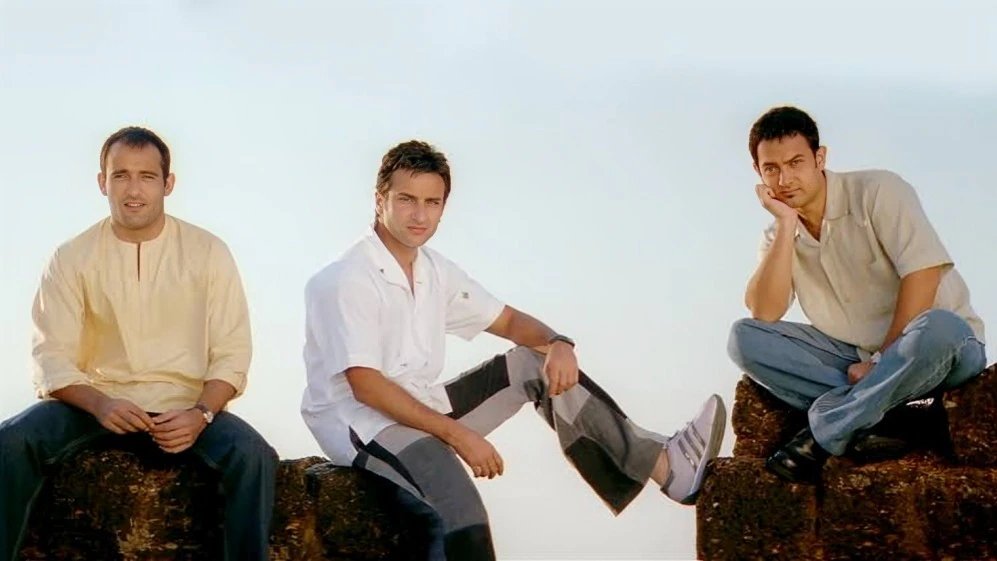
Mumbai, India – August 10, 2026 – Exactly twenty-five years ago today, a film premiered that, in its own understated way, profoundly altered the landscape of Hindi cinema. On August 10, 2001, "Dil Chahta Hai" introduced audiences to Akash, Sameer, and Siddharth (Sid) – three friends whose Goa road trip, fraught with arguments about love, mutual annoyance, and eventual reconciliation, felt remarkably, refreshingly real. This cinematic portrayal struck a chord, making Hindi cinema suddenly mirror the nuances of everyday life for a burgeoning generation.
The film’s protagonists were relatable figures with jobs, girlfriends, burgeoning egos, and a penchant for expensive holidays. They conversed fluidly in both Hindi and English, clashing over both deeply significant matters and trivialities. While undeniably privileged, their on-screen personas were also messy, humorous, and navigating the uncertainties of adulthood.
Twenty-five years later, "Dil Chahta Hai" remains etched in the collective memory, not just as a film but as a cultural touchstone. People vividly recall where they were when they first experienced its magic.
While it didn’t invent friendship-centric narratives, urban stories, or naturalistic storytelling, "Dil Chahta Hai" achieved something perhaps more crucial: it seamlessly integrated these elements into the mainstream of Hindi cinema, making them feel entirely at home. Before its release, Hindi films featured numerous young characters, but Akash, Sameer, and Sid distinguished themselves by sounding like genuine friends. Their conversations were punctuated by interruptions, teasing, mid-sentence language switches, and the awkward silences that often accompany real-life interactions. The absence of dramatic monologues to convey every hurt feeling was a significant part of its enduring charm.
Farhan Akhtar, making his directorial debut, crafted a film that resonated with the generation he intimately understood. This opened a floodgate for filmmakers, empowering them to explore their own lives, cities, and anxieties without conforming to established Bollywood formulas. Subsequent films, while not direct copies, carried the "Dil Chahta Hai" spirit – from "Zindagi Na Milegi Dobara" and "Wake Up Sid" to "Yeh Jawaani Hai Deewani" and, more recently, "Kho Gaye Hum Kahan." Young filmmakers were no longer compelled to feign understanding of youth; they could authentically represent it.
Hindi cinema had always celebrated friendship, but "Dil Chahta Hai" elevated it to the central theme. Akash, Sameer, and Sid were not archetypes but distinct individuals: Akash, restless and commitment-phobic; Sameer, hopelessly romantic; and Sid, quiet and introspective. Their love for each other, despite their differences and occasional misunderstandings, imbued their friendship with unparalleled believability. Their greatest crisis wasn’t an external villain but the uncomfortable realization of personal evolution – a concept that resonated widely.
The modern Hindi friendship film owes a substantial debt to "Dil Chahta Hai": the iconic road trips, the emotional reunions, the petty arguments, the inside jokes, and, most poignantly, the underlying fear that closest friends might drift into strangers.
The film’s meticulous world-building also played a crucial role. The Mumbai apartments felt lived-in, the fashion was contemporary, and the cars, cafes, and holidays, while aspirational, avoided being a mere display of opulence. Goa, in particular, transcended its picturesque setting to become an integral part of the mythology of youthful liberation. The film exuded style without ever appearing to overtly strive for it – a crucial distinction.
For a generation growing up in a rapidly globalizing India, "Dil Chahta Hai" offered a portrayal of urban youth that was both contemporary and authentic. It deftly navigated the complexities of identity, demonstrating that being Indian and being modern were not mutually exclusive but intertwined realities.
Even the soundtrack of "Dil Chahta Hai" stood apart from its contemporaries, with songs that felt integral to the narrative rather than mere interruptions. "Koi Kahe Kehta Rahe" embodied the unbridled spirit of friends claiming the night. "Tanhayee" perfectly captured the loneliness that can accompany heartbreak, even amidst strong friendships. And "Jaane Kyon" resonated with the unnameable restlessness of youth, facing an uncertain future. The music moved organically with the characters, establishing another lasting influence: songs could propel the story, convey unspoken emotions, or simply encapsulate a feeling beyond the reach of dialogue.
Did it truly revolutionize Bollywood overnight? Not quite. "Dil Chahta Hai" didn’t eradicate melodrama, render the single-hero film obsolete, or transform Hindi cinema into a collection of solely urban narratives. Its world, too, was undeniably privileged, depicting young men who could afford luxury cars, Goa holidays, and lives far removed from the majority of Indians. However, its influence was never about replacing one cinematic style with another.
Its true legacy lies in the permission it granted. Permission for three actors to co-headline a film without one overshadowing the others. Permission for friendship to hold as much narrative weight as romance. Permission for characters to be uncertain, flawed, and emotionally awkward. Permission for a mainstream Hindi film to be intimate without being small. Most significantly, it empowered filmmakers to draw inspiration from their immediate surroundings.
Twenty-five years on, this may be "Dil Chahta Hai"’s most profound achievement. It didn’t invent a new Bollywood, but it instilled in the industry the belief that being contemporary, authentic, and reflective of modern life could be a powerful and successful cinematic endeavor.
Published On: Aug 10, 2026 16:41 IST