









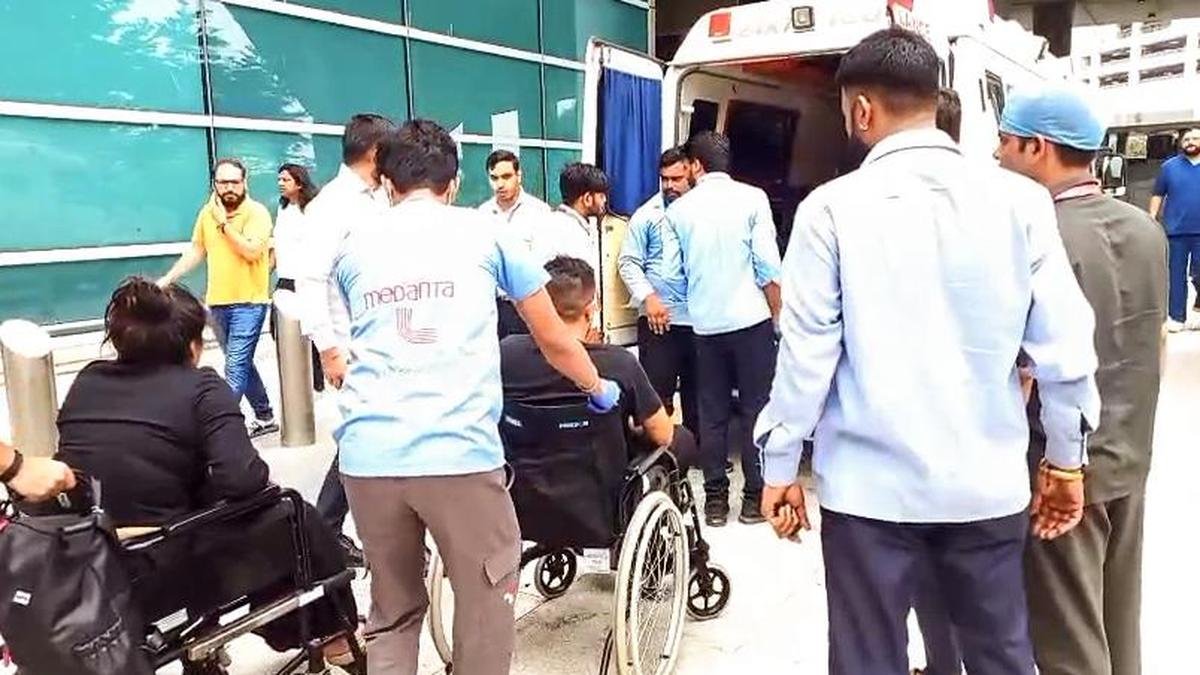
New Delhi, August 10, 2026 – The Air India Phuket-Delhi flight, which resulted in injuries to 17 individuals on board on August 4, experienced a series of technical failures involving its hydraulic and flight-control systems, according to multiple informed sources. This information contradicts the airline’s initial explanation of “in-flight turbulence” as the cause of the “momentary loss in altitude.”
Air India flight AI 2379, an Airbus A320 neo, reportedly encountered a cascade of technical malfunctions approximately 2.5 hours after its 6:56 a.m. departure from Phuket. At 9:32 a.m. IST, the aircraft began to show low-pressure indications and failures across its hydraulic systems. Sources described the occurrence as “extremely rare,” noting that the issues affected one or two hydraulic systems at a time, with various combinations impacting all three independent systems. These systems are crucial for operating primary flight controls, landing gear, nose-wheel steering, thrust reversers, flaps, slats, and braking systems.
Following the hydraulic failures, the autopilot disconnected, and simultaneous fault indications appeared for both the left and right elevators, which are essential for controlling the aircraft’s pitch (moving the nose up or down).
An automated post-flight maintenance report documented nine fault messages within a single minute, indicating failures and warning indications in different hydraulic systems, either individually or in combinations.
As the aircraft pitched upwards and a stall warning, signaling a loss of lift or height, was triggered, one of the pilots manually intervened. This pilot attempted to push the aircraft’s nose down, a significant control input that sources suggest caused the aircraft to lose approximately 300 feet of altitude instantaneously, throwing passengers and crew upwards. Technical records show no further fault messages after this intervention, suggesting that the flight-control systems were recovered by the pilots. The precise relationship between these technical failures, the flight-control response, and the subsequent altitude excursion is currently under investigation.
The pilots ultimately decided to continue to Delhi instead of diverting to a closer airport, prioritizing the availability of better medical facilities for the injured passengers and essential aircraft engineering support in the capital.
The incident has been officially classified as a serious incident and is now under investigation by the Aircraft Accident Investigation Bureau (AAIB). Neither Air India nor the Ministry of Civil Aviation has publicly acknowledged the technical fault indications in their official statements. While Air India’s initial statement mentioned “in-flight turbulence,” subsequent communications from both the airline and the Ministry have omitted this reference and have not detailed any snags encountered during the flight.
Air India has also sought a technical assessment from Airbus and is awaiting a response from the manufacturer regarding a questionnaire related to the incident. The specific nature of the technical issues referred to Airbus has not been independently verified. The Hindu has reached out to both Air India and Airbus for further comment.