








Navigating the Complexity of India-China Economic Relations
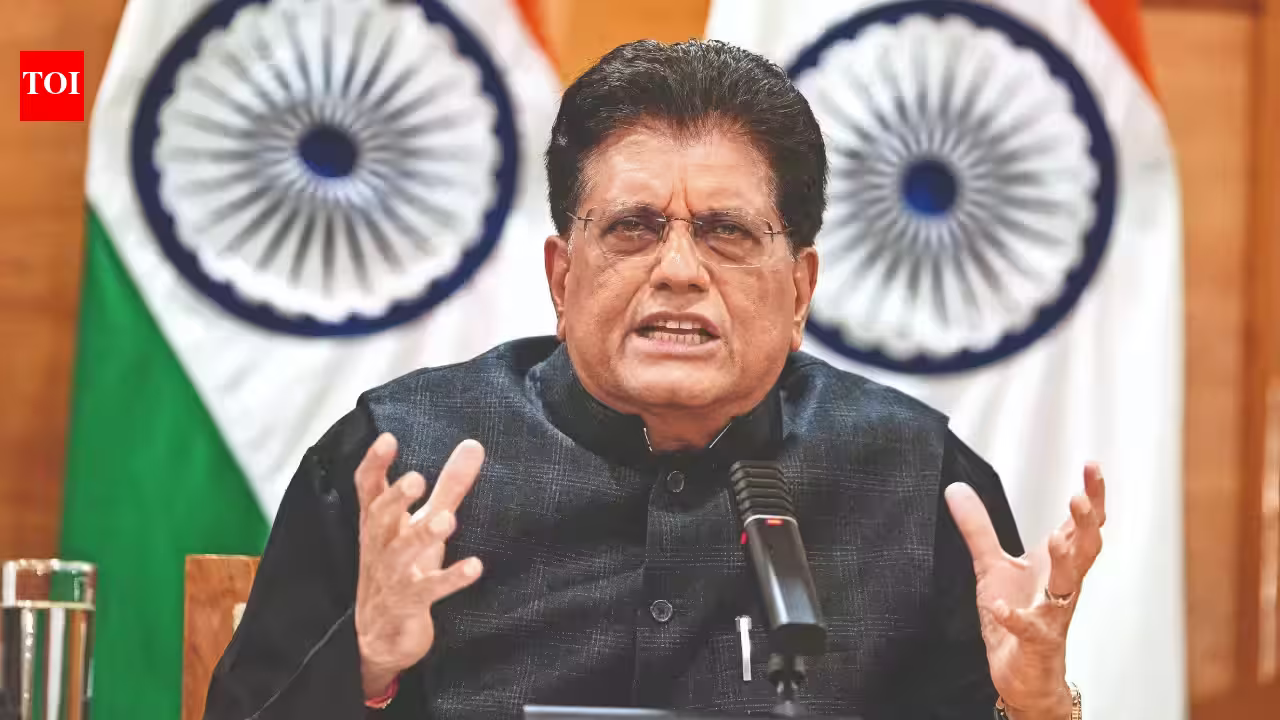
The bilateral relationship between India and China stands at a critical juncture, defined by a dual reality: deep-seated geopolitical friction and a high volume of interdependent trade. Recent remarks by Union Minister for Commerce and Industry, Piyush Goyal, at the Bloomberg New Economy event underscore the cautious, strategic approach New Delhi is adopting toward its northern neighbor. While the Minister acknowledged that India is actively working to normalize and rebuild ties, he framed the future of this engagement as an open-ended process, contingent upon fairness, continuity, and regional stability.
This diplomatic prudence is set against a backdrop of significant trade imbalances. Despite the ongoing political sensitivities, bilateral trade has demonstrated a trajectory of growth, reaching approximately $151.10 billion in the 2025-26 fiscal year. However, the nature of this commerce reveals a persistent and widening trade deficit for India. With Indian imports from China reaching $131.62 billion, the deficit has climbed to over $112 billion. This figure highlights the persistent reliance of Indian industries—ranging from electronics to pharmaceuticals and chemicals—on Chinese intermediate goods and raw materials. For policymakers, the challenge lies in decoupling national security interests from economic necessity, a task made difficult by China’s deeply integrated position in global and regional value chains.
The Strategic Imperative of Self-Reliance
The shift in India’s economic policy, catalyzed by the disruptions experienced during the Covid-19 pandemic, is anchored in the Atmanirbhar Bharat initiative. Minister Goyal’s recent comments provided a raw assessment of why this pivot toward self-reliance was essential. The pandemic acted as a wake-up call, exposing the vulnerabilities of relying on external supply chains for essential medical supplies and critical technology.
During the global health crisis, India faced significant hurdles in procuring life-saving equipment and vaccines from international sources. The Minister noted that even when India was prepared to ease regulatory conditions, certain Western pharmaceutical giants were reluctant to bring their products to the Indian market. This experience fostered a consensus within the Indian government that sovereign control over supply chains—especially for pharmaceuticals, energy, and defense—is not merely an economic preference but a national security imperative. By prioritizing domestic manufacturing, India aims to mitigate the risks associated with global supply chain shocks while building a robust industrial base that can withstand geopolitical pressures.
Redefining Global Partnerships and Supply Chain Diversification
In a globalized economy, isolation is not a viable strategy. Recognizing this, India is aggressively pursuing a policy of diversification. The goal is to move away from over-dependence on a single source of manufacturing—specifically China—by cultivating deeper, more resilient partnerships with trusted allies. This strategy involves balancing the pragmatic need for Chinese trade with the pursuit of strategic, high-value partnerships with nations such as the United States, Singapore, Japan, and members of the European Union.
The focus of these new partnerships has moved beyond basic trade toward collaboration in critical technologies. A clear example of this is the ongoing dialogue with Singapore regarding semiconductor manufacturing. As India positions itself as a global semiconductor hub, it requires not only capital but also the technical expertise and human capital that nations like Singapore can provide. By focusing on training and skilling, India intends to create a workforce capable of supporting high-tech manufacturing, thereby reducing its long-term reliance on imported, low-end components. This strategy aims to elevate India’s position in the global value chain, moving from a destination for assembly to a hub for innovation and specialized production.
Balancing Market Access and Strategic Investments
Investment flows form the second pillar of India’s economic balancing act. Since 2020, India has introduced stringent regulations on foreign direct investment (FDI) from countries sharing a land border, a policy measure primarily directed at curbing opportunistic takeovers of Indian companies by Chinese entities. This stance reflects a broader protective measure to ensure that domestic industries develop without being undermined by subsidized competition or predatory acquisition.
However, the government maintains a nuanced view on joint ventures. Minister Goyal highlighted that India remains open to global collaboration, provided the terms are balanced and beneficial to the Indian economy. The “fair deal” principle mentioned by the Minister implies that future economic cooperation must prioritize technology transfers, local manufacturing commitments, and the development of local skill sets. This approach is consistent with the global “China plus one” strategy, where multinational corporations seek to diversify their manufacturing footprints. India is positioning itself as a primary candidate for this relocation, provided it can offer the necessary regulatory transparency and infrastructure that global investors demand.
The Future Landscape of Engagement
The path forward for India-China relations remains fluid. The recent meeting between Prime Minister Narendra Modi and President Xi Jinping on the sidelines of the BRICS summit signals a potential thaw in diplomatic communications, yet the economic reality is unlikely to shift overnight. The bilateral relationship will continue to be governed by a “trust but verify” mindset. While trade will likely persist due to industrial necessity, the Indian government’s focus will remain on building indigenous capabilities to replace imports where possible.
Furthermore, India’s relationship with the United States continues to evolve into a cornerstone of its foreign and economic policy. As the Minister noted, the India-US partnership is substantive, spanning defense, technology, and energy, and is expected to remain stable regardless of electoral cycles in either nation. This relationship serves as a counterweight in the region and provides India with the technical and market access required to modernize its economy.
As India moves forward, the success of its industrial strategy will depend on its ability to execute domestic reforms while maintaining a agile diplomatic stance. The goal is to reach a stage where economic integration with the world is a source of strength rather than a point of vulnerability. For the Indian business community and international investors, the message is clear: India is committed to global trade, but it will no longer accept the vulnerabilities of the past as the price of doing business. The future of the Indian economy is being built on a foundation of calculated self-sufficiency and carefully curated global alliances.
Disclaimer: This content is auto-generated for informational purposes only.
Source: Read Original News