





England Grapples with Worsening Drought: Three-Quarters of the Nation Now Affected
LONDON, UK – [Date of Publication] – England is facing an intensifying drought crisis, with nearly three-quarters of the country now officially under drought status. Following an exceptionally dry July and a parched start to August, the National Drought Group has sounded the alarm, warning of severe impacts across agriculture, public water supplies, navigation, and the environment.
The latest regions to declare drought status today include the East Midlands, Lincolnshire & Northamptonshire, Kent & East Sussex, and Solent & the South Downs. This expansion brings the total area experiencing a “flash drought” – a rapidly developing dry period caused by minimal rainfall and high temperatures – to a staggering 71.3% of England. This means over 45 million people now reside in a drought-affected area, with more than 27 million already subject to water use restrictions.
Adding to the concern, the North East and Yorkshire have now moved into a state of “prolonged dry weather,” the stage immediately preceding drought. Critically, no region in England is currently considered to be in normal water status.
The drastic shift in conditions follows the driest July in 190 years, with current August rainfall at a mere 5% of the expected average. Further exacerbating the situation are warnings of continued dry weather and another impending heatwave, with temperatures predicted to climb into the mid-30s in some areas.
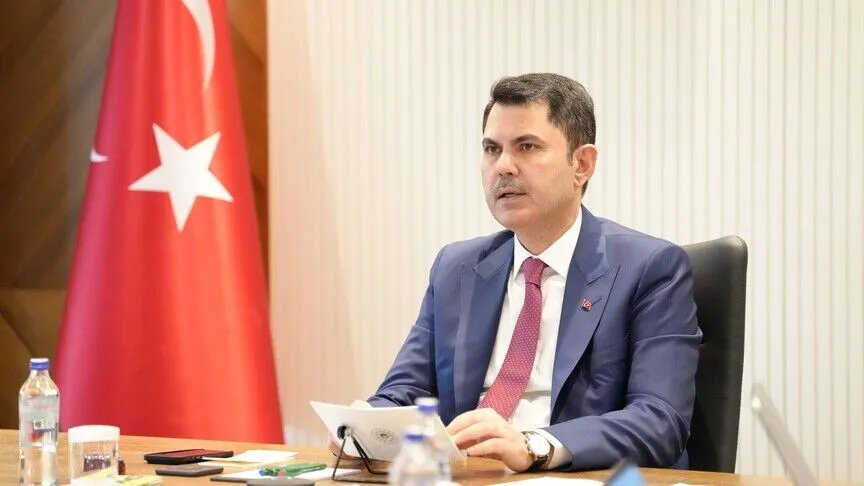
Tony Grayling, Strategic Drought Lead at the Environment Agency and Chair of the National Drought Group, emphasized the severity:
Drought conditions are worsening and will continue to do so until we see significant and sustained rainfall. We know the hot and dry weather is taking a real toll on farming and there will be long-lasting impacts on our environment. We want everyone to stay safe and hydrated over the summer, but we need everyone’s help in using a little less water to make sure our current water reserves last. Every drop we can save is a drop more for your local farmers, local wildlife and local rivers.
Water Minister Emma Hardy has directed water companies to intensify efforts in reducing leaks, which tend to increase as dry soils cause pipes to shift. The importance of individual action was also highlighted, with small changes like turning off taps while brushing teeth or promptly fixing a leaking toilet capable of collectively conserving vital supplies.
Widespread Impacts and Government Response
The current situation has led to heightened incident response, increased monitoring, intensified leakage reduction, and enhanced cross-sector and public communication from National Drought Group members. The Government is actively exploring additional support for the farming sector.
Water Minister Emma Hardy, speaking at the National Drought Group meeting, stated:
We know how challenging this summer has been, especially for our hard-working farmers who are at the sharp end of climate change and an increasing number of floods and droughts. We are stepping up our support including working to make it easier for farmers to build more on-site irrigation reservoirs. We are also delivering long-term change in the water industry to reduce leaks and deliver nine new reservoirs and water transfer schemes to secure supplies. As we move through this period of drought, I expect water companies to take every available step to minimise leakage and support customers in using water wisely. I also want to thank people for following the restrictions, where in place, as they are an important tool to safeguard essential water supplies and protect the environment.
Rivers, reservoirs, and groundwater levels continue to decline, while rising water temperatures necessitate more fish rescues and elevate the risk of wildfires. This marks the third drought in England in the past five years (2022, 2025, and 2026), underscoring the accelerating impact of climate change.
The crisis is not isolated to England; mainland Europe is also battling severe heatwaves and dry conditions, with critically low water levels on the Rhine and Danube disrupting energy generation and transport.
Key statistics illustrating the severity include:
- Rainfall in July ranged from a mere 1% of the expected average in the South East to 26% in the North West. Some areas have not seen rain for 59 days.
- 245 wildfires have been reported on Sites of Special Scientific Interest (SSSI) this year.
- Only 14% of river flows are at normal levels; 22% are exceptionally low.
- Reservoir levels have plummeted to 69% capacity, an 11.6% deficit for this time of year, with July seeing the greatest reduction in raw storage in over 30 years.
- Farmers are reporting their earliest harvests in two decades with reduced yields, and livestock farmers are prematurely utilizing winter forage stocks due to poor grass growth.
- 1,534 irrigation restrictions are now in place for farmers in East Anglia, with 302 abstractors facing 50% reductions.
- 134 drought-related incidents have been recorded by the Environment Agency this year, approaching levels seen in previous drought years.
- 26 navigation closures and 19 restrictions are in effect across the Canal & River Trust’s network.
- Eight water companies have implemented Temporary Use Bans (TUBs), affecting over 27 million customers.
Paul Tompkins, NFU Deputy President, called for a risk register for vulnerable businesses and a more responsive abstraction licensing system, stressing that water for food should be treated as a strategic priority for national food security. Mark Owen, Head of Fisheries at the Angling Trust, highlighted the severe stress on aquatic life due to warmer, lower oxygen waters, urging immediate reporting of distressed fish to the Environment Agency hotline.
Future Outlook and Call to Action
Sarah Davies, Head of Environment and Energy at the Met Office, confirmed July 2026 as “one of the most remarkable months in the UK’s climate record,” with England and Wales recording their driest and sunniest July ever. Forecasts for the remainder of August and September suggest continued dry weather, with no strong signal for widespread, sustained rainfall.
Temporary Use Bans have proven effective, reducing public demand by up to 9% in some areas. Nicci Russell, CEO of Waterwise, urged collective responsibility:
The experts are telling us that these extraordinary climate emergency impacts we’re seeing in real time, right in front of our eyes, are not random one-off events. It’s entirely reasonable that at this time, we only use water for essential purposes. None of us can live without water – and society, the economy and the environment can’t function without it. We all have a role to play in making sure there’s enough water to go round – and there are lots of simple things we can all do at home and at work to help close the gap between the water we need, and the water we have. Turn that hosepipe off! Step away from the sprinkler! Let your lawn go golden and your car go dirty. Knock a minute off your shower time – imagine if everyone in England and Wales did that, saving 15 litres of water every time, and you can see how small actions by each of us make a real difference. We all need to save water – of course there is work to do for the water companies and governments, and big business, but we all need to step up.
Long-term solutions are also in motion, with water companies investing in ten new reservoirs by 2050 and exploring desalination and recycling schemes. The Environment Agency is also advocating for easier construction of on-farm irrigation reservoirs and increased focus on nature-based solutions like wetland restoration.
As England navigates this escalating crisis, both individual conservation efforts and strategic governmental and industry-wide initiatives will be crucial to safeguarding future water supplies and mitigating the profound impacts of a changing climate.