






Kent Declared Drought Zone as Historic Dry Spell Grips Region
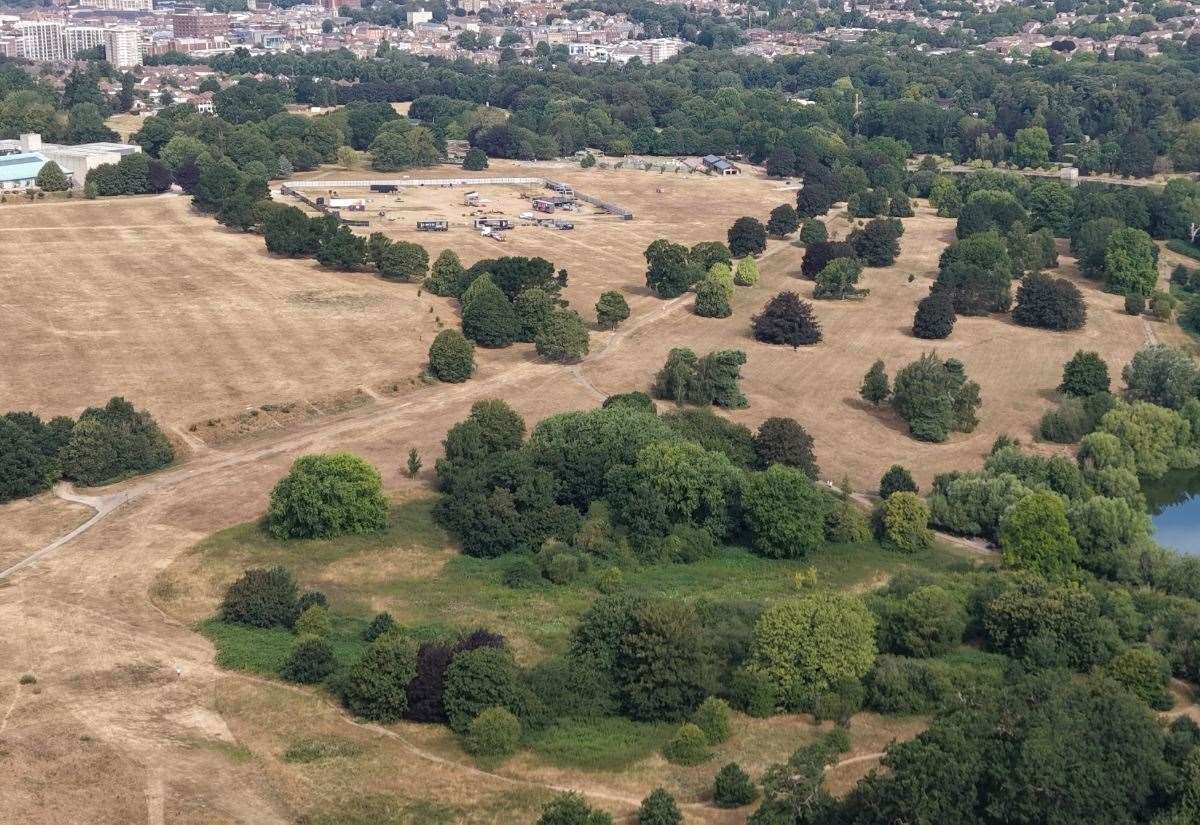
Kent has officially been declared a drought-stricken area following an unprecedentedly dry July, marking the lowest rainfall levels since records began. The Environment Agency (EA) confirmed the status today after a crucial meeting of the National Drought Group, raising serious concerns about water resources and environmental impacts across the county.


The county received a mere 1% of its long-term average rainfall in July, leading to exceptionally low flows in several river catchments. This severe deficit has also triggered an increase in algal blooms and a surge in other heat-related incidents, indicating the profound strain on Kent’s natural ecosystems.
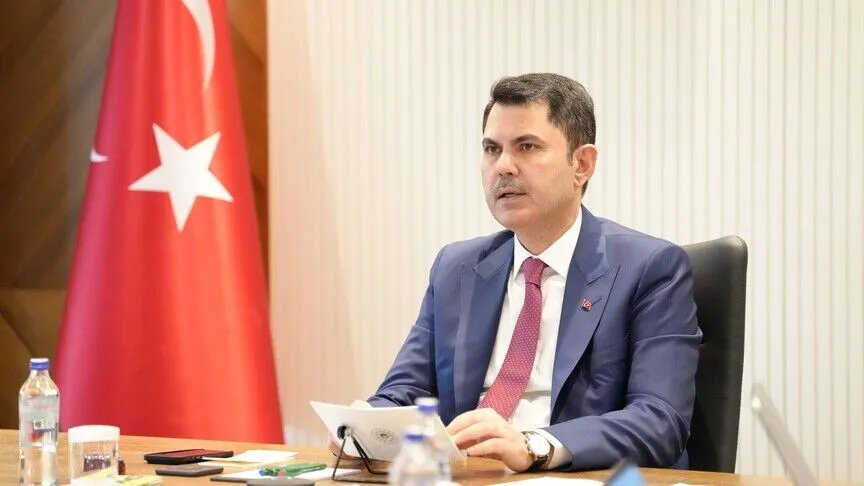
Tony Grayling, Strategic Drought Lead at the Environment Agency and Chair of the National Drought Group, underscored the gravity of the situation. “Drought conditions are worsening and will continue to do so until we see significant and sustained rainfall,” Grayling stated. “We know the hot and dry weather is taking a real toll on farming and there will be long-lasting impacts on our environment.”
He urged collective responsibility in conserving water. “We want everyone to stay safe and hydrated over the summer, but we need everyone’s help in using a little less water to make sure our current water reserves last. Every drop we can save is a drop more for your local farmers, local wildlife and local rivers.”

In response to the escalating crisis, Water Minister Emma Hardy MP announced additional support for farmers, including provisions to facilitate the construction of more on-site irrigation reservoirs. Addressing the broader, long-term challenges, Hardy highlighted initiatives aimed at reducing leaks and the development of nine new reservoirs and water transfer schemes nationwide to bolster water security for future summers.
“We know how challenging this summer has been, especially for our hard-working farmers who are at the sharp end of climate change and an increasing number of floods and droughts,” she acknowledged, empathising with the agricultural sector’s plight.
The drought declaration impacts a vast population, with 73.1% of England now under drought status. This includes regions such as the East Midlands, Lincolnshire, Northamptonshire, East Sussex, the Solent, and the South Downs. In Kent, all South East Water and Thames Water customers are already adhering to a hosepipe ban, a clear indicator of the severe water scarcity. Across England, a staggering 45 million people reside in drought-affected areas, with over 27 million facing water use restrictions.


The current situation is dire, with no part of the country classified as having “normal” water status. Even the North East and Yorkshire have been elevated to “prolonged dry weather,” the immediate precursor to drought. This widespread drought follows England’s driest July in 190 years, with only 5% of expected rainfall recorded across the country this month to date.
Compounding these concerns, Kent is bracing for another wave of scorching temperatures, with forecasts predicting highs of 32C on Wednesday. The effects of the drought are tangible and widespread, manifesting as rapidly falling reservoir levels, an accelerated harvest season for farmers, significant damage to wildlife habitats, and dramatically declining river flows. The River Mole, which traverses Sussex and Surrey, has seen sections dry up entirely, according to the EA.
The prolonged dry spell has also fueled a surge in wildfires, with Kent experiencing several significant blazes. The EA reports an alarming 245 wildfires on Sites of Special Scientific Interest (SSSI) this year alone.
In response, the National Drought Group is intensifying its efforts to encourage water conservation among the public. Concurrently, the EA is undertaking critical measures such as fish rescues, strategic releases of water from reservoirs, and increased compliance checks on businesses to manage the crisis effectively. The message is clear: every individual action to conserve water is vital in navigating this unprecedented environmental challenge.